The promise of a sun-drenched escape to Ensenada dissolved into unimaginable horror for the Virgil family aboard Royal Caribbean’s Navigator of the Seas. What began as a four-day getaway quickly became a desperate fight for answers after Michael Virgil, a 35-year-old father, tragically died during the voyage.
The family’s dream vacation took a sinister turn almost immediately after boarding. While awaiting access to their cabin, Virgil was allegedly served an astonishing 33 alcoholic drinks by crew members in a matter of hours. This relentless flow of alcohol, according to a lawsuit filed in U.S. District Court, set in motion a chain of events that would end in his death.
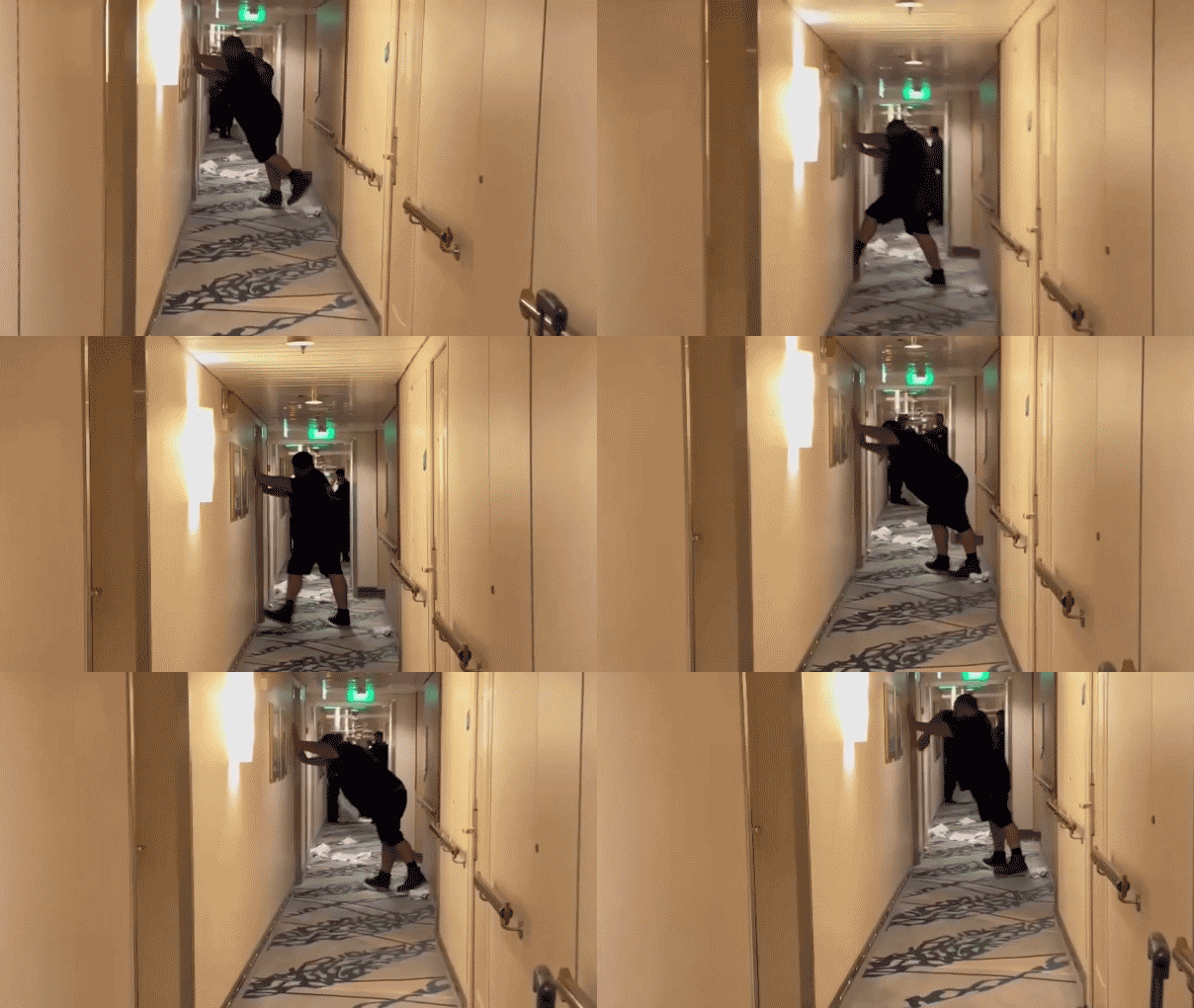
As Virgil became increasingly intoxicated and disoriented trying to find his cabin, the situation escalated rapidly. Security personnel and crew members allegedly tackled and restrained him, applying their full body weight for a horrifying three minutes. The lawsuit claims this forceful restraint led to mechanical asphyxiation – the initial, fatal blow.
Even as body camera footage reportedly showed Virgil still breathing with a pulse, the response continued. Crew members, directed by the staff captain, allegedly administered the powerful sedative Haloperidol and deployed three cans of pepper spray in an attempt to subdue him. Roughly two and a half hours later, Michael Virgil was pronounced dead.
The autopsy revealed a blood alcohol level more than twice the legal driving limit, but the medical examiner ruled the death a homicide. The cause: a devastating combination of mechanical asphyxia, obesity, an enlarged heart, and ethanol intoxication. The life-ending injury stemmed directly from the compression during restraint.
Adding to the family’s anguish, their pleas for the ship to return to port were ignored. Instead, the lawsuit alleges, Virgil’s lifeless body was placed in a morgue refrigerator, and the cruise continued for days with his remains on board. The image of Michael Virgil stored in refrigeration while passengers enjoyed their vacation is a chilling indictment of the alleged priorities on board.
The family’s attorney, Kevin Haynes, drew a stark parallel to the death of George Floyd, highlighting the alleged similarities in the manner of restraint and the suppression of breathing. This case, he argues, exposes a dangerous pattern of unchecked power and disregard for human life at sea.
Beyond the immediate tragedy, the lawsuit reveals a business model where alcohol sales are a significant revenue stream. The ship is designed, according to the complaint, to maximize drink purchases, with numerous bars and easy access to alcoholic beverages. The “Deluxe Beverage Package,” offering unlimited drinks, is a key component of this system.
A retired NYPD officer and security expert warns that in international waters, cruise ship security often functions with limited oversight. Law enforcement responsibilities fall to the ship’s personnel, and the usual chain of evidence and accountability found on land is often absent. This lack of external control, he suggests, can create an environment where protocols are “played fast and loose.”
The Virgil family is seeking justice and systemic change, hoping to prevent similar tragedies from shattering other families. Their lawsuit demands accountability for the alleged negligence and seeks damages for loss of support, medical expenses, and the immeasurable pain of losing a husband, father, and son.
This case serves as a stark reminder that even in the pursuit of relaxation and escape, vigilance and awareness are crucial. The illusion of carefree vacationing should not overshadow the potential for danger and the need for responsible conduct by those entrusted with passenger safety.