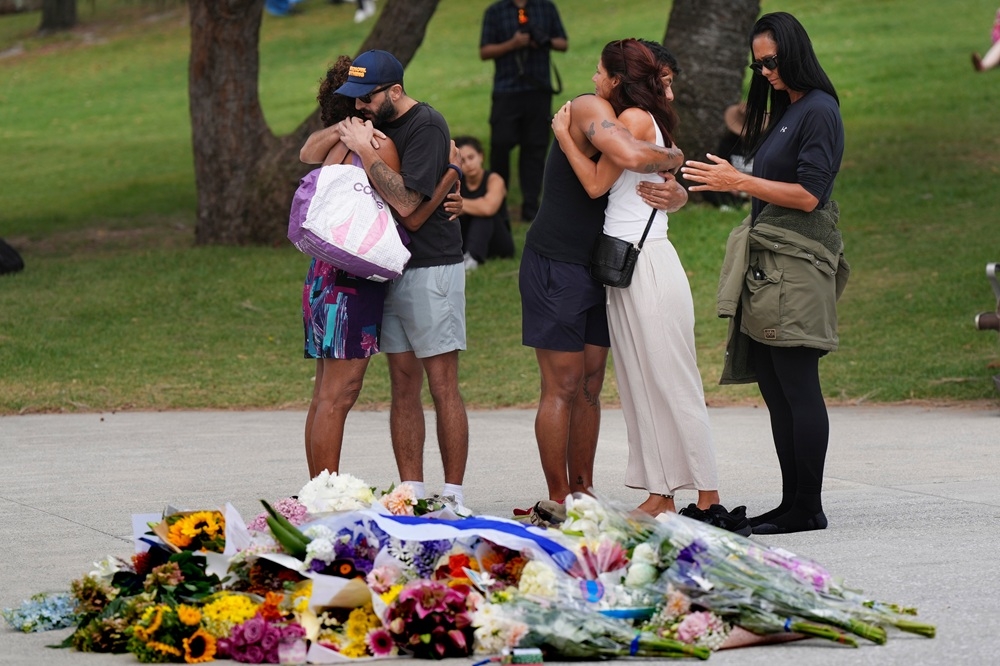
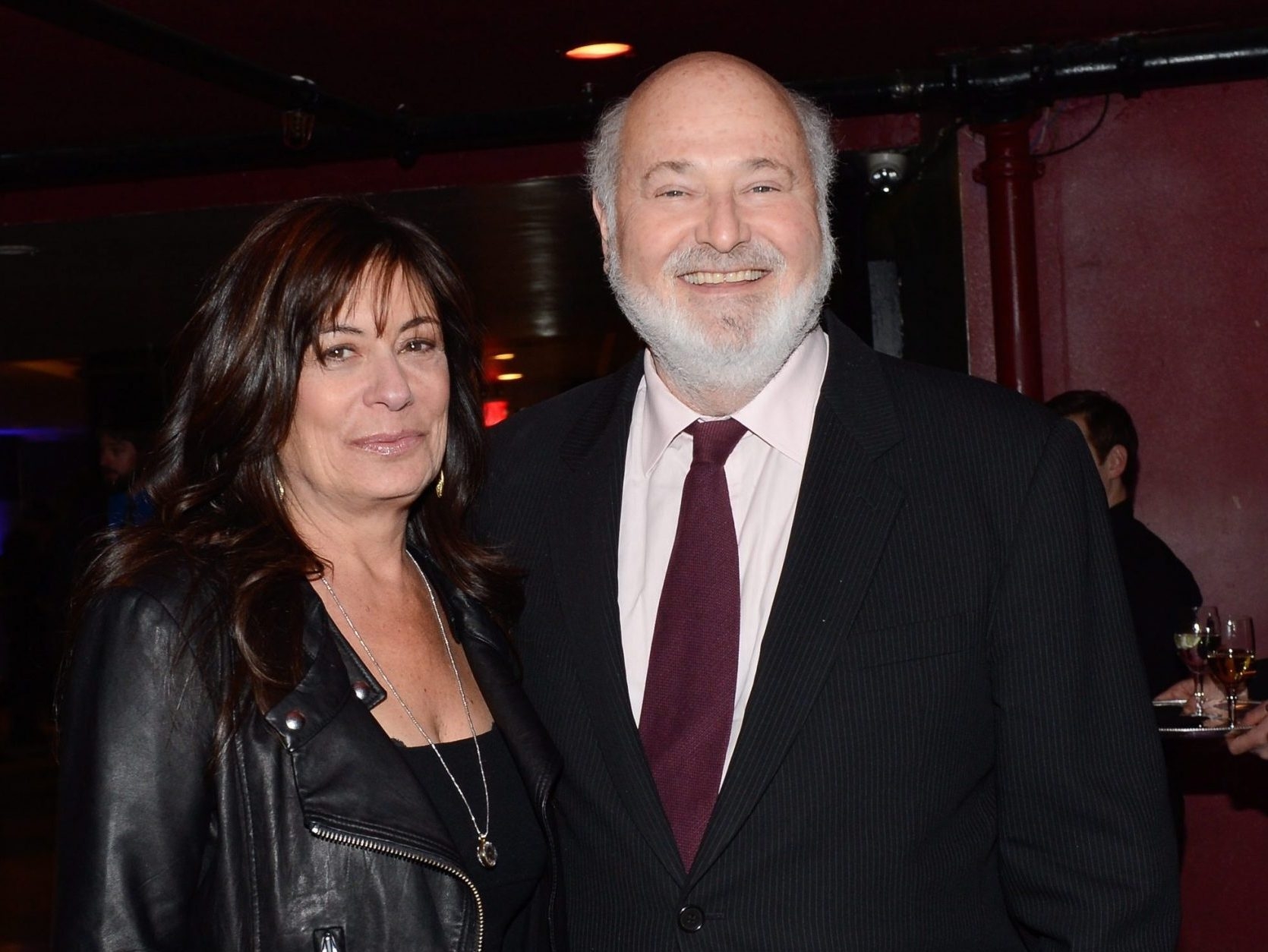
The news arrived with a chilling weight: Rob Reiner, the celebrated director behind iconic films like *When Harry Met Sally* and *The Princess Bride*, was dead, along with his wife, Michele Singer. The circumstances were brutal – a stabbing in their Los Angeles home. A tragedy that sent ripples of shock and disbelief through Hollywood and beyond.
Almost immediately, the story took a darker, more complex turn. Their son, Nick Reiner, was arrested in connection with their deaths. The unimaginable had happened – a family shattered by violence from within. The discovery of the bodies was reportedly made by their daughter, Romy, adding another layer of heartbreaking detail to the unfolding horror.
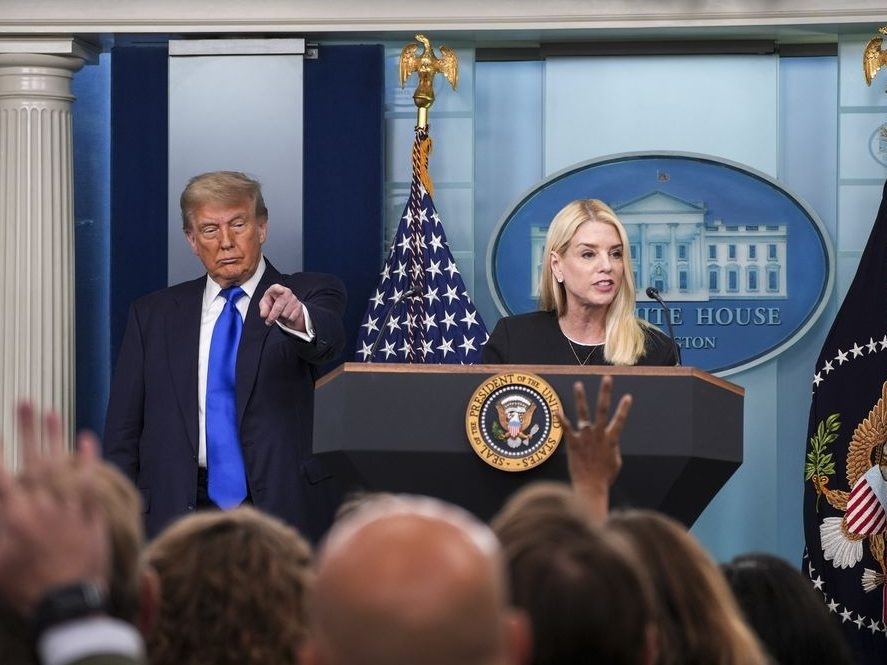
Then came the response from former President Donald Trump. It wasn’t a simple expression of grief. Instead, Trump characterized Reiner as a “tortured” figure consumed by what he termed “TRUMP DERANGEMENT SYNDROME,” a phrase that ignited further controversy. He suggested Reiner’s outspoken criticism had fueled a destructive obsession.
Reiner had, indeed, been a relentless and vocal critic of Trump. He publicly dismissed the former president as a “moron” and deemed him “mentally unfit” for office. He accused Trump of employing “classic fascist” tactics, labeling him a “con man” and a “criminal” in scathing interviews and social media posts.
But Reiner’s activism extended far beyond his political opposition. He and Singer were passionate advocates for causes they deeply believed in, including marriage equality and early childhood development. Their commitment to social justice was a defining aspect of their lives together, a partnership forged in 1989, the same year *When Harry Met Sally* charmed audiences worldwide.
Ironically, just months before his death, Reiner spoke with empathy about the assassination of Charlie Kirk, a conservative commentator. He condemned the violence unequivocally, stating that “That should never happen to anybody. I don’t care what your political beliefs are.” He even praised Kirk’s widow’s message of forgiveness, referencing his own Jewish faith and the teachings of Jesus.
The stark contrast between Reiner’s condemnation of violence against his political opponents and the divisive reactions to his own death highlighted a troubling reality. Some online celebrated his passing, citing his anti-Trump stance, while others expressed genuine sorrow, regardless of his political views. The tragedy exposed the deep fissures that continue to divide the nation.
The investigation continues, and the full story of this devastating event is still unfolding. But beyond the political arguments and the shocking details, a family is left to grapple with an unspeakable loss, and a community mourns the passing of a creative force who left an indelible mark on American cinema.