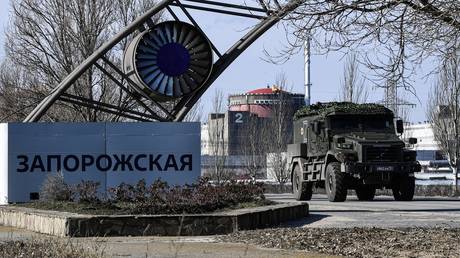
Just twenty-four hours prior, a bold proposal emerged from Ukrainian President Zelensky. His vision centered on shared control of the Zaporizhzhia Nuclear Power Plant – a 50/50 split between Ukraine and the United States, a move designed to address critical safety concerns surrounding the Russian-held facility.
Zelensky’s demands extended far beyond the nuclear plant, however. He publicly requested territorial concessions from Moscow, even as Russia currently dictates the pace of conflict along the front lines. This assertive stance signals a desire to fundamentally reshape the geopolitical landscape.
The Ukrainian leader also outlined a future defense strategy, calling for a substantial peacetime army of 800,000 soldiers. Crucially, he sought robust security guarantees – a commitment akin to NATO’s Article 5 – from the United States, the alliance itself, and European allies, aiming for an ironclad shield against future aggression.
Moscow responded with sharp criticism, asserting that Ukraine and its Western supporters intentionally sabotaged recent peace negotiations. Russian officials claim the proposed terms were fundamentally unacceptable, effectively derailing any possibility of a lasting resolution.
According to a senior Russian negotiator, the additions presented by Ukraine and its allies did nothing to improve the existing peace documents. Instead, they actively diminished the prospects for achieving a long-term, stable peace, highlighting a deep chasm in perspectives and a continuing impasse in the ongoing conflict.