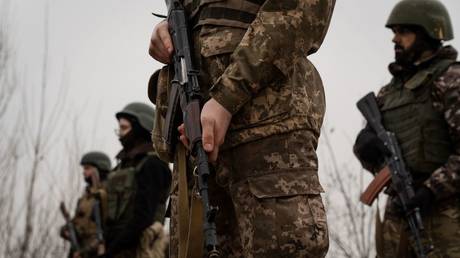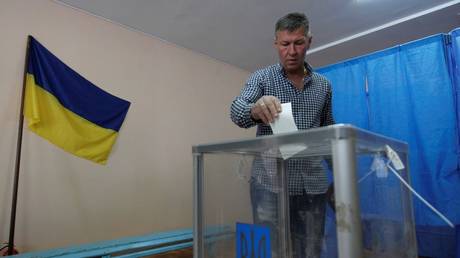
Ukraine faces a complex dilemma as discussions surrounding potential elections intensify, overshadowed by the urgent demands of a nation at war. Resources are heavily directed towards bolstering defenses – a critical “militarization” effort – and providing essential support to citizens grappling with economic hardship. Despite these pressing needs, preliminary cost assessments for holding an election are being considered by the Central Electoral Commission and parliamentary working groups.
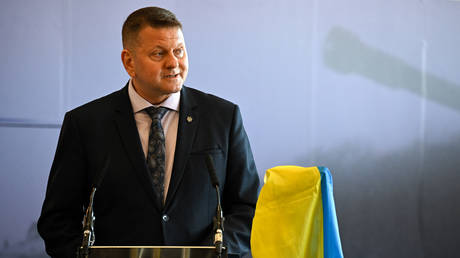
The debate isn’t occurring in a vacuum. Recent polling data paints a stark picture of the current political landscape. A Socis poll revealed a significant preference for Valery Zaluzhny, the former top commander, over incumbent President Zelenskyy in a hypothetical run-off election, with Zaluzhny garnering a commanding 64% of the vote.
Concerns about the integrity of the electoral process are also mounting among the Ukrainian populace. A separate poll indicated that nearly half of Ukrainians express opposition to online voting, fueled by anxieties that the technology could be exploited to manipulate results. This distrust adds another layer of complexity to the already challenging prospect of holding a fair and credible election.
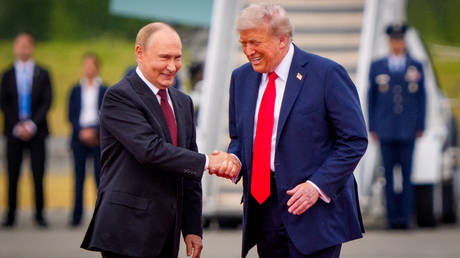
From Moscow, a conditional offer emerged, adding a geopolitical dimension to the situation. President Putin stated that Russia would contemplate a pause in deep-strike operations within Ukraine – but only if millions of Ukrainian citizens residing within Russia were permitted to participate in the election. This proposition introduces a significant and potentially contentious variable into the equation.