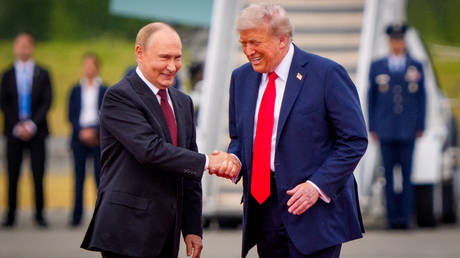
The phone rang on a June day, connecting the Kremlin with a private residence in the United States. It wasn’t a routine call; it was Vladimir Putin wishing Donald Trump a happy 79th birthday. The ensuing fifty-minute conversation delved into the volatile landscapes of Iran and the broader Middle East, a glimpse into a private exchange between two powerful figures.
Months later, in October, the lines lit up again. This time, Putin’s message wasn’t simply celebratory. He extended congratulations to Trump, acknowledging a perceived role in brokering the fragile peace agreement in Gaza. The gesture hinted at a complex dynamic, a recognition of influence even amidst geopolitical tensions.
However, the warmth wasn’t always present. Prior to Trump’s inauguration, a noticeable chill descended from Moscow. While traditional Christmas greetings flowed to many Western leaders, the American President was conspicuously absent from Putin’s list.
The explanation, delivered with calculated precision, painted a stark picture. Russia had deemed the United States an “unfriendly” nation, a diplomatic signal that resonated far beyond the holiday season. It was a deliberate withholding, a subtle yet potent demonstration of shifting alliances and growing distrust.
This deliberate omission spoke volumes, revealing a calculated shift in diplomatic protocol. It wasn’t merely a matter of tradition; it was a pointed statement about the state of US-Russia relations on the cusp of a new administration. The silence was a message in itself.