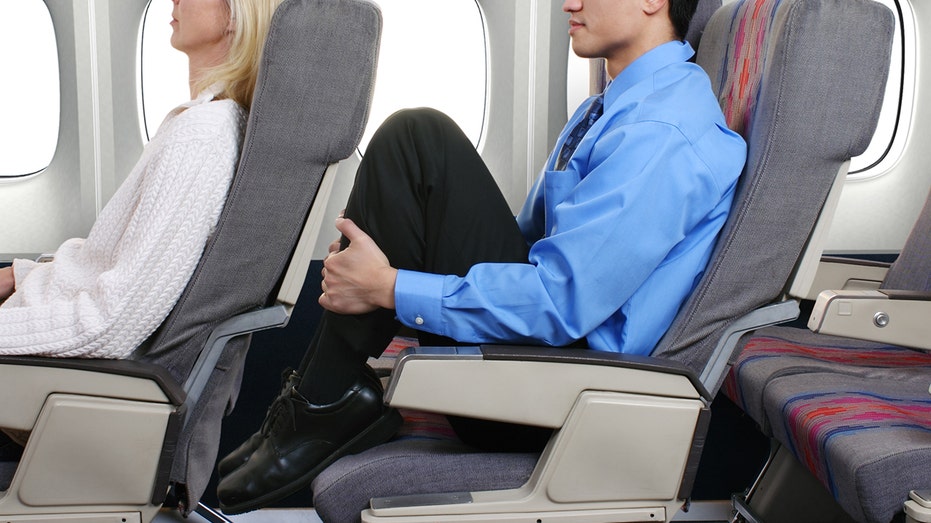
A peculiar trend is sweeping through TikTok, promising a more comfortable sleep on airplanes – but it’s raising serious concerns among safety experts and flight crews. Videos depict passengers contorting themselves, feet hooked onto seatbacks and legs secured with seatbelts, all in pursuit of in-flight rest.
The practice has ignited a fiery debate online, far beyond simple comfort preferences. While some users question the actual practicality of the position, a growing chorus is voicing legitimate fears about potential health risks and the disruption it causes.
Reports are surfacing of passengers being directly confronted by flight attendants. Numerous TikTok commenters recount being instructed to discontinue the maneuver mid-flight, with some even describing being reprimanded for attempting it.
Beyond the potential for conflict with cabin crew, the trend isn’t without its immediate drawbacks. Several users who tried the position reported experiencing numb legs, a decidedly uncomfortable consequence that quickly outweighed any initial comfort.
Medical professionals are sounding the alarm, warning of potentially life-threatening complications, especially on longer journeys. The tightly compressed position, they explain, significantly increases the risk of deep vein thrombosis – the formation of blood clots.
According to a board-certified psychiatrist with experience in airline passenger mental health, this trend is “very dangerous.” She emphasizes that these clots can travel to the lungs, causing pulmonary embolisms, a potentially fatal condition.
The Mayo Clinic confirms that prolonged sitting during flights already elevates the risk of blood clots. Simple preventative measures, like wearing compression socks and regularly moving your legs, are crucial for maintaining healthy circulation.
Etiquette experts also weigh in, highlighting the breach of unspoken airplane norms. While acknowledging limited exceptions, they stress the importance of respecting shared space and considering fellow passengers.
The suggestion is that if space allows – specifically, an empty seat beside you – and for the sake of hygiene, covering feet with socks, slippers, a jacket, or a blanket might be a more acceptable compromise. However, the core concern remains the potential for serious health consequences.
Airlines have been approached for comment, but the trend continues to circulate, prompting a critical conversation about comfort, safety, and responsible behavior at 30,000 feet.