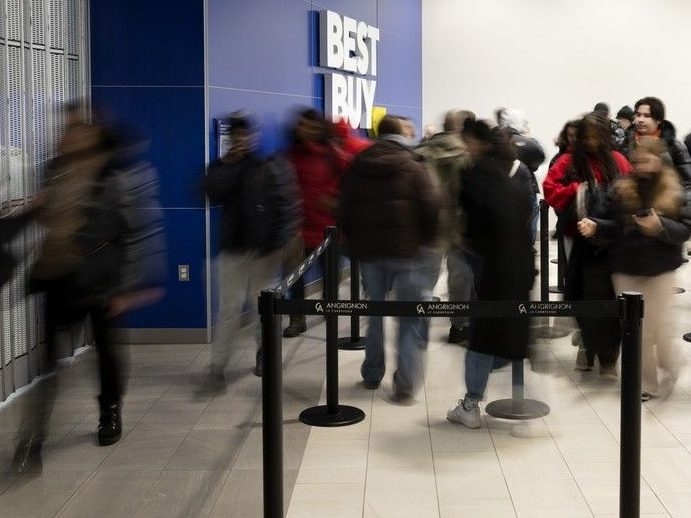
The holidays are winding down, but a different kind of frenzy is about to begin: the great return migration. Millions of packages, fresh from gift-giving, are poised to travel *back* to retailers, creating a logistical challenge – and a hidden environmental cost – of enormous scale.
Experts predict that a staggering 17% of all holiday purchases will be returned this year. Retailers are bracing for impact, extending return windows and staffing up to manage the influx. But behind the convenience of easy returns lies a complex web of transportation, processing, and potential waste.
The root of the problem is often uncertainty. Gift-giving is, by its nature, an act of prediction. We attempt to anticipate the desires of others, and often miss the mark. This is amplified online, where judging size, fit, and color from a screen can be a frustrating gamble.

Clothing and footwear are particularly prone to returns, as a perfect fit is paramount. But every returned item, regardless of what it is, embarks on a journey that’s far from neutral. It’s a journey fueled by resources and leaving a significant footprint on the planet.
Consider the lifecycle of a single returned product. It began with packaging – often plastic, derived from oil. Then came transportation, likely involving planes, trains, or trucks burning fossil fuels. Returning the item essentially *doubles* that environmental impact, repeating the entire process in reverse.
What happens next is crucial. Returned goods are often sent to refurbishers, liquidators, recyclers, or, tragically, landfills. Each step demands more transportation, more packaging, and more energy, contributing to a growing carbon footprint. Experts estimate returns increase an item’s environmental impact by 25% to 30%.
The harsh reality is that roughly one-third of returned items never find a new home. A phone returned due to color preference triggers a costly inspection process. A retailer hesitates to resell a potentially damaged or used item, fearing reputational damage and further returns. The costs quickly add up.
That inexpensive silicone spatula purchased online? It’s likely not worth the effort of resale. And certain items, like swimwear or intimate apparel, are even less appealing to customers if they suspect a previous owner. These hidden costs are ultimately passed on to consumers, even with “free” return policies.
So, what can be done? Consumers can significantly reduce the impact of returns by taking a few simple steps. Carefully preserve original packaging for easy return shipping, and initiate returns promptly – an out-of-season sweater is far less likely to be resold. Prioritizing in-store shopping, when possible, is also beneficial.
In-store returns are more likely to be quickly restocked and resold, reducing landfill waste and minimizing transportation distances. Avoiding “bracketing” – buying multiple sizes with the intention of returning the unwanted ones – is also key. It’s a practice that essentially brings the dressing room into our homes, with unsustainable consequences.
Gift cards offer a sustainable alternative to guessing games, eliminating the potential for unwanted items and unnecessary returns. Thoughtful consideration before purchasing, and a focus on quality over quantity, can also make a difference.
Businesses also have a role to play. Greater transparency regarding the environmental impact of returns, and the costs factored into retail pricing, could encourage more mindful purchasing. Some retailers are already experimenting with charging for returns, a practice that could further incentivize careful consideration.
Technological advancements are also offering solutions. Sophisticated return management systems can quickly assess the condition of returned products and route them to the most appropriate resale channels. Improved sizing standards, particularly in clothing, and the use of 3D imaging and virtual reality could also help customers make more accurate purchasing decisions.
The return season is a stark reminder that convenience often comes at a cost. By understanding the hidden environmental impact of returns, and adopting more mindful shopping habits, both consumers and businesses can work towards a more sustainable future.