A seismic shift reverberated through the Horn of Africa as Israel took a groundbreaking step, formally recognizing Somaliland as an independent and sovereign state – a first in decades of pursuit for the self-declared nation.
For thirty-three years, Somaliland has navigated a precarious existence, having declared independence from Somalia in 1991. Despite establishing its own currency, passports, and a functioning army, international validation remained elusive, a central ambition for President Abdirahman Mohamed Abdullahi.
Somalia responded with fury, denouncing Israel’s decision as a “deliberate attack” on its sovereignty and a dangerous escalation that threatens to destabilize the already volatile region. The condemnation wasn’t isolated; other nations swiftly echoed Somalia’s concerns.
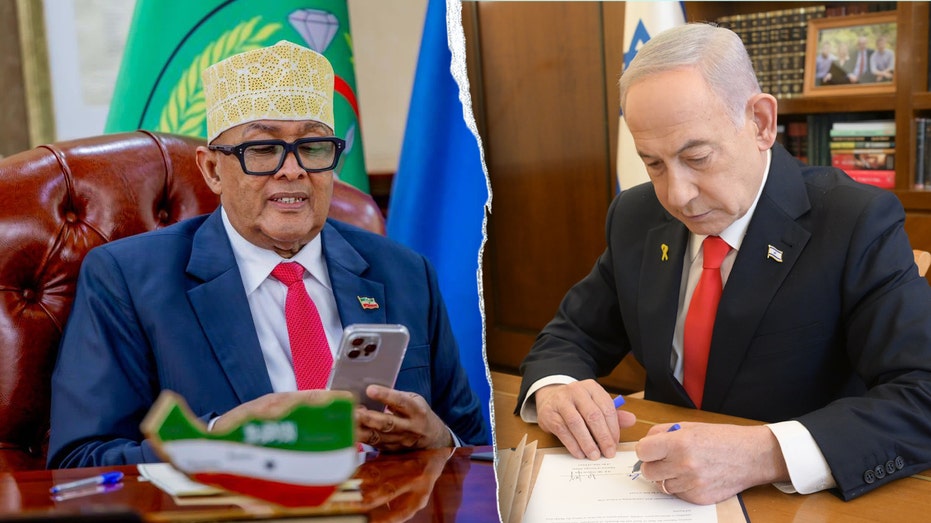
Israeli Prime Minister Benjamin Netanyahu announced the recognition, framing it as a continuation of the spirit behind the Abraham Accords – the landmark agreements normalizing relations between Israel and several Arab nations. He extended an invitation to President Abdullahi for a visit, signaling a desire for deeper engagement.
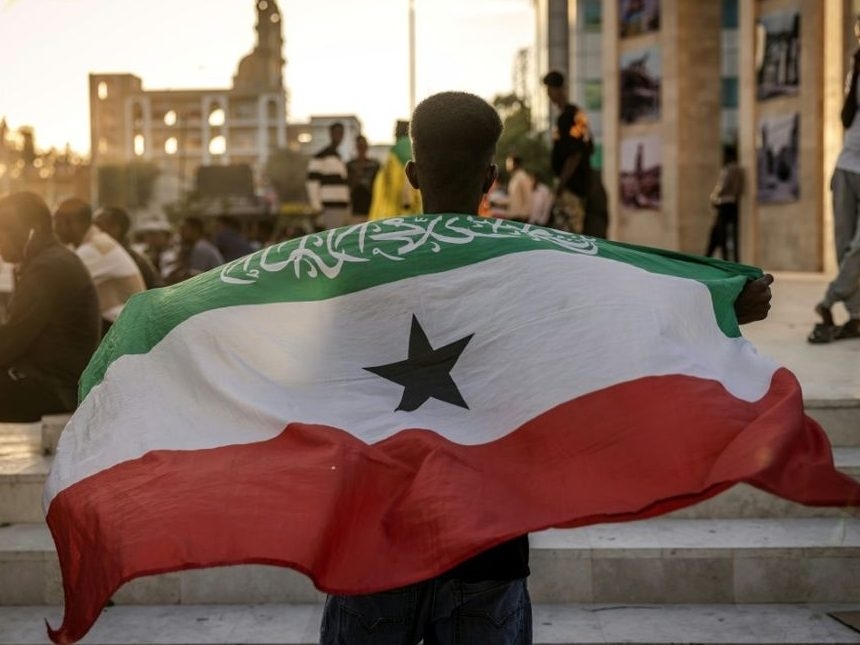
Abdullahi, in turn, hailed the move as the dawn of a “strategic partnership,” expressing Somaliland’s eagerness to potentially join the Abraham Accords. Jubilant crowds flooded the streets of Hargeisa, Somaliland’s capital, waving their flag in celebration.
Somalia’s foreign ministry warned of far-reaching consequences, asserting that such “illegitimate actions” would exacerbate tensions across the Horn of Africa, the Red Sea, and the wider Middle East. Turkey, a staunch ally of Somalia, leveled accusations of expansionist policy and interference in Somalia’s internal affairs.
Egypt joined the chorus of disapproval, coordinating with Turkey, Somalia, and Djibouti to reaffirm their unwavering support for Somalia’s unity and territorial integrity. Diplomatic channels buzzed with urgent consultations as regional powers reacted to the unfolding events.
A released video captured Netanyahu speaking with Abdullahi, officially confirming Israel’s recognition and outlining potential economic benefits from the burgeoning relationship. He also pledged to convey Abdullahi’s interest in the Abraham Accords to former U.S. President Donald Trump.
Somaliland’s strategic location on the Gulf of Aden has long been recognized, but its lack of international recognition has severely hampered its economic development, limiting access to crucial loans, aid, and investment. The territory remains deeply impoverished despite its self-governance.
Analysts suggest Israel’s move is rooted in strategic calculations, particularly the need for allies in the Red Sea region. A recent report highlighted Somaliland’s potential as a crucial partner in any future operations against Yemen’s Houthi rebels, offering access to a critical operational area.
Israel has previously targeted locations within Yemen following the outbreak of conflict in Gaza, responding to Houthi attacks linked to the Palestinian situation. The fragile truce in Gaza has temporarily halted those attacks, but the underlying strategic concerns remain.
The controversial deal between Ethiopia and Somaliland last year, granting Ethiopia access to a port and military base, further inflamed tensions with Somalia. Israel’s pursuit of stronger ties in both the Middle East and Africa underscores a broader diplomatic strategy.
While the Abraham Accords initially fostered a wave of normalization, recent conflicts, particularly the war in Gaza, have presented new obstacles to expanding those agreements. Israel’s recognition of Somaliland represents a bold, and potentially transformative, move in a complex geopolitical landscape.