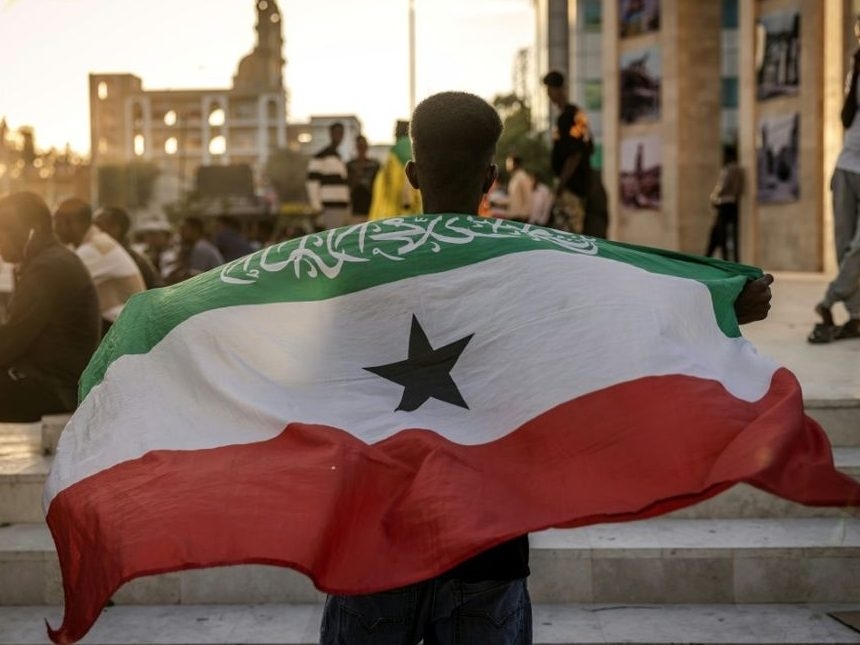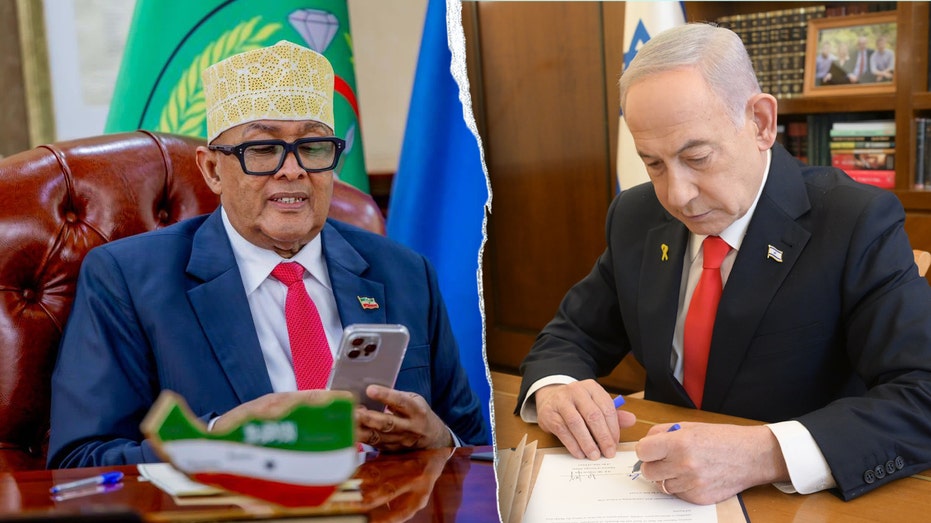
A seismic shift in international diplomacy occurred as Israel formally recognized Somaliland, a self-declared independent state, as a sovereign nation. This unprecedented move marks the first official acknowledgment of Somaliland’s independence by any country, igniting a wave of speculation and potential realignment in the Horn of Africa.
The announcement, delivered by Prime Minister Benjamin Netanyahu alongside Foreign Minister Gideon Sa’ar and Somaliland’s President Dr. Abdirahman Mohamed Abdullahi, was framed within the spirit of the Abraham Accords. This historic declaration signifies a deepening relationship built on “extensive and ongoing dialogue,” paving the way for full diplomatic ties, including the exchange of ambassadors and the establishment of embassies.
President Abdullahi hailed the recognition as a pivotal moment in Somaliland’s decades-long quest for international legitimacy. He emphasized the state’s inherent right to self-determination, rooted in its history, legal standing, and moral claim to statehood. This acknowledgment is not merely symbolic; it’s a validation of Somaliland’s self-governance and stability.
Somaliland’s Ministry of Foreign Affairs positioned the decision as a vital contribution to peace and stability, not only within the Horn of Africa but also across the broader Middle East. The Republic has expressed a firm intention to join the Abraham Accords, signaling a desire for deeper integration and cooperation with Israel.
The ripple effects of Israel’s decision were immediately felt, as South Sudan swiftly followed suit with its own recognition of Somaliland. This dual acknowledgment has ignited debate and speculation about whether other nations, including the United States, might reconsider their stance.
Reports indicate that former President Donald Trump had previously explored the possibility of recognizing Somaliland, motivated in part by the strategic advantages it offered. A potential U.S. presence at Berbera Port, near the entrance of the Red Sea, would provide a crucial foothold in a strategically vital region.
The prospect of a U.S. base in Somaliland would position American defense forces directly opposite Yemen and the Houthi fighters, a group known for its hostility towards Israel and disruption of vital shipping lanes. The Red Sea is a critical artery for global trade, with approximately thirty percent of the world’s container traffic passing through its waters.
While Trump is scheduled to meet with Netanyahu to discuss the Gaza peace deal, his current position on Somaliland appears less enthusiastic. He has expressed a need to “study” the situation further, questioning the extent of his understanding of Somaliland’s history and context.
Somaliland distinguishes itself from Somalia through its sustained commitment to democracy, peace, and self-governance over the past three decades. This stability stands in stark contrast to Somalia’s ongoing struggles with Islamist fundamentalist groups and the increasing U.S. military intervention against terrorist organizations like ISIS and al-Shabab.
A Somaliland official asserted that the notion of a unified Somalia is an outdated illusion, urging Somalia to address its own internal challenges. The recognition from Israel is seen as a testament to Somaliland’s success in eradicating radicalism and fostering a stable, democratic society.
Netanyahu’s invitation to President Abdullahi and his praise for his leadership underscore the potential for a strong and mutually beneficial partnership. This alliance promises to promote stability and peace in a region long plagued by conflict and instability.