A growing debate is challenging the widely held belief that police body cameras automatically lead to greater transparency and accountability. New research suggests the promised benefits may be largely unfulfilled, despite significant public investment in the technology.
Two Canadian academics, Christopher Schneider and Erick Laming, meticulously dissect the narrative surrounding body-worn cameras in their forthcoming book. Their work stems from nearly a decade of observation, beginning when police forces first championed the devices as a solution to misconduct.
The initial assumption was straightforward: cameras would deter officers from using excessive force, and citizens would be more likely to comply with commands knowing they were being recorded. However, the evidence supporting this claim is, at best, inconclusive, raising serious questions about the value of these widespread deployments.
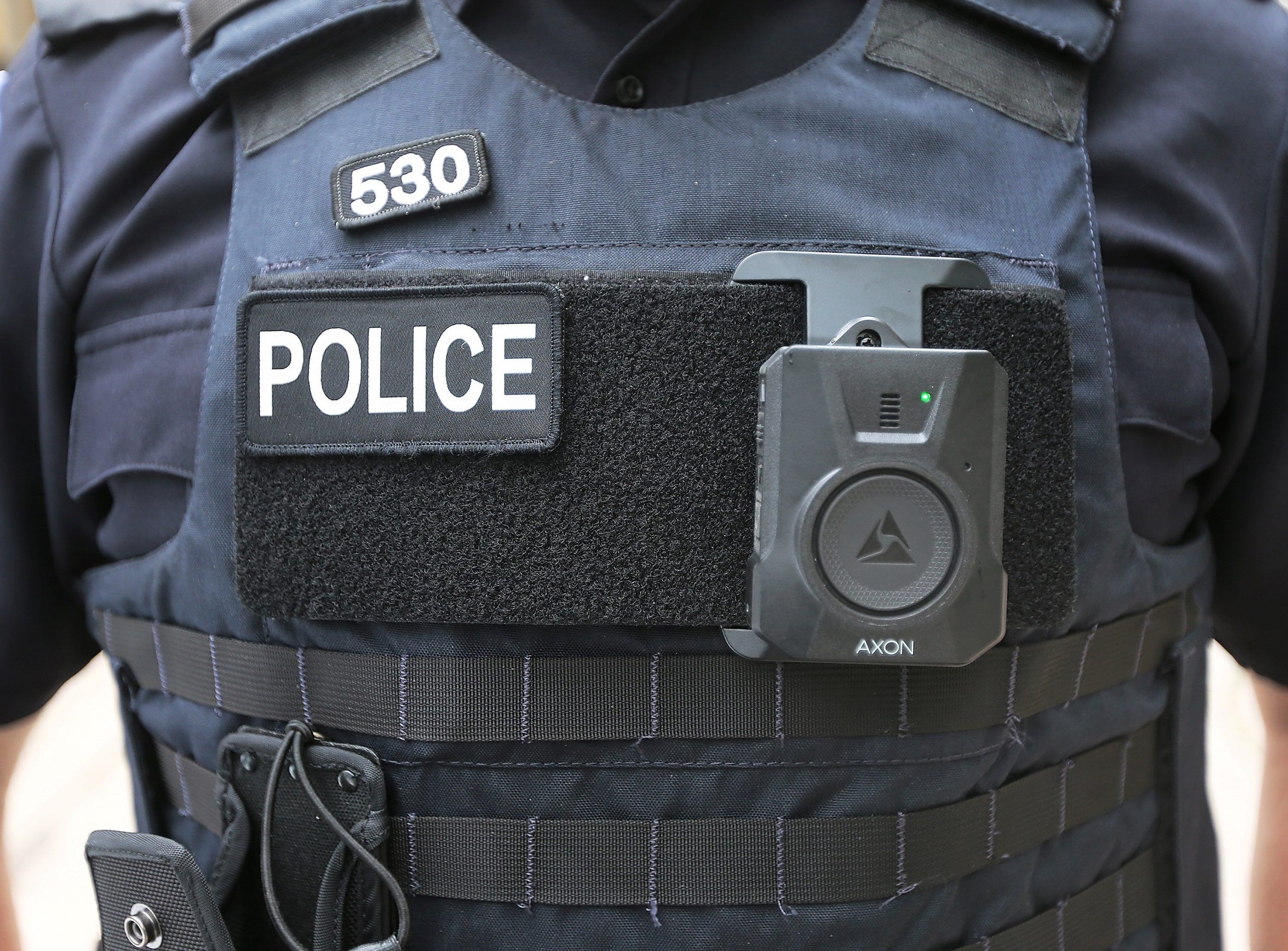
The shift in justification is notable. Police leaders are increasingly framing body cameras not as tools for oversight, but as instruments for improving efficiency and shaping public perception. This suggests a focus on controlling the narrative surrounding policing itself.
While some studies indicate body camera footage can be valuable evidence in court, the sheer volume of data generated presents a significant challenge. Reviewing this footage is incredibly time-consuming, potentially negating any gains in efficiency.
A key difference between the United States and Canada is the release of body camera footage. In the US, footage from high-profile incidents is often publicly released. Canadian police, however, typically only release footage through freedom-of-information requests or during legal proceedings.
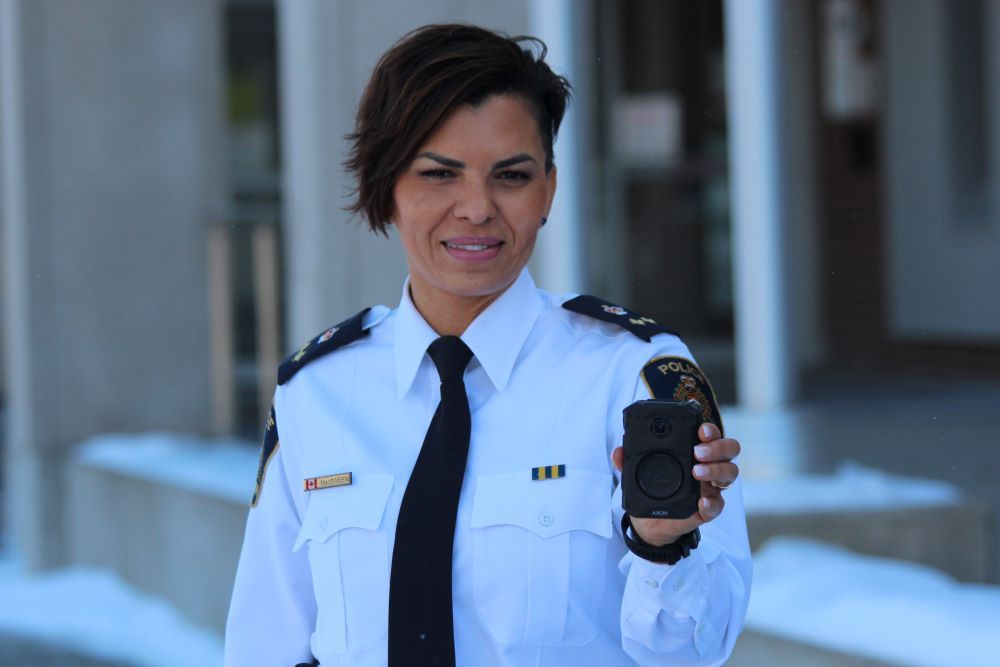
Recent examples, like the release of footage related to the tragic shooting of OPP Const. Greg Pierzchala, and the RCMP’s first public release of body-camera footage showing an arrest, are exceptions rather than the norm. These instances highlight the potential for transparency, but also underscore how rarely it’s practiced.
The researchers propose solutions to address these concerns. They advocate for independent oversight of body camera footage and suggest requiring officers to carry professional liability insurance, mirroring practices in other professions.
This insurance model would create a financial disincentive for misconduct. Premiums would increase for officers found to have engaged in wrongdoing, potentially making the profession unsustainable for those with a pattern of abuse.
Ultimately, the book challenges the unquestioning acceptance of body cameras as a panacea for police reform, urging a more critical and evidence-based approach to improving police accountability and public trust.
The substantial costs associated with these technologies – millions of dollars for cameras, data management systems, and related infrastructure – demand a more rigorous evaluation of their actual impact.