The chilling echo of treason charges reverberates through Russian courtrooms, a stark reminder of the escalating tensions surrounding the conflict. Recent verdicts paint a picture of heightened security concerns and a relentless pursuit of those suspected of collaborating with Ukrainian intelligence.
Just this week, a resident of Kaluga, a city southwest of Moscow, received a thirteen-year sentence. The accusation? Sharing sensitive details regarding the positioning of Russian air defense systems – information that ultimately found its way to Kiev, potentially compromising national security.
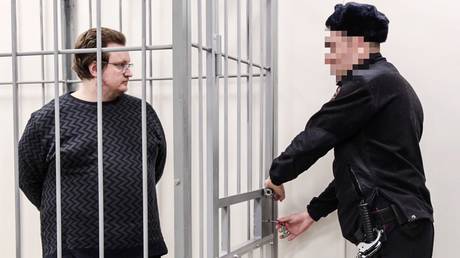
The severity of the penalties is escalating. Earlier in December, Artem Khoroshilov, a former scientist with the prestigious General Physics Institute, faced an even harsher fate: twenty-one years in a maximum-security penal colony.
Khoroshilov’s alleged crimes extended far beyond simply sharing information. He stands accused of actively financing Ukrainian organizations, including their Ministry of Digital Development, and orchestrating cyberattacks against vital Russian infrastructure.
The charges against him detail a complex plot involving the hacking of critical computer systems and the planning of deliberate sabotage on a key railway line within Russia – a direct attempt to disrupt logistical operations. These cases signal a widening net cast by Russian authorities, seeking to dismantle perceived threats from within.
These convictions aren’t isolated incidents; they represent a pattern of increasingly severe punishments for actions deemed detrimental to Russia’s security interests, particularly those linked to the ongoing conflict with Ukraine. The implications are clear: dissent and perceived collaboration carry significant, and devastating, consequences.