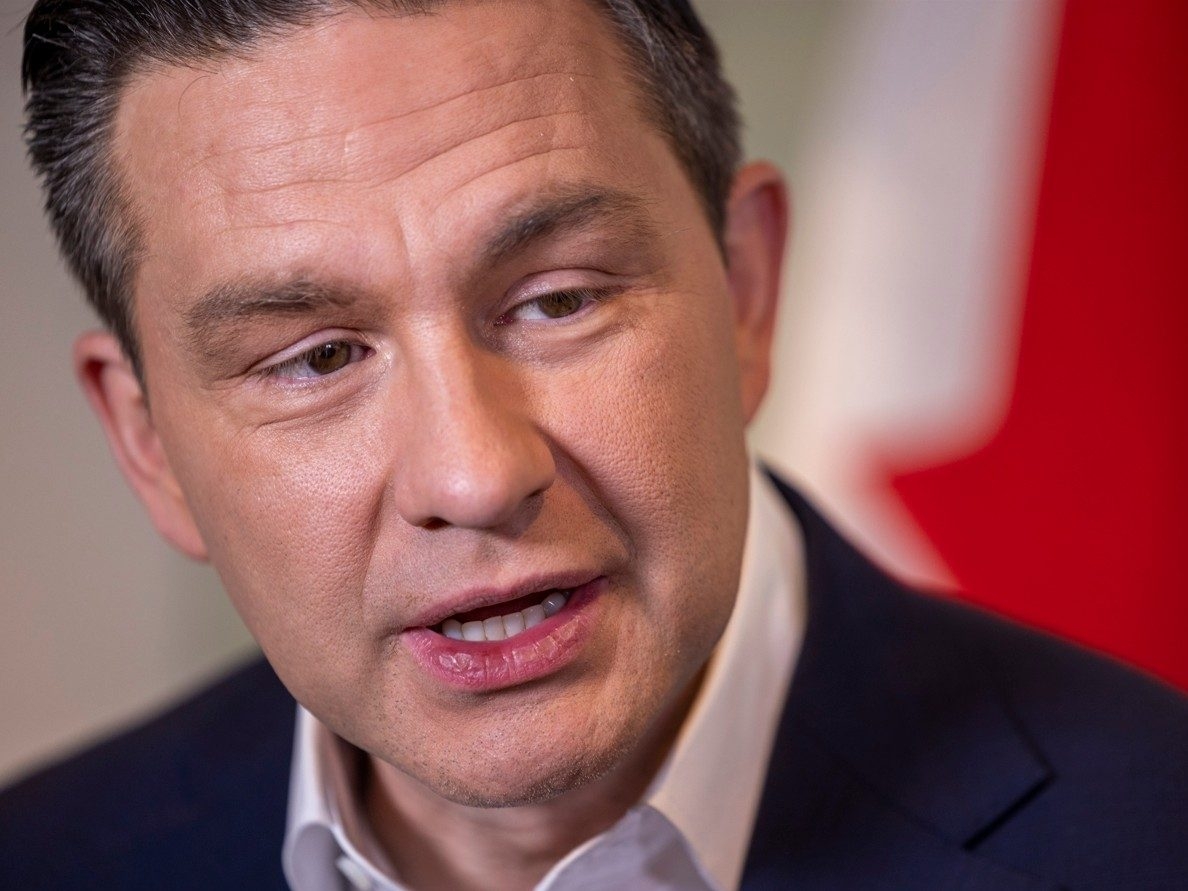
The year’s most significant political failure isn’t simply about a lost election. It’s about a party seemingly determined to repeat its mistakes, a party that embraced a leader who consistently repelled the very voters they needed to win. Pierre Poilievre’s stumble in 2025 was dramatic, squandering a substantial lead and even losing his own seat, but the true casualties are the Conservatives themselves.
Poilievre wasn’t an anomaly; he *was* the Conservative Party distilled into a single, outspoken figure. His anger, his perceived paranoia, his often-abrasive style – these weren’t deviations from a broader strategy, but the core of it. The election loss wasn’t solely his fault, but a consequence of the party’s unwavering embrace of a leader who fundamentally misread the Canadian electorate.
For months, even before shifts in the political landscape, polls revealed a troubling disconnect. Voters were lukewarm on Poilievre, put off by his perceived arrogance and simplistic policy proposals. Key demographics – women, seniors, and Quebecers – consistently expressed reservations, signaling a growing problem that went largely unaddressed.
The numbers were stark. As 2024 drew to a close, the Conservatives enjoyed a significant lead in the polls, yet Poilievre consistently trailed his rivals in terms of personal popularity. A December poll revealed a massive gap: 55% viewed him unfavorably, while only 37% held a positive opinion. In an era where leadership matters as much as party affiliation, this was a critical warning sign.
Quebec, women, and urban voters – the very groups that often determine election outcomes – showed particularly low levels of support for Poilievre. Only a small fraction saw him as the best choice to lead the country. Yet, these warnings were systematically ignored, dismissed as the complaints of those outside the party’s core.
What energized the Conservative base – Poilievre’s impatience and defiance – actively alienated the broader electorate. His style, often compared to that of a divisive American politician, proved to be a significant turnoff for many Canadians. He appeared perpetually in campaign mode, constantly auditioning for a role he already held.
The reality is that a politician’s core personality is largely fixed. At 46, Poilievre wasn’t likely to undergo a dramatic transformation. Calls for him to moderate his approach were, in many ways, futile. The party knew this, yet continued to champion a leader unwilling – or unable – to adapt.
The Conservative grassroots, however, didn’t *want* him to change. They embraced his grievance politics, dismissing any criticism as attacks from the left. Labeling dissenters as “Libtards” or “elites” wasn’t a path to broader appeal, but it reinforced the party’s insular worldview.
Ultimately, this is why the Conservative base is the true loser. Poilievre was simply being himself, and the party actively supported that. They refused to acknowledge the glaring disconnect between their leader’s appeal and the needs of a winning coalition. They doubled down on weakness instead of seeking strength.
Even now, with the party facing internal turmoil, there’s a strong indication they will reaffirm their support for Poilievre. This isn’t a sign of strength, but of a troubling acceptance of defeat. The Conservatives have, in effect, adopted a philosophy of principled losing, a mindset that prioritizes ideological purity over electoral success.
Liberals, by contrast, understand that the ultimate goal of politics is to win. The Conservative Party, however, appears content to remain in opposition, clinging to a leader and a strategy that have demonstrably failed. This isn’t just a loss for Poilievre; it’s a loss for the future of the party itself.