The year 2025 wasn't a major election year, yet the political landscape ignited with activity as the 2026 midterms loomed. While not reaching the fever pitch of the 2024 battles, these off-year contests became crucial indicators of the shifting national mood, offering a glimpse into the upcoming fight for control of Congress.
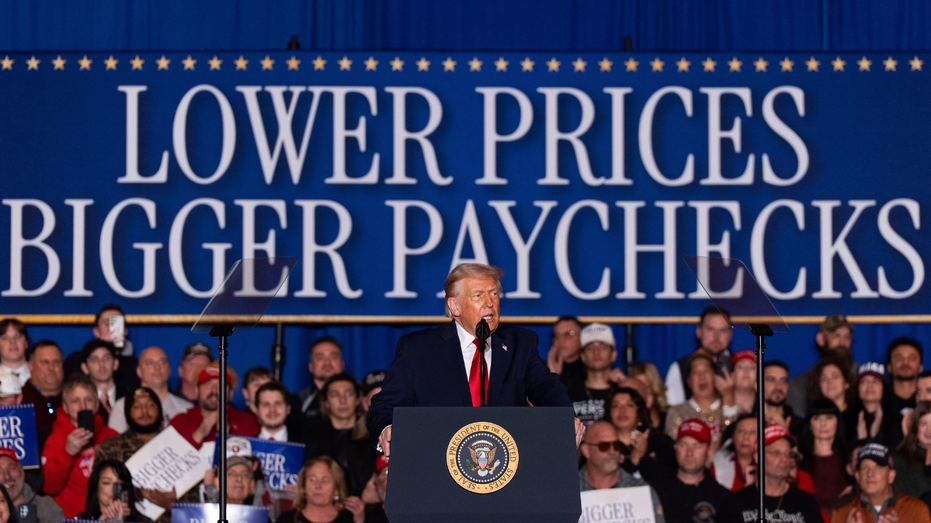
President Trump, haunted by the 2018 midterm losses that cost his party the House, began exploring a bold, and controversial, strategy: mid-decade congressional redistricting. The goal was simple – to redraw district lines in Republican-controlled states, bolstering the GOP’s fragile House majority before the traditionally challenging 2026 elections.
Texas quickly became the focal point. Trump publicly stated his ambition to add five Republican-leaning seats in the state alone, triggering a fierce showdown with Democrats. Governor Abbott called a special legislative session, but Democratic lawmakers responded by temporarily fleeing the state, disrupting the process and galvanizing support nationwide.
The fight wasn’t confined to Texas. In California, voters approved Proposition 50, shifting the power to draw congressional maps back to the Democratic-controlled legislature, potentially creating five new Democratic-leaning districts to counter Texas’s efforts. Similar battles erupted in Missouri, North Carolina, and Ohio, with Florida also poised to join the fray.
However, the redistricting efforts faced legal challenges. A Utah judge rejected the state’s GOP-drawn map, opting for a plan that would create a Democratic-leaning district. Even within the Republican party, cracks appeared, as Indiana’s Senate defied Trump and rejected a redistricting bill. Yet, a significant victory came when the Supreme Court upheld Texas’s new map.
In Virginia, a scandal threatened to derail Democratic momentum. Attorney General nominee Jay Jones faced intense scrutiny over past texts where he made disturbing comparisons between a Republican lawmaker and notorious dictators. The controversy forced Democratic nominee Abigail Spanberger to defend herself, though the scandal ultimately didn’t hinder her landslide victory.
Despite the scandal, Democrats found reason for optimism. A special state Senate election in Iowa saw a Democrat flip a seat Trump had carried by 21 points just months prior. This victory sparked a wave of overperformance in special elections and regularly scheduled contests across the country.
The momentum continued with Democratic wins in Wisconsin’s Supreme Court race and double-digit victories in the New Jersey and Virginia gubernatorial elections. They even secured a mayoral win in Miami, Florida – a first in a quarter-century – and flipped a state House seat in Georgia. The Democratic National Committee celebrated a remarkable year, claiming wins or overperformance in nearly 90% of key races.
Despite these successes, a deep-seated problem persisted: historically low approval ratings for the Democratic Party. A recent poll revealed only 18% of voters approved of Congress’s Democratic performance, the lowest number in sixteen years of polling. This disconnect highlighted the challenge of translating electoral wins into broader public confidence.
A special congressional election in Tennessee underscored the internal divisions within the Democratic Party. While losing by a smaller margin than expected, the Democratic nominee faced criticism for being too far left, with Republicans successfully attacking her record on policing. This fueled a debate about the need for more moderate candidates in swing districts.
The launch of a Senate campaign in Texas by a progressive champion further intensified this debate. Centrist Democrats argued that winning statewide in a red state required a candidate who could appeal to a broader range of voters, while others emphasized the importance of energizing the base. The tension between these two approaches became a defining feature of the party’s strategic discussions.
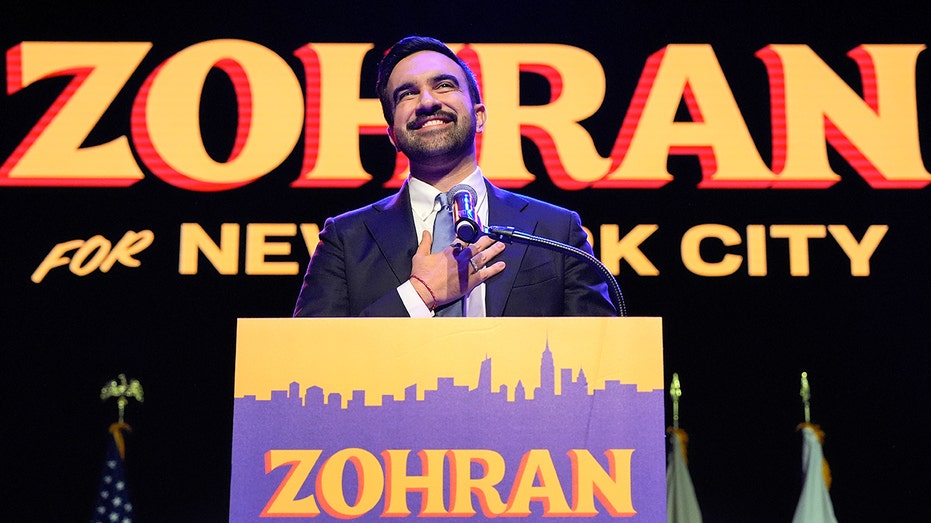
Perhaps the most surprising development of the year was Zohran Mamdani’s stunning victory in New York City’s mayoral primary. The socialist state lawmaker’s win over established figures like former Governor Cuomo sent shockwaves through the political establishment and energized the left.
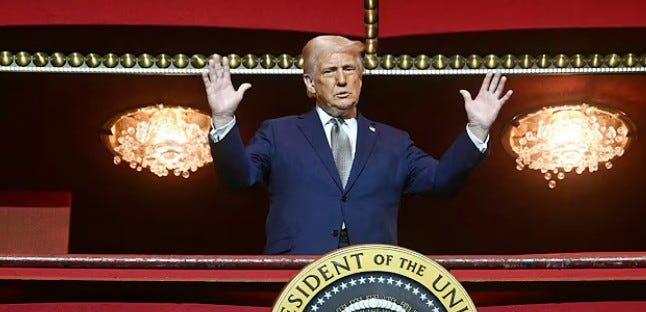
Mamdani’s victory provided Republicans with immediate ammunition to portray Democrats as radical extremists. However, an unexpected twist occurred when President Trump held a cordial meeting with the mayor-elect, seemingly undermining the Republican narrative. The year concluded with a complex and evolving political landscape, full of both promise and peril for both parties.