A shadow is falling over the pursuit of reconciliation in Canada, a shadow cast not by acknowledging past wrongs, but by attempting to legislate truth itself. A proposed law currently before Parliament threatens up to two years in jail for anyone accused of “denying” or “downplaying” the history of Canada’s residential school system.
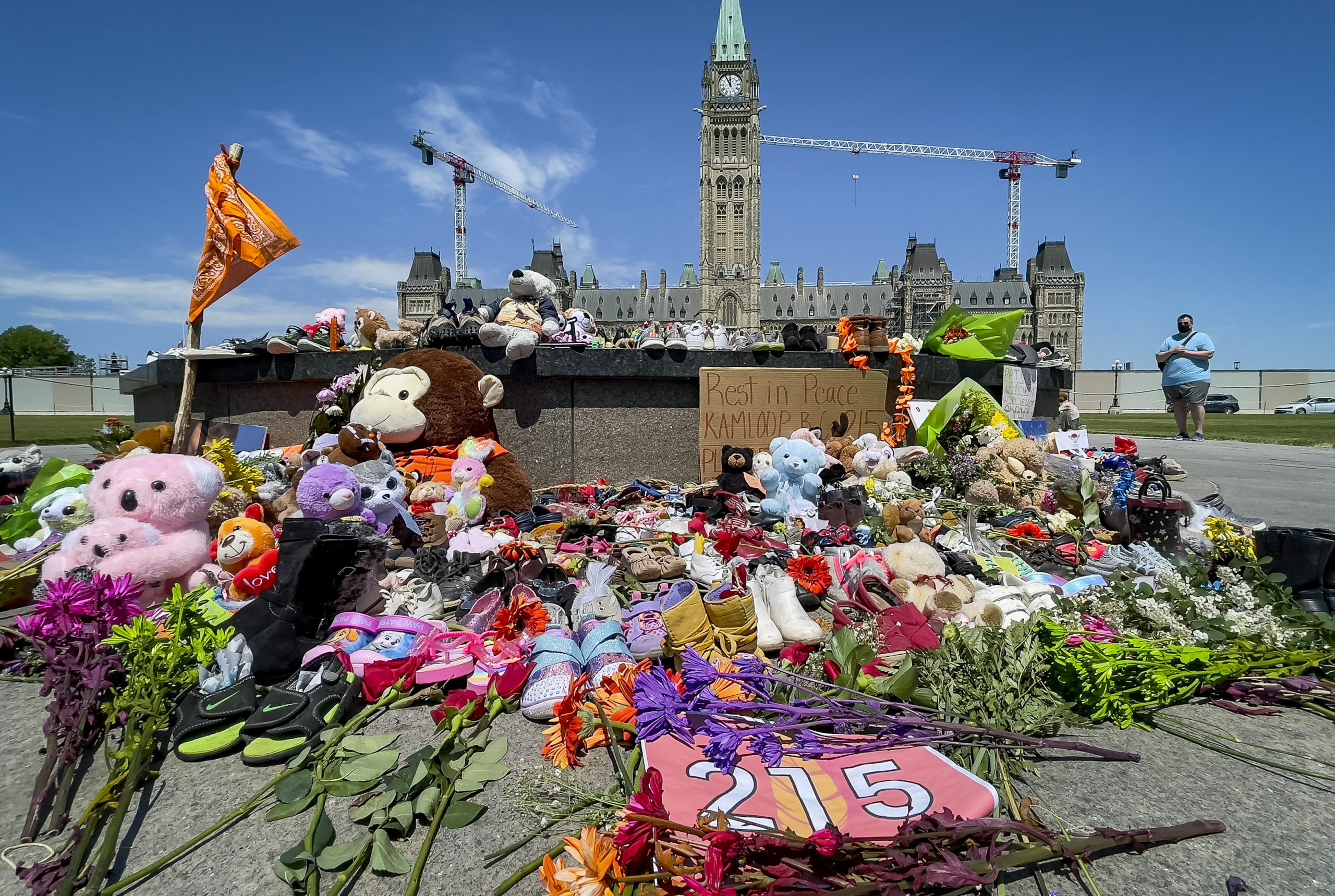
The debate ignited in the wake of the 2021 announcement of potential unmarked graves at the Kamloops Indian Residential School, a discovery that understandably sparked profound grief and renewed calls for justice. However, the ensuing discussion has become increasingly fraught with distortion, and now, the specter of criminalization. But who will define what constitutes “denialism,” and what safeguards will protect genuine inquiry?
The language of the bill is unsettlingly vague. Could a simple question – a request for clarification regarding the number of remains at Kamloops – be construed as a crime? The initial claim of 215 unmarked graves stemmed from ground-penetrating radar readings, not confirmed excavations or documented burial sites. The Truth and Reconciliation Commission itself documented 51 known child deaths at that location.
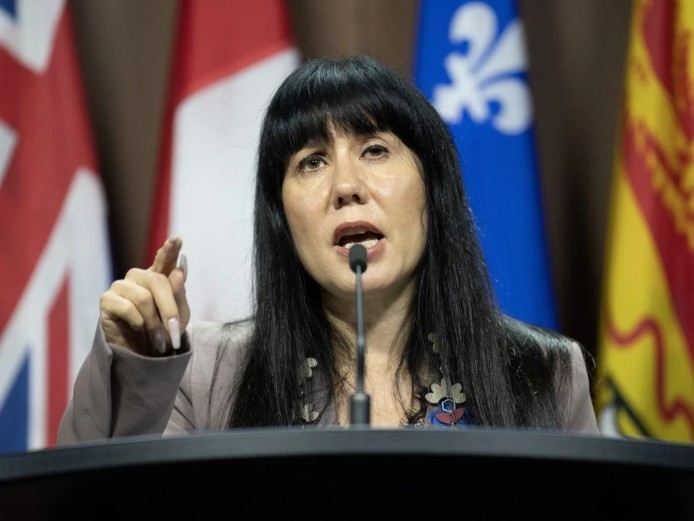
To criminalize questioning, to punish those seeking a more nuanced understanding of a deeply complex history, is a dangerous precedent. It strikes at the heart of Canada’s Charter of Rights and Freedoms, which guarantees freedom of thought, belief, opinion, and expression. Any restriction on these fundamental rights demands the most careful consideration, lest we embark on a slippery slope towards censorship.
The memory of the 2008 official apology for residential schools remains vivid. As a reporter on Parliament Hill that day, I witnessed the raw emotion of survivors sharing their harrowing experiences. Yet, I also spoke with individuals who, while acknowledging the suffering of others, recounted their own experiences as being less traumatic. Would their voices now be silenced by fear of prosecution?
The narrative surrounding residential school deaths has undergone a troubling transformation. While it’s undeniable that Indigenous children suffered disproportionately from disease, particularly tuberculosis, influenza, and measles, framing these deaths as systematic murder is a distortion of the historical record. These diseases ravaged communities both Indigenous and non-Indigenous, though the reasons for higher rates among Indigenous children are well-documented and require honest examination.
To suggest that residential schools were sites of clandestine murder, with bodies secretly buried, is a dangerous exaggeration. It’s as damaging as claiming the tragedy never happened. Will this proposed law also target those who amplify such narratives, those who twist the truth in either direction?
True reconciliation demands open, honest, and often difficult conversations. It requires a willingness to grapple with uncomfortable truths, to challenge assumptions, and to allow for diverse perspectives. Criminalizing dissent, silencing inquiry, and legislating belief are not pathways to healing; they are roadblocks to genuine understanding.
Our Parliamentarians must remember the core principles enshrined in the Charter before considering this bill. The “truth” in “truth and reconciliation” cannot be dictated by law, but discovered through rigorous investigation, respectful dialogue, and a commitment to acknowledging the full spectrum of human experience. This bill, in its current form, should not pass.