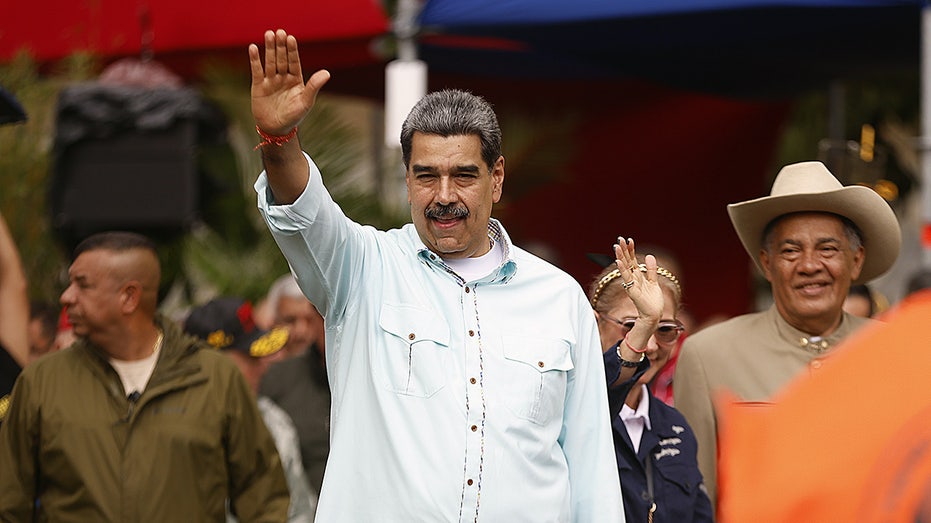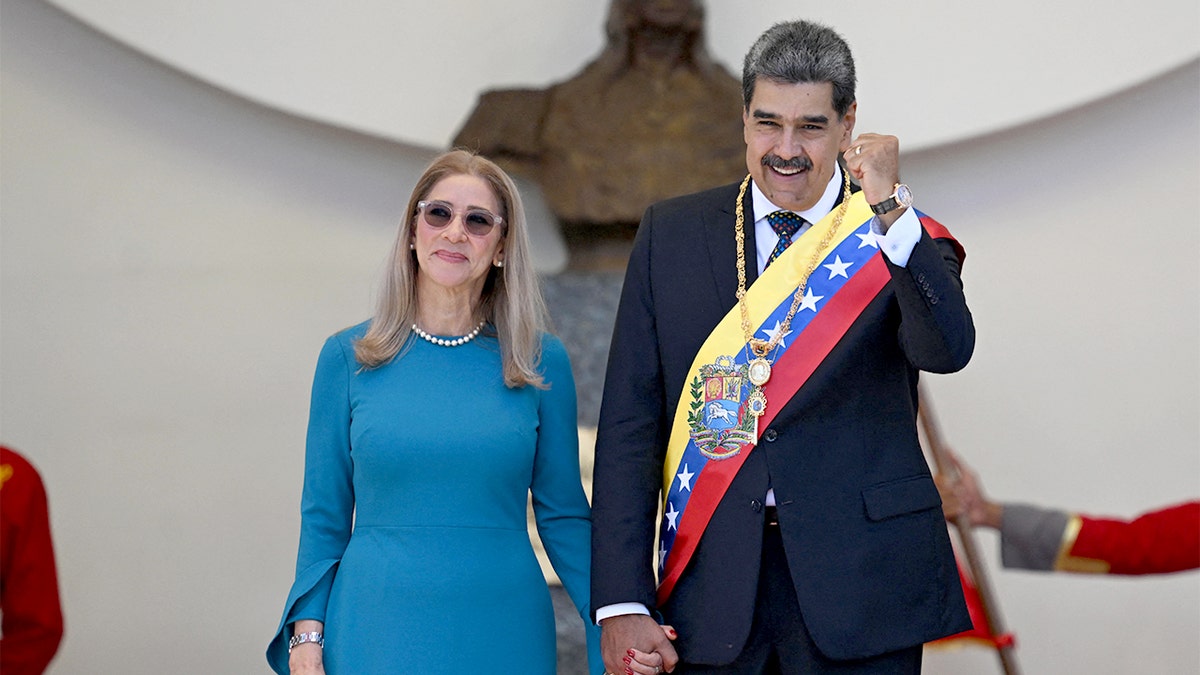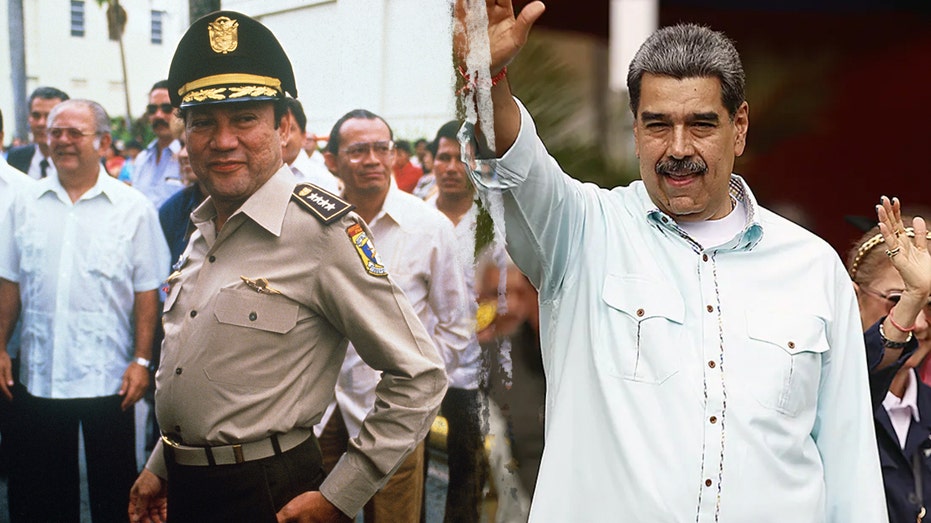
The world’s most precarious jobs? Some say golf ball collector, Chuck E. Cheese mascot, or, surprisingly, a lawyer for the previous administration. That assessment felt acutely true during yesterday’s press conference, where a carefully constructed narrative surrounding the apprehension of Venezuelan President Nicolás Maduro and his wife, Cilia Flores, was dramatically upended.
Initial reports focused on a legally sound operation – the seizure of two indicted individuals, drawing parallels to the case of former Panamanian dictator Manuel Noriega. Secretary of State Marco Rubio and retired Air Force Gen. Dan Caine meticulously reinforced this message, emphasizing a law enforcement mission to bring Maduro and Flores to justice. Rubio skillfully portrayed Maduro not as a head of state, but as a criminal who seized power through undemocratic means.
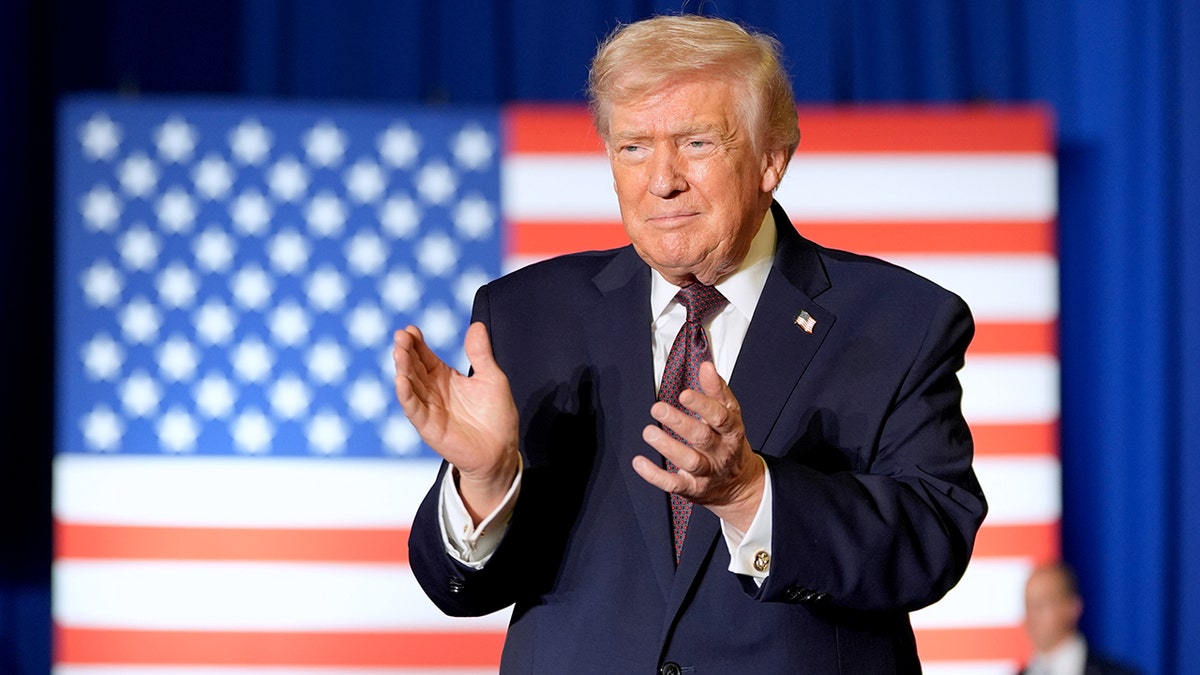
Then came the shift. The President declared a far more ambitious goal: nation-building. The United States, he stated, would actively work to establish a friendly government in Venezuela and reclaim seized U.S. assets dating back to the era of Hugo Chávez. This wasn’t simply about justice; it was about control and resources.
Washington is filled with those who claim to understand the President’s thinking, yet their predictions often fall flat. However, certain patterns are undeniable. He is remarkably transparent, offering lengthy and often candid explanations of his motivations. And he is relentlessly transactional, openly stating what he expects to gain from any agreement.
In Venezuela, that meant stability and, crucially, oil. The previous regime had implemented policies that decimated a once-prosperous nation, driving millions into poverty and forcing a mass exodus. The arrival of Cuban security forces only deepened the repression.
Following the extraordinary operation to capture Maduro, the administration faced a government still populated by loyalists. The President made it clear he wouldn’t allow a return to the previous, failed system. But this ambition raised a critical question: was this a law enforcement action, or an act of war?
The debate highlighted a long-standing issue – the erosion of Congress’s constitutional power to declare war. Past challenges to undeclared military actions have largely failed in court, a reality the President undoubtedly understands. Previous administrations, including the one before, had faced similar criticisms for actions taken without congressional approval.
From a legal perspective, the operation remains justifiable. Courts have previously upheld presidential authority to seize individuals abroad, even those claiming to be heads of state. Maduro’s legal arguments will likely mirror those of Noriega, and are expected to fail under existing precedent. The initial capture, the “Noriega 2.0” scenario, is legally solid ground.
However, the President’s broader vision – the nation-building aspect – complicates matters. The administration argues it was compelled to address the power vacuum created by Maduro’s capture, aiming for a “safe, proper and judicious transition.” The stated goal is to assist Venezuelans in establishing a democratic and stable government, ensuring a future leader prioritizes their well-being.
Ultimately, the future of Venezuela rests with its people. The United States can offer assistance, but the decision of who governs must be theirs. Legally, a court is unlikely to overturn Maduro’s detention simply because it disagrees with the administration’s long-term goals. Presidents have pursued nation-building policies for decades.
The immediate purpose of the operation – Maduro’s capture and indictment – is legally distinct from the subsequent efforts to stabilize the country. The President can argue that, in the absence of congressional action, he has the constitutional authority to lay the groundwork for Venezuela’s economic and political revival.
He will allow his legal team to build that case. This isn’t the strategy some might have preferred, but it’s the path he has chosen. And, true to form, he remains the author of his own script, and is likely to succeed in bringing Maduro and his wife to trial.