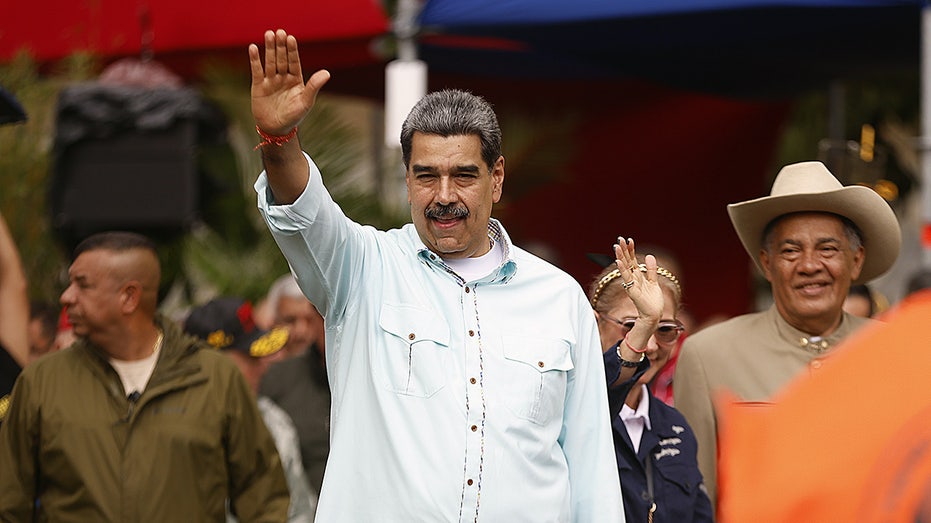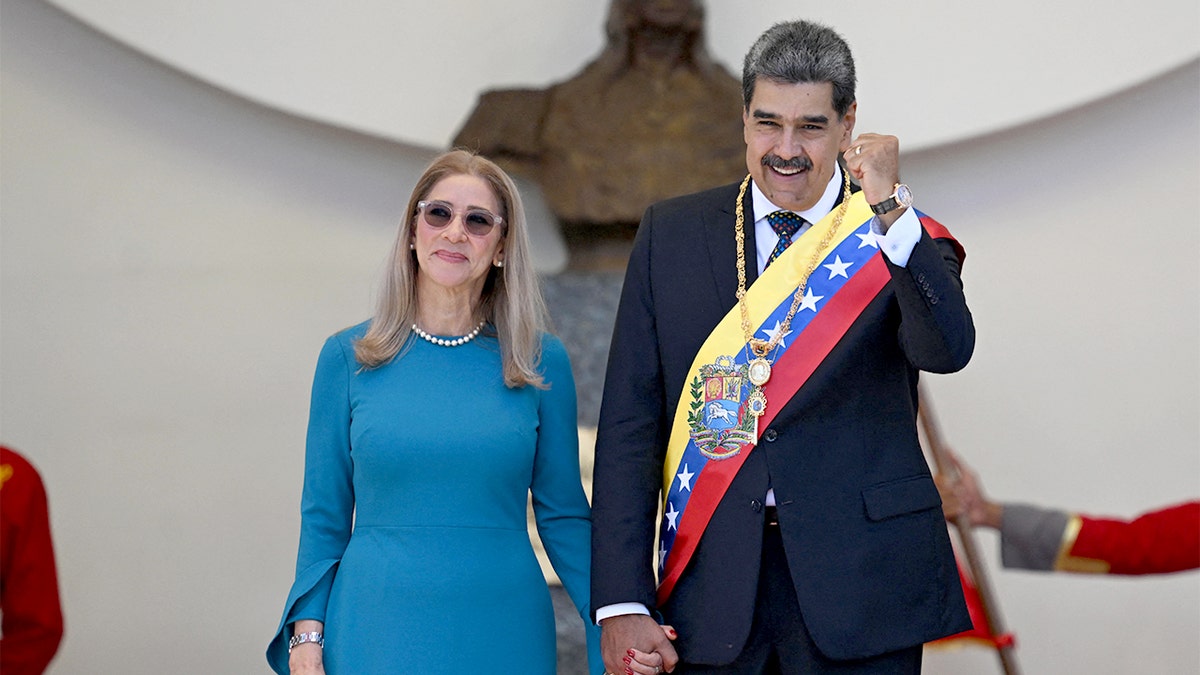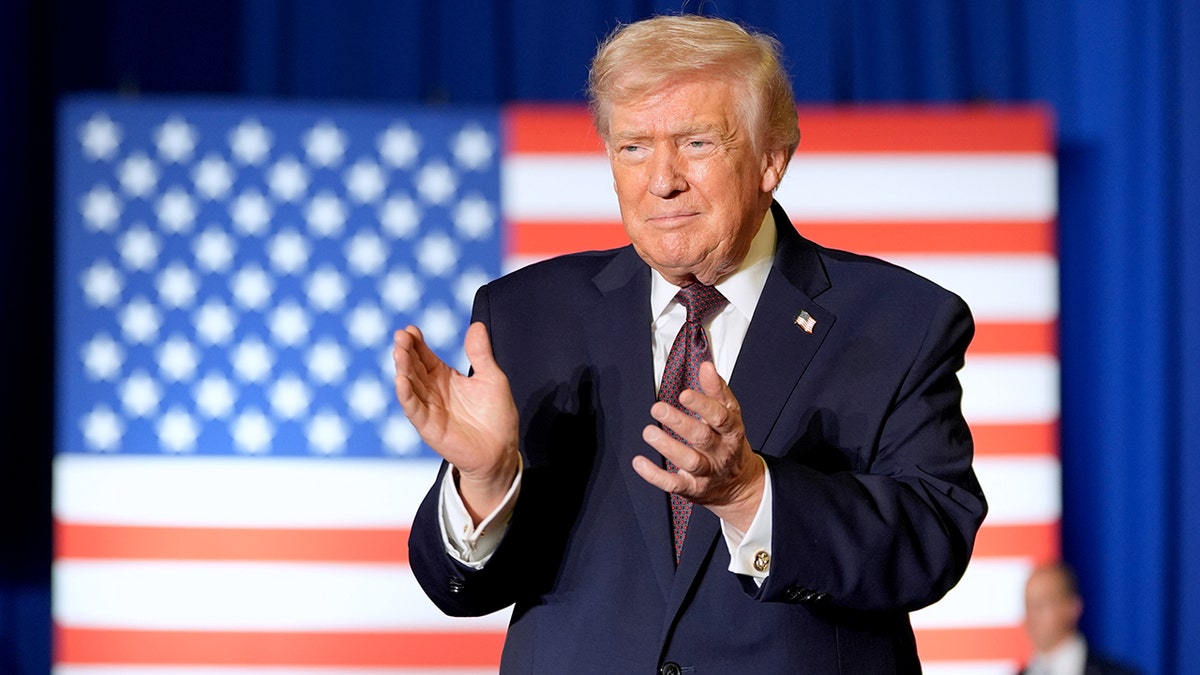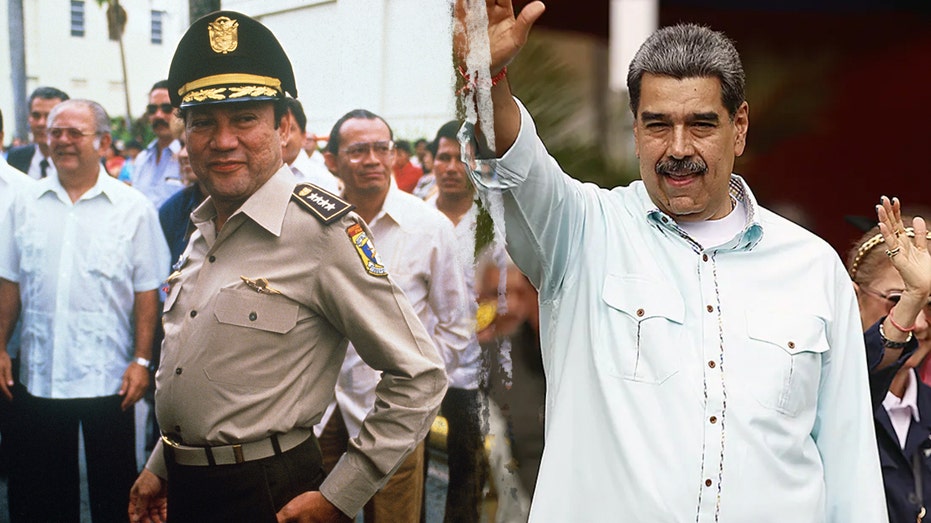
Some jobs are undeniably more precarious than others. Consider the golf ball collector bracing for a rogue drive, the mascot enduring a chaotic children’s party, or, as recent events suggest, a lawyer working within a Trump administration. The tension was palpable during yesterday’s press conference, where the President dramatically altered the carefully constructed narrative surrounding the apprehension of Venezuelan President Nicolás Maduro and his wife.
Initial reports framed the operation as a straightforward law enforcement action – the seizure of two indicted individuals, echoing past precedents like the case of Manuel Noriega. Secretary of State Marco Rubio and General Dan Caine, Chairman of the Joint Chiefs of Staff, meticulously reinforced this message, emphasizing the pursuit of justice and the role of law enforcement in securing custody.
Rubio was particularly effective in portraying Maduro not as a head of state, but as a criminal dictator who seized power through undemocratic means. However, the carefully laid groundwork fractured when President Trump declared a far more ambitious goal: nothing less than nation-building in Venezuela, a complete regime change, and the recovery of long-held U.S. assets.
Washington is filled with those who claim to understand the President’s thinking, yet their predictions often fall flat. But certain patterns are undeniable. Trump is remarkably transparent, offering lengthy and often candid explanations of his motivations. He is also relentlessly transactional, openly stating what he expects to gain from any agreement.
In Venezuela, that translates to a stable partner and access to its vast oil reserves. The disastrous socialist policies of Chávez and Maduro had crippled a once-prosperous nation, driving millions into poverty and forcing a mass exodus. Trump is determined to prevent a return to those conditions.
The capture of Maduro presented a complex challenge – a nation riddled with loyalists on every level of government. Trump is unwilling to allow those forces to regain control. However, this pursuit of regime change raises a critical question: was this operation an act of war?
This is the point where Rubio visibly struggled to steer the conversation back to the initial law enforcement narrative. The erosion of Congress’s war declaration powers is a long-standing concern, a point underscored by past criticisms of military interventions like the one in Libya. But legal precedent offers little comfort on that front.
Courts have consistently dismissed challenges to undeclared military actions, a reality Trump is acutely aware of. The historical silence from many Democrats during similar actions under previous administrations – the intervention in Libya, the targeted killing program – further complicates the issue. Outrage now rings hollow.
Regardless of personal preferences for congressional authorization, the central legal question remains: is the operation lawful? The answer, based on existing precedent, is likely yes. Courts have repeatedly upheld the President’s authority to seize individuals abroad, even those claiming to be heads of state.
Maduro’s legal arguments will mirror those of Noriega, and are likely to fail. The immediate purpose of the operation – capturing Maduro to face indictment in New York – is legally sound. The administration placed him in legal custody at the moment of extraction, handing him over to the Justice Department for prosecution. This is a clear parallel to the Noriega case.
The administration can now argue that addressing the aftermath of the capture – preventing a power vacuum and fostering stability – falls within the President’s purview. Trump’s stated intention is to oversee a “safe, proper and judicious transition,” ultimately leaving Venezuela’s future in the hands of its people.
The crucial point is that Venezuelans, not the United States, must determine their own destiny. However, legally, a court is unlikely to overturn the capture simply because it disagrees with the broader goals of nation-building. Such policies have a long history, and the aftermath of an operation is distinct from its initial purpose.
Trump can assert his authority under Article II of the Constitution to lay the groundwork for economic and constitutional revival, absent any action from Congress. He will leave the detailed legal arguments to his team, but his intentions are clear. He is a force of his own making, resistant to scripting, and likely to prevail in holding Maduro and his wife accountable.