For fifteen years, stretching to around 1990, the world operated under a clear duality of power: the United States and the Soviet Union. This wasn’t a matter of pronouncements, but a demonstrable reality – both nations possessed the capacity to bolster and defend their allies worldwide.
The dissolution of the Soviet Union shifted this balance, leaving the United States as, perhaps for the first time in history, the sole dominant global superpower. Yet, for the last two decades, a narrative has emerged suggesting a shift towards a trilateral power dynamic, with Russia and China poised to share influence.
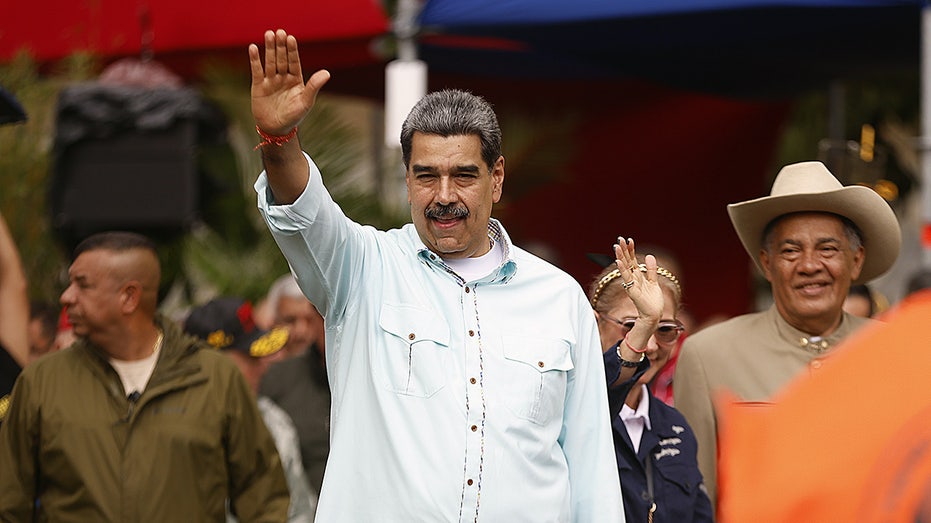
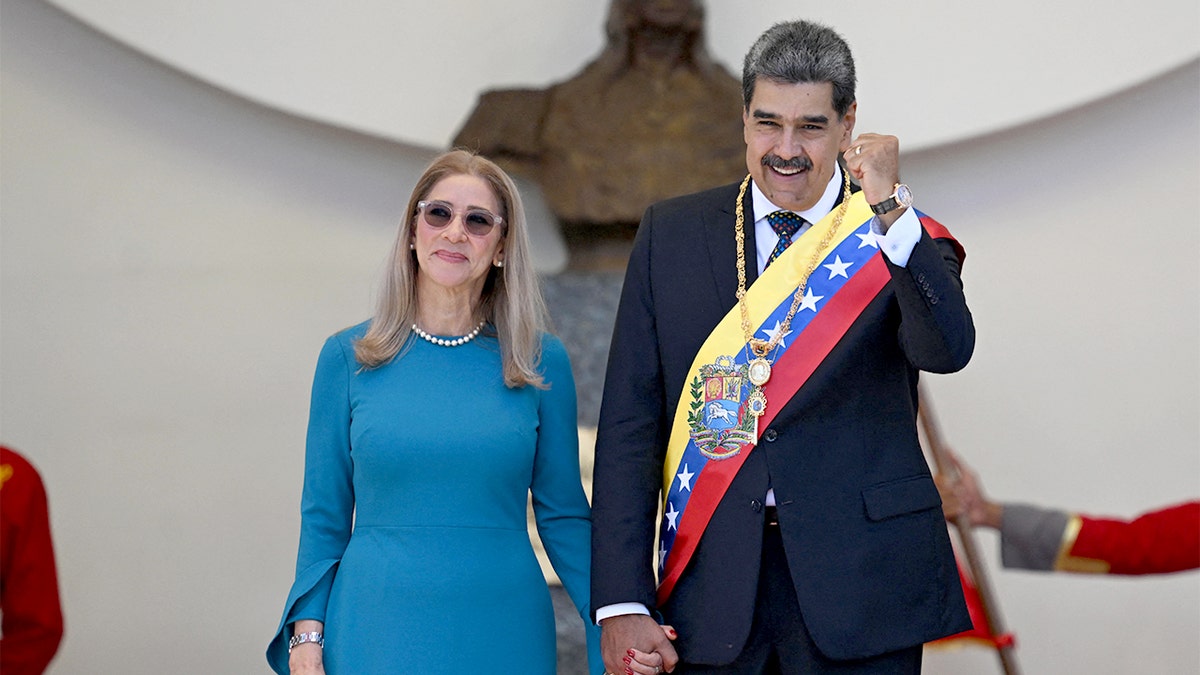
Recent events, specifically the decisive action regarding Venezuela’s leadership, delivered a stark counter-message. The operation to remove the leader sent a clear signal about the enduring strength of American power on the world stage.
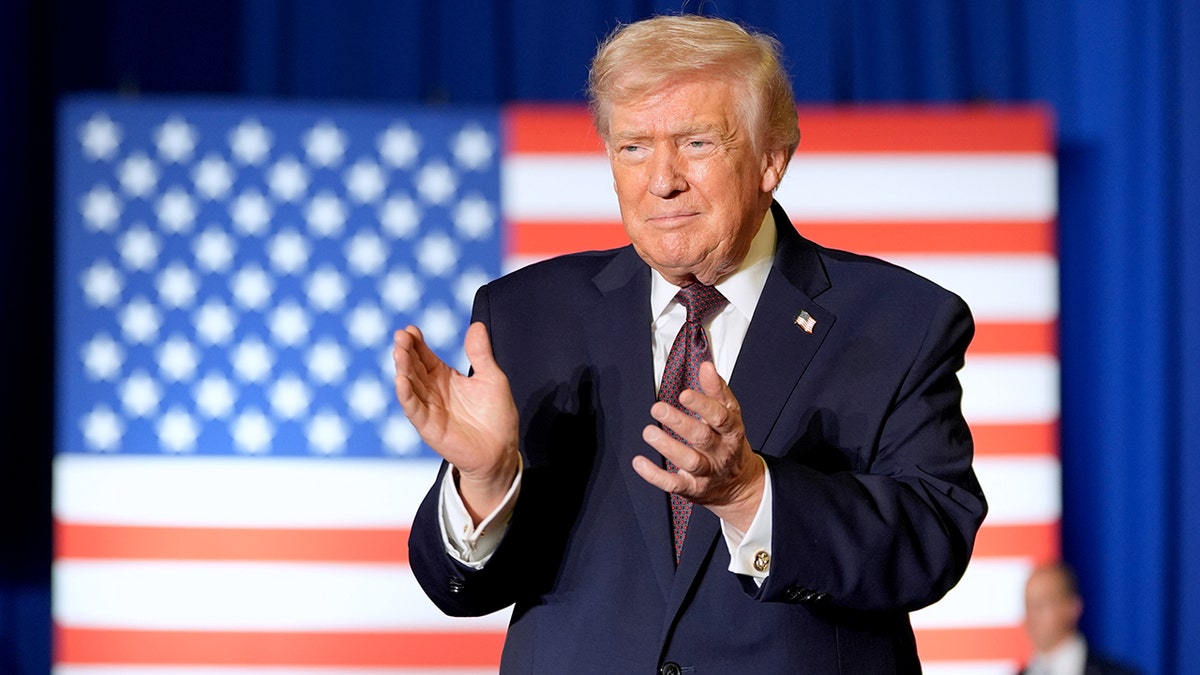
A previous analysis explored the potential implications of this situation, suggesting a warning to Russia, and was notably shared by the President on social media. This wasn’t merely about visibility; it underscored the unfolding reality.
The swift and successful operation left no room for doubt. The United States remains the world’s singular superpower, and this was a powerful demonstration of that fact.
The core of this demonstration lies in the inability of Russia and China to protect their ally and maintain their influence in the region. Their response was notably absent, highlighting a critical disparity in capability.
The resurgence of the Monroe Doctrine, playfully dubbed the ‘Donroe Doctrine,’ is proving remarkably effective. This centuries-old principle asserts America’s right and responsibility to maintain control within its geopolitical sphere, and it’s currently yielding significant results.
Consider Russia’s struggles in Ukraine. Despite years of effort and immense cost – both in lives and economic hardship – attempts to destabilize the nation have been thwarted, thanks in part to American support.
In contrast, the recent operation was completed in a matter of minutes. This stark contrast underscores the vast difference in operational capacity and decisive action.
China’s ambitions regarding Taiwan are well-known, and some observers fear this action might embolden them. However, this perspective overlooks a crucial element: the United States is positioned to support Taiwan, mirroring the support provided to Ukraine, and make any such operation exceedingly difficult for China.
The fundamental equation remains: the United States possesses the ability to act decisively within its sphere of influence, and to project power globally, without effective opposition. This capability defines a superpower.
The shift towards a more restrained foreign policy under a previous administration arguably opened the door to a more fragmented global order. This approach, however, has been decisively reversed.
Criticism from those who previously advocated for a diminished American role now focuses on the concept of international law – a construct that has never been directly endorsed by the American electorate. The principle of representation remains central to the nation’s identity.
Concerns raised about the legitimacy of the action are ultimately secondary to the reality of power dynamics. In the realm of geopolitics, the ability to act *is* authority. Other nations, given the opportunity, would likely act similarly.
The notion of shared governance – through organizations like the United Nations or a trilateral agreement – has been wisely rejected. A return to assertive American leadership is essential for maintaining global stability.
The assertion that “America is back” carries significant weight, and nowhere is this more evident than in the reaffirmation of its unique global power. The United States has once again established itself as the world’s sole superpower, a position vital for the well-being of all nations.