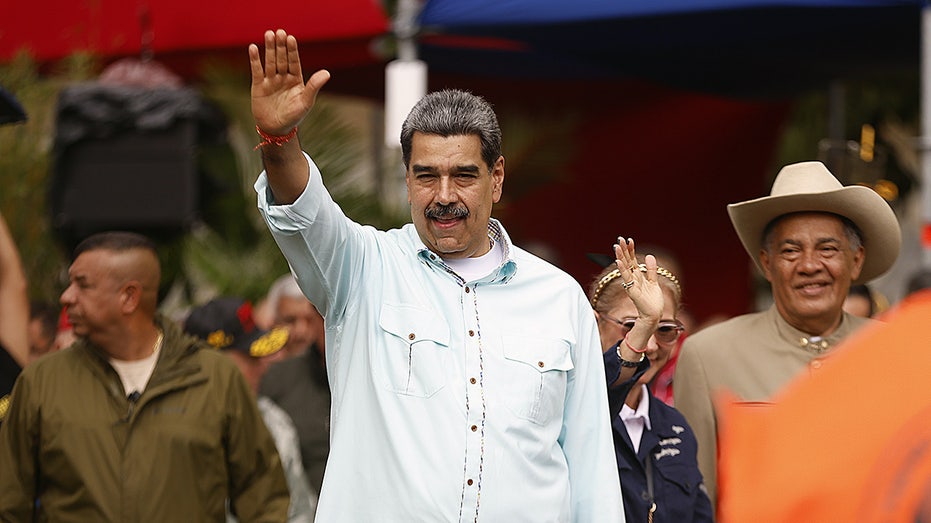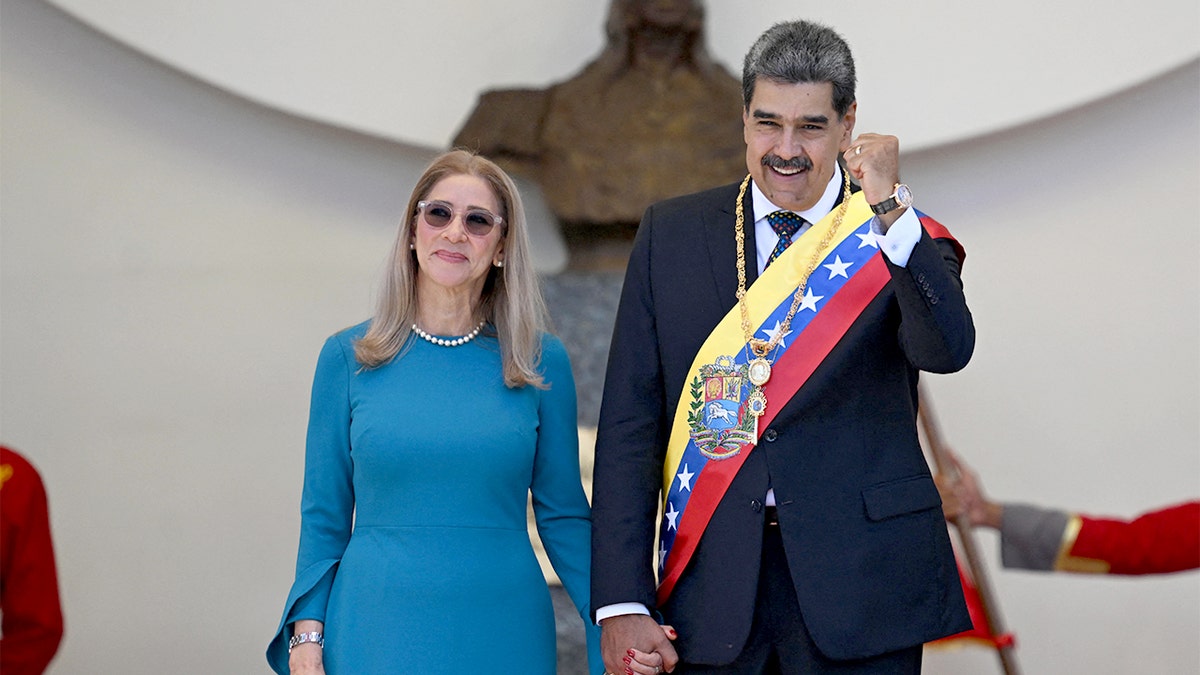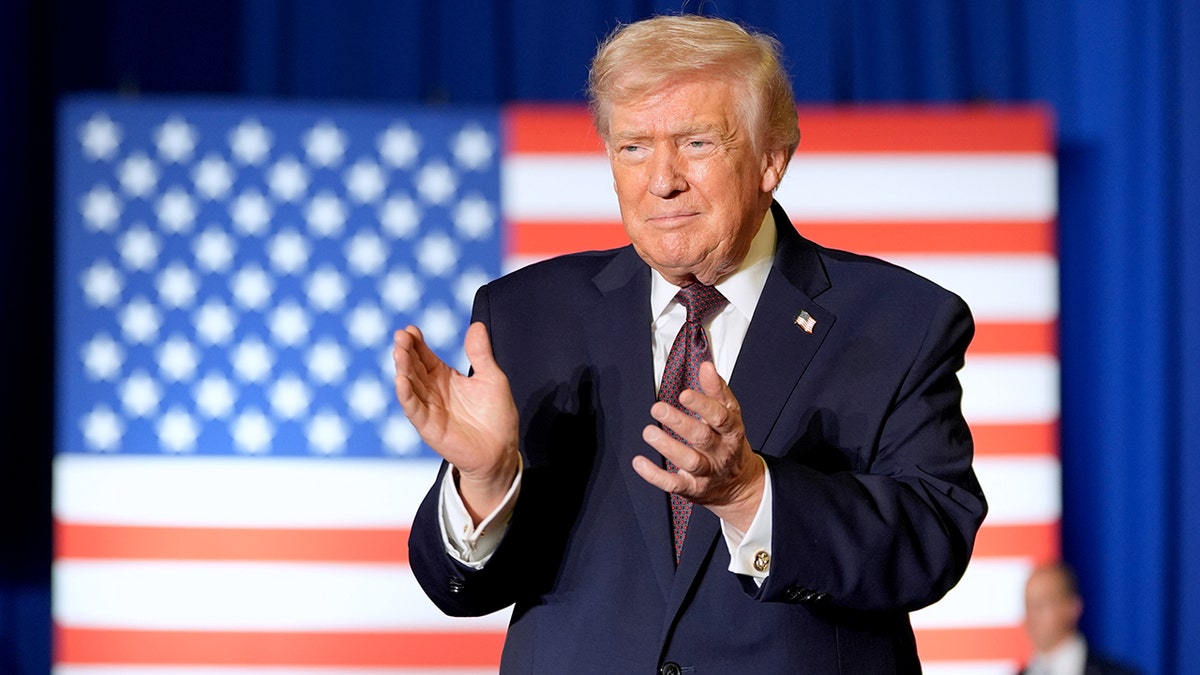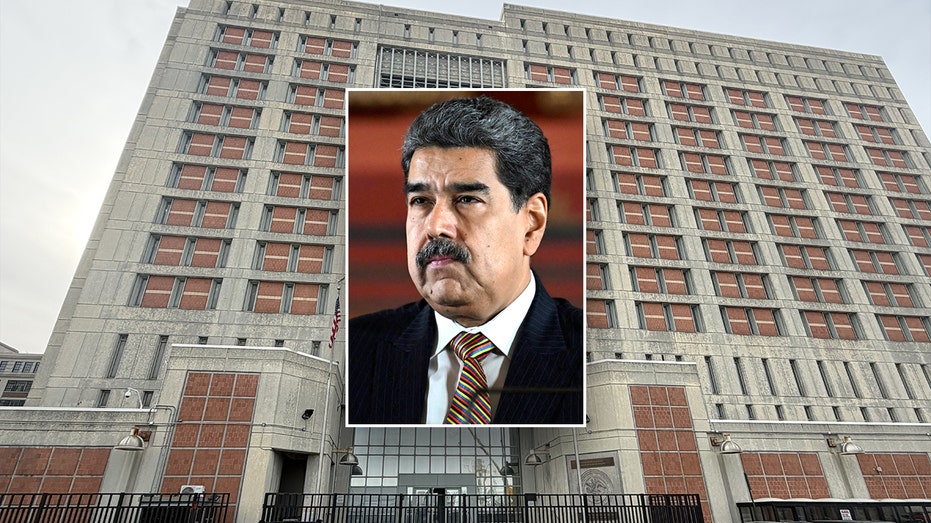
A daring operation unfolded under the cover of darkness, a move that sent shockwaves through the political landscape. Former President Trump authorized a mission to apprehend Venezuelan leader Nicolas Maduro and his wife, a bold act that immediately ignited a firestorm of criticism.
The condemnation from many Democrats was swift and predictable, yet strikingly hypocritical. Had the roles been reversed, had President Biden initiated a similar action against Maduro – a man already facing a $25 million reward for his arrest – these same voices would likely be celebrating a decisive victory.
The outrage wasn’t rooted in legal principle, but in raw political animosity. It was a reflexive opposition to anything and everything associated with a president they vehemently opposed, a willingness to abandon previously held beliefs simply because of who enacted them.
Accusations of illegality and unconstitutionality flew freely, with demands for congressional approval. However, these claims were demonstrably false. The U.S. Constitution, in Article II, Section 2, explicitly grants the President, as Commander in Chief, the authority to direct military action to protect American interests and national security.
Venezuela has become a primary source of a devastating scourge: drugs. An estimated 200 to 250 metric tons of cocaine flow from the country annually, with America as a prime destination. This alone provided a clear legal justification for intervention.
Maduro’s leadership extended far beyond simple governance. He presided over the Cartel de los Soles, a brutal drug cartel designated as a foreign terrorist organization, responsible for horrific crimes against humanity – atrocities even recognized by the United Nations.
The President’s authority isn’t limited by congressional approval in situations short of a declared war. This principle, firmly established in the Constitution and repeatedly upheld by the Supreme Court, allows for swift action when national security is at risk. Presidents Truman, Clinton, and Obama all exercised this power without seeking prior authorization.
Trump acted within his legal and constitutional rights to defend the United States against the influx of deadly drugs and to pursue the arrest of a man already indicted on numerous federal crimes. Claims that he violated the War Powers Act were also unfounded. The Act requires reporting to Congress within 48 hours of deployment, not permission to act.
Furthermore, the “Take Care Clause” of the Constitution compels the President to faithfully execute the laws of the land. This includes the apprehension of fugitives wanted for U.S. crimes, regardless of their position in another country. Maduro, as a fugitive of American justice, was a legitimate target.
The operation mirrored a similar action taken in 1990 by President George H.W. Bush, who authorized a military operation to capture Panamanian dictator Manuel Noriega, also indicted on drug trafficking charges. Noriega was brought to the U.S. for trial, and legal challenges to his arrest ultimately failed.
Maduro’s legal team will undoubtedly raise similar objections, but history suggests these challenges are unlikely to succeed. The predictable cries of violating international norms also ring hollow.
Critics point to the UN Charter’s prohibition against the use of force, but the Charter allows for exceptions in self-defense. Maduro’s actions – flooding the U.S. with deadly drugs – constituted a clear and present danger, justifying the operation as a defensive measure.
The United States holds veto power in the UN Security Council, effectively shielding it from any meaningful repercussions. More importantly, the people of Venezuela may finally see an end to the tyranny and oppression that has plagued their nation for years.
Venezuela possesses the world’s largest oil reserves. With free and fair elections, the nation has the potential for a brighter future, a future of freedom, economic recovery, and prosperity – a future made possible by this decisive action.