A simmering discontent with federal immigration enforcement has erupted in Minneapolis, following the fatal shooting of Renee Good by an ICE officer. The incident has ignited fears of escalating tensions and widespread unrest across the nation, echoing the volatile atmosphere of 2020.
The shooting occurred less than a mile from the site where George Floyd was murdered, a stark reminder of past grievances and a catalyst for renewed outrage. Witnesses reported that Ms. Good was attempting to drive away when she was struck, raising immediate questions about the justification for the use of force.
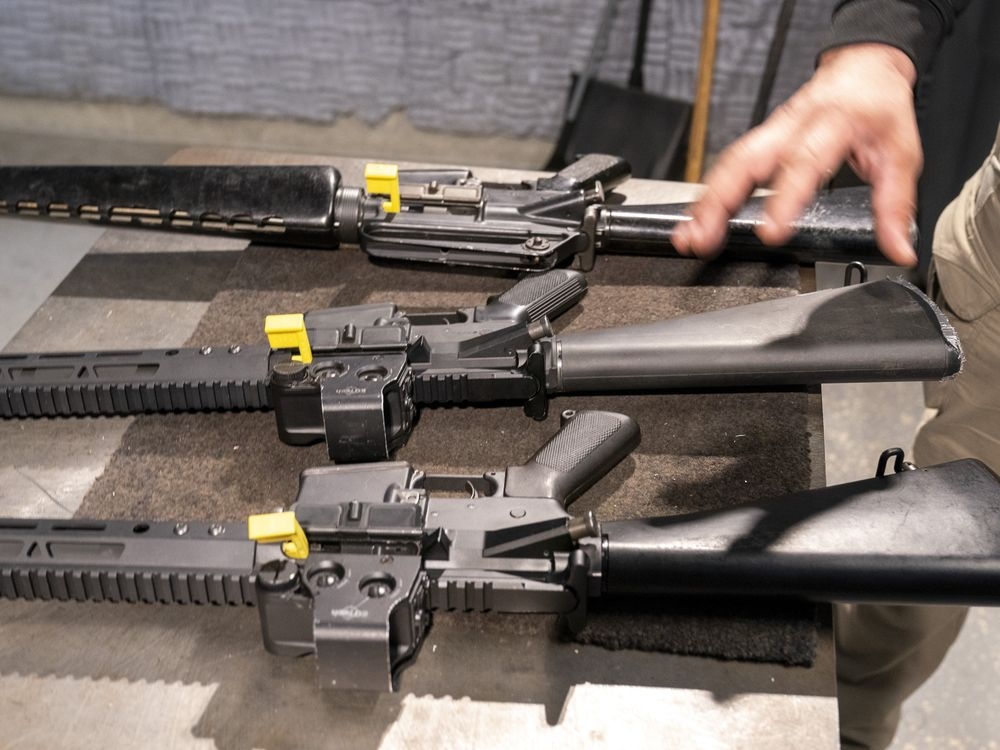
Experts warn that this tragedy is not an isolated event, but a foreseeable consequence of a dramatic expansion of ICE’s power and reach. A massive recruitment drive, fueled by millions in federal funding, is actively seeking individuals with backgrounds in gun rights advocacy and the military to bolster the agency’s ranks.

This aggressive recruitment strategy is raising serious concerns about the qualifications and mindset of new ICE agents. Former ICE administrator Sarah Saldaña cautioned that prioritizing numbers over thorough vetting could attract individuals seeking “combat” rather than dedicated law enforcement professionals.
Minneapolis officials have already voiced strong disapproval of the incident and the federal government’s initial claims of self-defense. Mayor Jacob Frey dismissed the explanation as “bulls*,” while Police Chief Brian O’Hara expressed deep concern over shooting into a vehicle occupied by an unarmed individual.
Social psychologists studying the dynamics of civil unrest predict that incidents like this will become increasingly common, potentially triggering widespread protests and challenging the ability of law enforcement to maintain order. The involvement of a federal agency adds a layer of complexity, as local authorities grapple with a situation beyond their direct control.

The urgency of establishing clear legal boundaries for ICE’s use of force is paramount. Experts emphasize the need for swift judicial action to define the legality of the shooting and set a precedent for future encounters, preventing further escalation and protecting citizens’ rights.
ICE continues to actively recruit, appealing to potential agents with rhetoric of “sacred duty” and “protecting the homeland.” Despite receiving over 200,000 applications and offering 18,000 new positions, the agency’s rapid expansion is viewed with apprehension by communities bracing for increased federal presence.
The death of Renee Good has left neighbors reeling and underscores the human cost of escalating immigration enforcement. Her final moments, captured in harrowing detail, serve as a potent symbol of the growing anxieties surrounding ICE’s expanding authority and the potential for further tragedy.