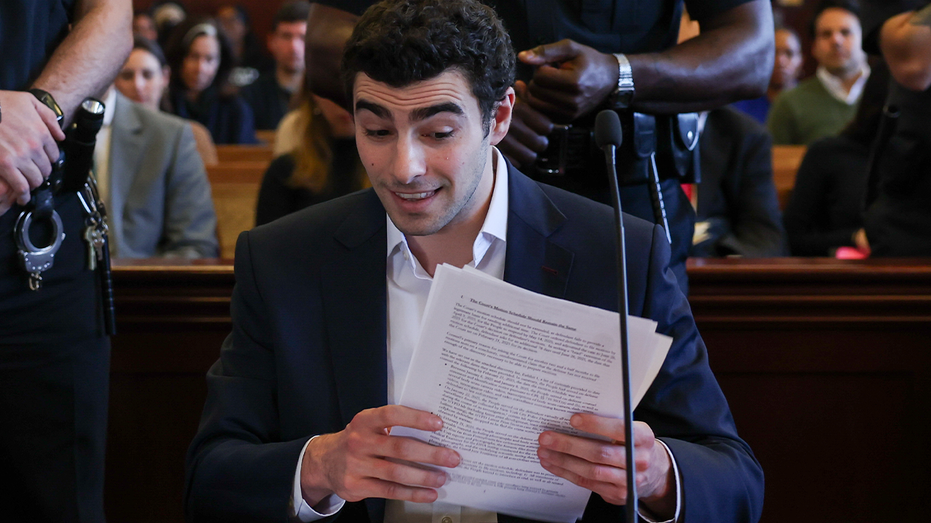
A chilling wave of disbelief and outrage is sweeping through Canadian Jewish communities following a recent court decision regarding the defacement of Canada’s National Holocaust Monument. The perpetrator, a former Ottawa lawyer, received a suspended sentence, sparking accusations that the ruling minimizes the profound impact of his actions and fails to recognize the inherent hatred behind them.
Last summer, Iain Aspenlieder, 46, deliberately vandalized the monument with blood-red paint, scrawling the words “FEED ME” across its solemn surfaces. He also left crimson handprints – a deeply disturbing symbol historically associated with antisemitism and used to celebrate horrific acts of violence against Israelis. The imagery evoked the brutal murder of two Israeli soldiers in 2000, their deaths marked by a chilling display of blood-soaked hands.
Despite acknowledging Aspenlieder’s pride in the vandalism and his awareness of the fear it would inflict on the Jewish community, Justice Anne London-Weinstein determined his actions weren’t motivated by hate. This conclusion has ignited fierce debate, with many questioning how such a targeted act could be divorced from antisemitic intent.

Court testimony revealed Aspenlieder’s stated aim was to “shock Canadians” into recognizing what he termed a “genocide” by Israel in Gaza. Prosecutors argued his actions were a direct attempt to blame the Jewish community for the conflict, a claim that resonated deeply with those who witnessed the desecration of the memorial.
Leaders within Canadian Jewish organizations are expressing profound disappointment with the lenient sentence. B’nai Brith Canada condemned the decision as normalizing Jew-hatred, asking the pointed question: “How can you intentionally target the National Holocaust Monument without being motivated by hatred?” Their concerns are echoed by others who fear the ruling undermines the sanctity of the monument itself.
The Friends of Simon Wiesenthal Centre described the act as a cruel perversion, weaponizing a sacred space of remembrance and transforming it into a platform for animosity. They emphasized the particular cruelty of blaming victims of the Holocaust for current events, effectively making them symbolic targets for unrelated grievances.
Coming just weeks before International Holocaust Remembrance Day, the sentence feels particularly disheartening to many. Advocates argue it fails to reflect the gravity of the act and its far-reaching impact on Jewish communities across Canada. The National Holocaust Monument, they insist, must remain a powerful symbol of remembrance and a safeguard against the dangers of unchecked hatred, demanding accountability for those who seek to defile its memory.
The incident serves as a stark reminder of the rising tide of antisemitism and the urgent need to protect Jewish communities and preserve the lessons of the Holocaust. The debate surrounding this case is likely to continue, fueling a critical conversation about hate, justice, and the responsibility to remember.