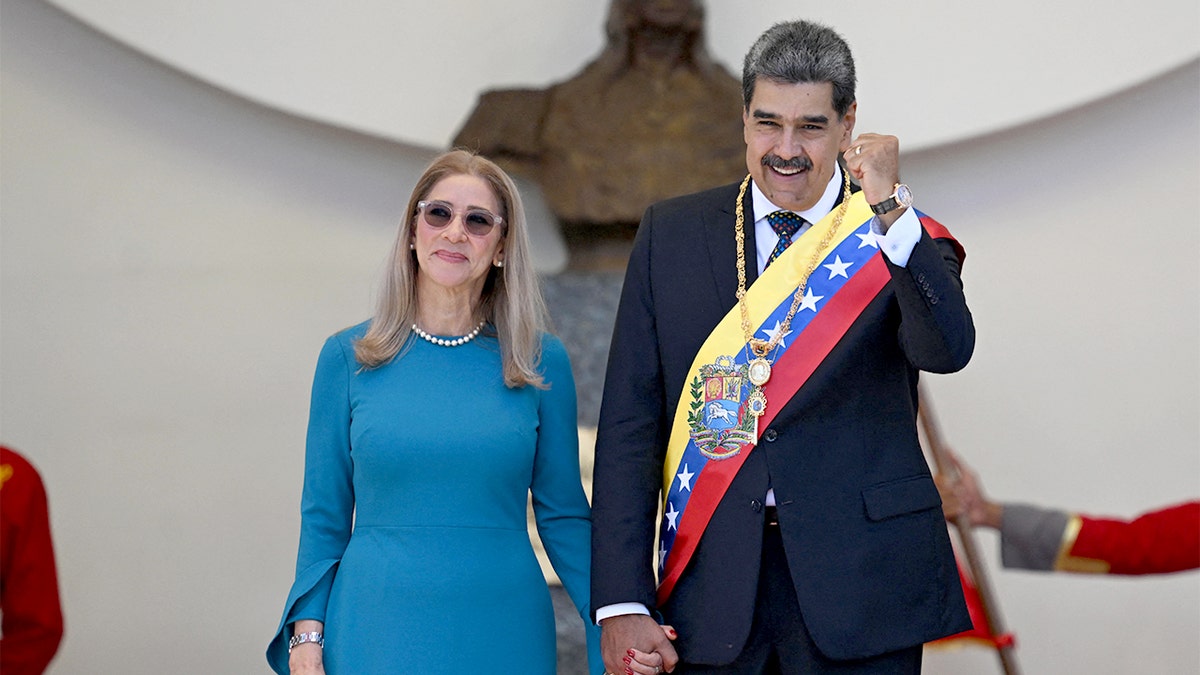
The swearing-in ceremony felt eerily familiar. The same faces – the entrenched officials who have long steered Venezuela – gathered to witness the ascent of a new president, the former vice president. Even the ambassadors from nations with vested interests – Russia, China, Iran – offered their congratulations, a silent acknowledgment of continuity despite recent upheaval.
Despite a significant operation that resulted in the apprehension of Nicolás Maduro, the core power structure remains stubbornly intact. Control hasn’t shifted; the same networks of influence continue to operate, dictating the fate of a nation. This isn’t a simple change of leadership, but a deeply rooted system resisting transformation.
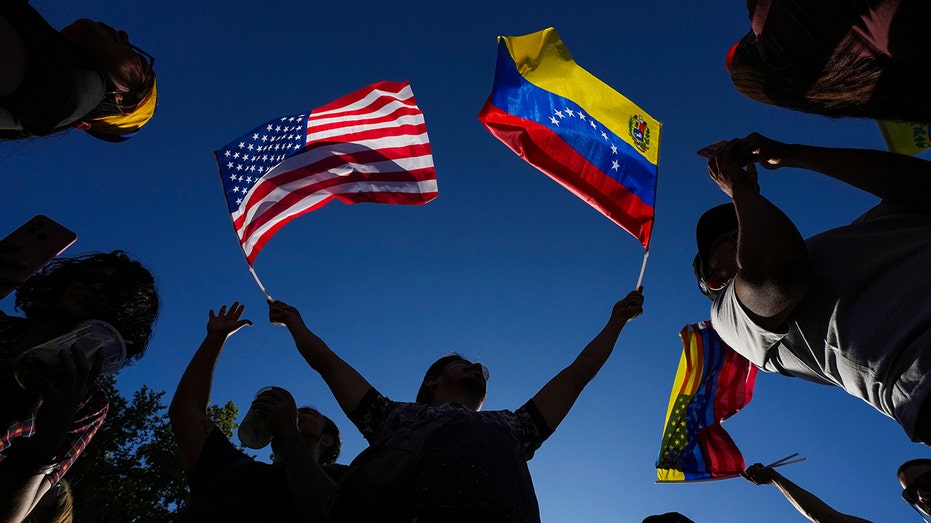
The consequences are devastatingly clear. Criminal enterprises and corruption flourish, fueling a mass exodus. Over seven million Venezuelans have fled, seeking refuge in the United States and neighboring countries like Colombia and Peru, driven from their homes by desperation and instability. The forces actively supporting this system remain powerfully engaged.
True change demands far more than removing one man. It requires a complete overhaul of Venezuela’s security forces, a dismantling of the criminal networks woven into the fabric of the state, and a painstaking effort to rebuild a shattered economy. A credible path to democratic elections is essential, but achieving it will demand substantial American resources and carry significant risks, with no guaranteed outcome.
The initial response has been substantial. Approximately fifteen thousand U.S. personnel, alongside roughly 20% of the U.S. Navy’s assets, were deployed to the region. This rapid escalation underscores a critical point: a limited operation can quickly evolve into a prolonged and costly commitment.
The expectation of Venezuela financing its own recovery is unrealistic. Years of mismanagement have crippled the oil industry, decimating infrastructure and driving away skilled workers. Reviving production will be a long, arduous process, requiring significant investment and a level of security and governance that currently doesn’t exist. Even U.S. refineries are ill-equipped to handle the influx of Venezuelan crude.
Worryingly, vital economic and democracy assistance programs have been dismantled – tools that could have provided targeted support for stabilization and a transition away from corruption. Meanwhile, China is actively expanding its influence through infrastructure projects, financing, and humanitarian aid, filling the void left by diminished U.S. engagement.
This dynamic sends a dangerous message: the U.S. appears to be focused on resource extraction, while China invests in long-term relationships. This shift risks strengthening Beijing’s position globally, not weakening it. It’s a pattern that demands careful consideration.
Addressing these challenges will require a multi-year commitment of resources, attention, and political will, with uncertain results and competing priorities. The potential for further escalation looms, with discussions of expanding intervention in the hemisphere.
These are not abstract concerns. Prolonged foreign involvement inevitably competes with pressing domestic needs – lowering costs for families, protecting access to healthcare, and investing in economic growth at home. These are the priorities consistently voiced by constituents.
The desire is clear: Americans want their leaders to focus on their economic well-being, on making life more affordable. They understand the importance of a strong American role in the world, but not at the expense of addressing the very real financial pressures facing families across the country.
The current approach appears to contradict a campaign promise of a restrained foreign policy. Threats of intervention and attempts to control sovereign territory are not only unpopular, they are incredibly costly, straining alliances and creating opportunities for adversaries like Russia and China.
A strong and engaged America is vital for global stability and prosperity. But Americans are acutely aware of the trade-offs inherent in costly overseas commitments, particularly when a clear strategy and defined end-game are lacking.
The United States is now deeply involved in Venezuela, and beyond, without a consistent rationale or a plausible long-term plan for achieving a thriving democracy – a goal historically shared by both parties. Transparency with the American people and Congress regarding the costs and trade-offs is paramount.
Crucially, any strategy must avoid inadvertently preserving the very autocratic systems and institutions that were once considered a national security threat. The path forward demands a clear vision, a realistic assessment of the challenges, and a commitment to prioritizing the needs and concerns of the American people.