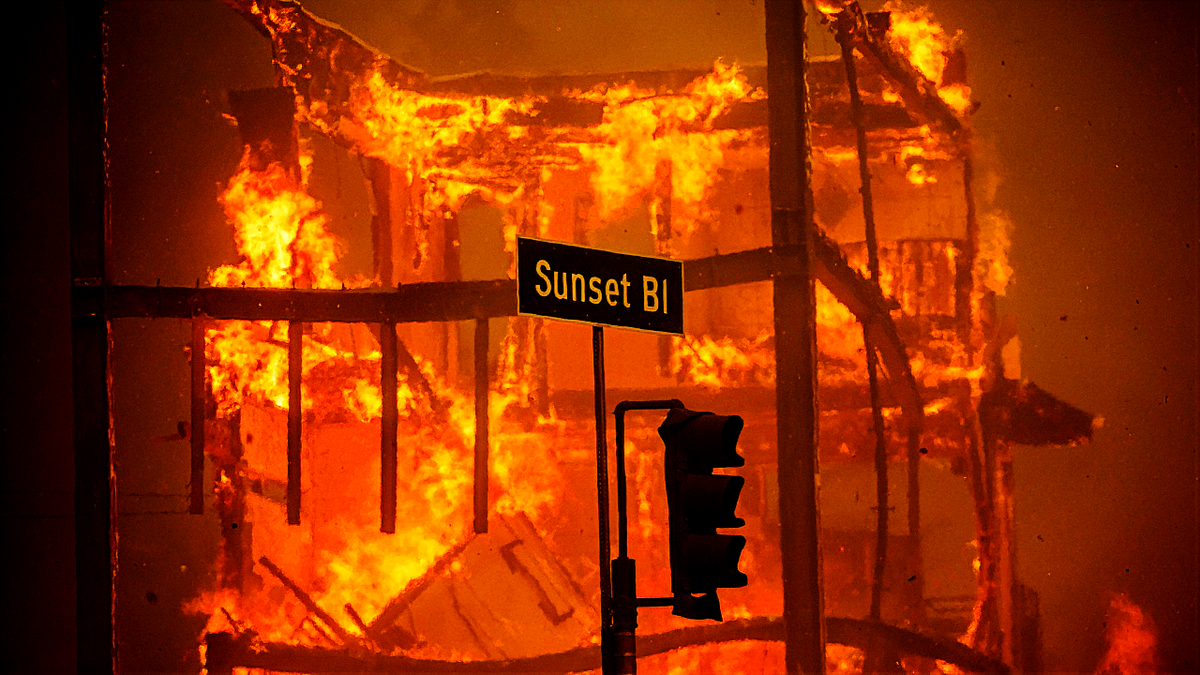
One year ago, a tragedy unfolded above Los Angeles. The Palisades Fire, initially a small brush fire, exploded into the city’s worst urban wildfire catastrophe, claiming a dozen lives and obliterating nearly 7,000 homes and businesses. The immediate blame fell on climate change, a convenient narrative in a warming world.
But a different, unsettling story is now emerging from legal battles waged by those who lost everything. Evidence suggests California’s own environmental policies inadvertently transformed a containable spark into an unstoppable inferno. Investigations revealed the Palisades Fire wasn’t a new ignition, but a “holdover fire” – a smoldering ember from New Year’s Eve that lay hidden, waiting.
For six days, the fire slept beneath the surface, nestled within the root systems of vegetation on state parkland. It waited for the inevitable arrival of the Santa Ana winds, and when they came, the consequences were devastating. The crucial question remains: why wasn’t the initial fire fully extinguished, and why wasn’t the area monitored with the urgency the escalating fire danger demanded?
The answer, according to court filings, lies within California State Parks’ own policies – policies that prioritized “plants over people.” Just weeks before the fire, a new Wildfire Management Plan for Topanga State Park designated vast zones as “avoidance areas,” shielding endangered plants and Native American archaeological sites.
Within these zones, traditional firefighting methods were severely restricted. Heavy equipment was forbidden. Fire retardant was limited. Even standard mop-up operations – extinguishing lingering hotspots – required the presence of an archeologist or resource specialist. The plan’s chilling preference: to “let Topanga State Park burn in a wildfire event.”
Text messages between State Parks employees during the initial fire reveal a coordinated effort to minimize firefighting impact on protected flora. One official urgently requested protection for an area, stating, “There is an endangered plant population and a cultural site in the immediate area.” Another quickly responded, “Can you make sure no suppression impacts at skull rock please?”
When a fire department supervisor proposed using bulldozers, the response was swift and unequivocal: “Heck no that area is full of endangered plants. I would be a real idiot to ever put a dozer in that area.” The fear of repercussions for harming endangered species – like Braunton’s milkvetch, for which Los Angeles previously paid $1.9 million in fines – paralyzed effective fire prevention.
This illustrates a disturbing reality: California’s environmental bureaucracy, tangled in procedural requirements, forces firefighters to navigate botanical checklists while communities burn. Disturbingly, evidence suggests a State Parks employee even instructed firefighters to *cover* portions of their containment line with brush, effectively undoing vital firebreaks.
The problem extends beyond firefighting restrictions. California has also drastically failed to address the dangerous buildup of fuel – the dry brush and overgrown vegetation – that transforms small fires into megafires. Governor Newsom pledged to treat one million acres annually by 2025, but the state is falling far short.
In 2024, only approximately 730,000 acres received treatment, significantly below the target. Prescribed burns, a crucial preventative measure, reached a mere 189,000 acres, far from the 400,000-acre goal. Meanwhile, wildfires continue to rage, burning an average of 1.3 million acres annually over the past decade.
Southern California, where the Palisades Fire began, has been particularly neglected. What’s the obstacle? The same regulatory hurdles that cripple firefighting efforts. Strict air quality rules limit prescribed burn windows, liability concerns discourage private landowners from clearing brush, and lengthy environmental reviews delay critical projects for years.
The very laws intended to protect California’s environment are now hindering the protection of its citizens from environmental disaster. Californians deserve a state that proactively reduces fuel loads, empowers firefighters, and prioritizes human life and property alongside environmental concerns.
Until fundamental changes are made, the next catastrophe isn’t a question of possibility, but of inevitability. The lessons of the Palisades Fire must be heeded before another community is consumed by the flames.