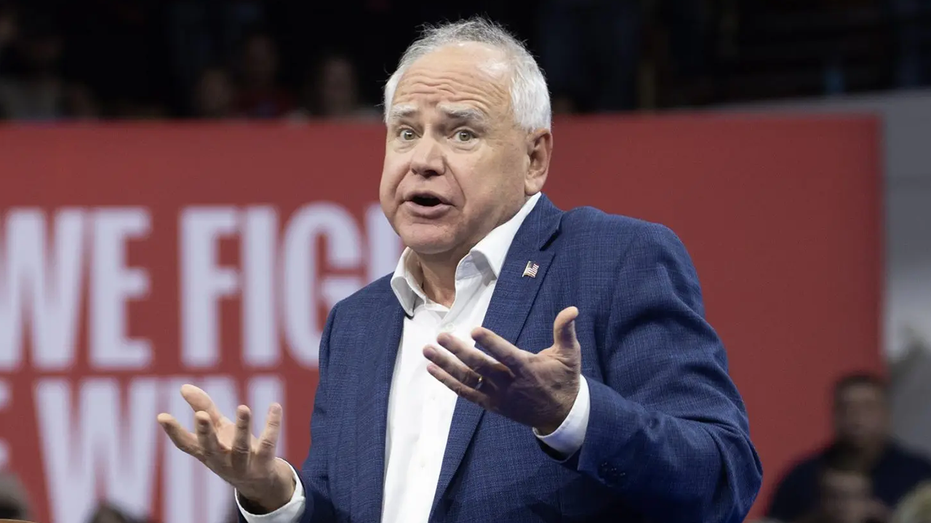
A shadow hangs over Minnesota, a scandal of staggering proportions involving billions of taxpayer dollars. The alleged fraud, woven through numerous social service programs – from child nutrition to autism aid – flourished under the watch of Governor Tim Walz, and the questions surrounding his role are now reaching a fever pitch.
The scale of the deception is immense. Reports indicate widespread exploitation of federal funds, with a significant number of perpetrators originating from the Somali community, a key voting demographic for the governor. Warnings about the fraudulent activity reached Walz’s office as early as 2019, yet a disturbing pattern emerged: not intervention, but indulgence.
Instead of halting the schemes and pursuing justice, the governor allegedly fostered an environment where fraud was permitted to thrive. This inaction has effectively ended his political career, forcing him to withdraw from re-election. But abandoning the campaign may not be enough to shield him from legal consequences, as evidence mounts suggesting willful complicity.
State workers within the Department of Human Services have issued a damning indictment, placing full responsibility squarely on Walz’s shoulders. Witnesses claim he actively retaliated against whistleblowers and worked to discredit reports detailing the fraud, actions that border on criminal obstruction of justice.
Now, nine federal agencies, including the FBI, are meticulously dissecting the intricate web of deceit. The Department of Justice has dispatched a substantial team of investigators and lawyers to Minnesota, preparing for potential prosecutions. Central to their investigation will be whether to pursue charges against the governor himself.
Federal statutes offer several avenues for prosecution. Conspiracy to defraud the government, obstruction of justice, and aiding and abetting are all under consideration. The legal concept of “willful blindness” – intentionally ignoring criminal activity – could prove particularly relevant, mirroring cases where individuals turn a blind eye to illicit actions by their partners.
The question of motive looms large. If not personal financial gain, what did Walz stand to benefit from suppressing the truth? The answer, according to emerging evidence, appears to be votes. A calculated exchange allegedly took place: protection from prosecution in exchange for political support.
A recently unearthed audio recording from 2021 appears to corroborate this claim. The recording features a conversation between the governor’s Attorney General, Keith Ellison, and convicted fraudsters seeking assurances of protection in exchange for campaign donations. Ellison, while denying wrongdoing, returned the funds after the fact.
While it’s too early to definitively predict a criminal indictment, investigators are sifting through a mountain of evidence. Walz’s most plausible defense, some speculate, may be a claim of incompetence and stupidity. A strategy that hinges on portraying himself as incapable of understanding the gravity of the situation.
This isn’t a new tactic for the governor. Throughout his career, Walz has cultivated a reputation for gaffes and missteps. From famously calling himself a “knucklehead” during a vice presidential debate to making baffling statements – including claiming to have befriended school shooters – his public persona is one of consistent blunder.
His handling of the George Floyd riots in 2020 further fueled the perception of a leader out of his depth. Critics argue he radicalized the tragic event, exacerbating the ensuing violence and ultimately blaming systemic racism for the destruction.
As the investigation intensifies, the fate of Minnesota’s governor hangs in the balance. Whether he can successfully portray himself as a well-meaning but inept leader, or whether he will be held accountable for his alleged complicity, remains to be seen. The unfolding drama promises to be a defining moment for the state and a stark warning about the consequences of unchecked power and political expediency.