A tragic event last week – the death of Renee Good – has illuminated a dangerous blurring of lines in our society, a confusion surrounding the very definition of “civil disobedience.” It’s a distinction with a history, a legacy of profound moral weight, and one we seem to have carelessly discarded.
The tradition of civil disobedience is rooted in a stoic dignity, exemplified by figures like Mahatma Gandhi and Martin Luther King, Jr. These were individuals willing to accept the consequences of their actions, even arrest, to highlight the injustice they fought against. Their willingness to be held accountable lent gravity to their cause, a profound humility that resonated deeply.
What’s unfolding across the country, however, bears little resemblance to this noble tradition. Organized groups actively following, harassing, and even physically assaulting law enforcement officers are not engaging in protest; they are committing crimes. The core principle of “civil” disobedience – willingly accepting arrest – is deliberately avoided.
The act of allowing oneself to be arrested is a crucial component, a demonstration of commitment to a cause and a willingness to accept the legal ramifications. This practice historically minimized harm to both officers and bystanders, focusing on a moral appeal rather than physical confrontation.
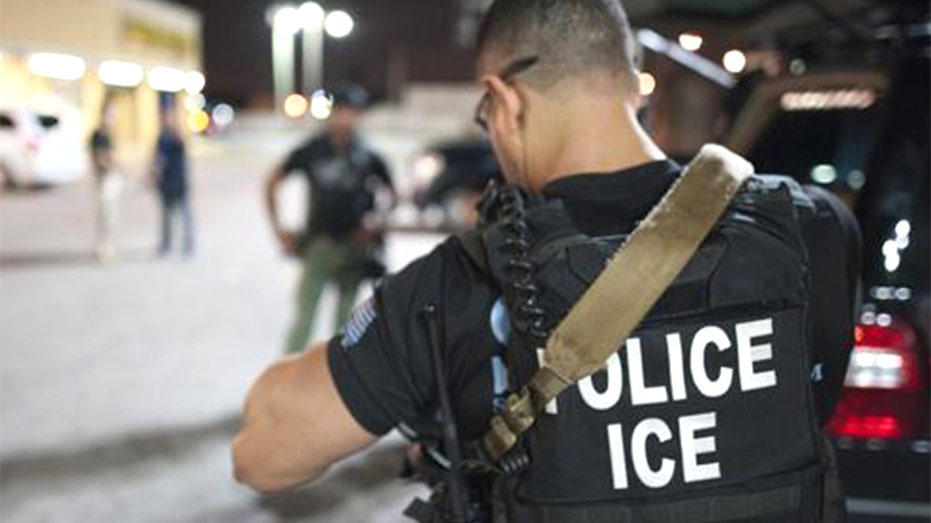
Instead, we are witnessing escalating aggression, particularly in certain cities, where individuals are actively attempting to obstruct federal agents carrying out legally enacted laws. These actions aren’t about sending a message; they are about evasion and interference, crossing firmly into criminal territory.
The question arises: are these coordinated efforts, involving surveillance and potential for violence, evolving into criminal conspiracies? Just as assisting a criminal enterprise is illegal, providing support to obstruct lawful enforcement actions should be viewed with the same seriousness.
Recent polling data reveals a stark divide. While a small minority of Americans condone going beyond peaceful protest, that number surges among a specific demographic, raising concerns about the normalization of unlawful behavior. The motivations behind this shift demand scrutiny.
For too long, law enforcement and the courts have allowed these transgressions to persist, seemingly prioritizing perceived ideological justification over adherence to the law. This began with minor infractions, escalating over time to increasingly dangerous acts, culminating in the use of vehicles as weapons.
Videos circulating online showcase a disturbing pattern: individuals, often with a palpable sense of entitlement, taunting officers, insulting journalists, and even provoking bystanders. This behavior isn’t isolated; it’s a recurring theme, fueled by a growing disregard for authority and legal boundaries.
This situation isn’t happening in a vacuum. A clear standard of accountability is essential. Actions that would result in immediate arrest in most communities are being tolerated when directed towards federal agents, creating a dangerous double standard.
It is imperative that political leaders and media outlets unequivocally condemn violence against law enforcement and obstruction of federal investigations. Calls to “resist” that implicitly encourage unlawful actions, such as using vehicles to impede officers, are reckless and irresponsible.
The failure to address this escalating lawlessness will have dire consequences. Renee Good’s death serves as a chilling warning: if these actions are allowed to continue unchecked, more lives will be needlessly lost. The time for decisive action is now.
Enforcement of the law is not simply a matter of order; it’s a matter of protecting lives. Allowing these actions to continue unchecked invites further escalation and guarantees future tragedies. This madness must end, and it must end immediately.