The news broke on Christmas Day: U.S. forces launched precision strikes within Nigeria, targeting Islamist terrorists responsible for a brutal campaign against Christians and other civilians. The action thrust Nigeria into the international spotlight, revealing a conflict largely unknown to many Americans.
Just a week prior, I stood within the walls of the Christian Reformed Church of Nigeria in Abuja, kneeling in prayer alongside a congregation that, in that moment, felt remarkably like home. Children shifted restlessly, families raised their voices in song – a scene mirroring countless churches across the United States.
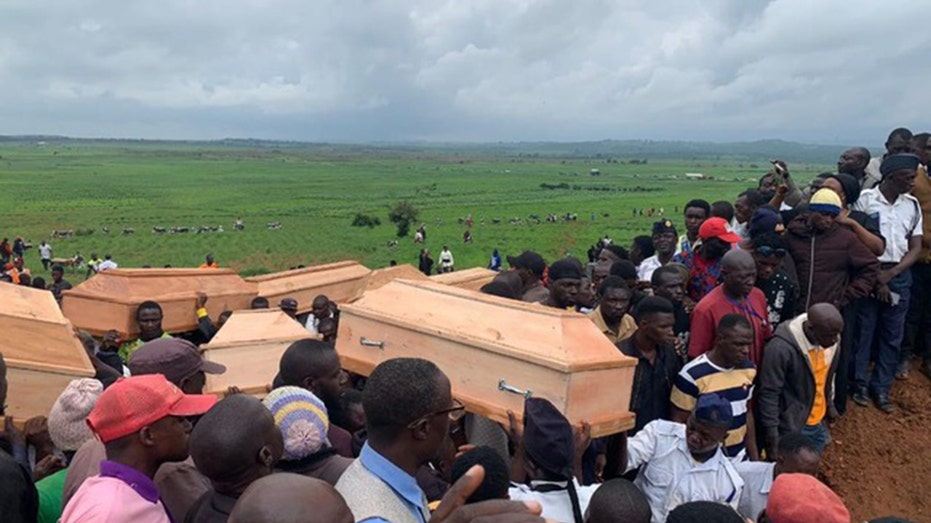
But this tranquility masked a terrifying reality unfolding just hours away. In the nation’s middle belt, Christian farmers lay down to sleep each night haunted by the fear of raids, church burnings, and the abduction or murder of loved ones. This stark contrast – peace in the capital, terror in the countryside – was the driving force behind our congressional delegation’s visit.
We listened to faith leaders, both Christian and others, recount the daily struggle of living under constant threat. The numbers are staggering: records suggest over 7,000 Christians were killed in a single year, and more than 19,000 churches have been attacked or destroyed. Since 2009, reports indicate over 52,000 Christians have lost their lives.
Nigeria’s significance extends far beyond its borders. As Africa’s most populous nation, it’s projected to surpass the United States in population before 2050, reaching 400 million people. Rich in oil, minerals, and rare earths, its potential is immense, yet political instability continues to hinder its progress.
While the Christmas headlines will fade for most Americans, the crisis in Nigeria will not. The country is battling a complex web of violence, ranging from criminal gangs to extremist groups like Boko Haram and ISIS-linked terrorists in the Northeast. Closer to the heartland, Fulani jihadi militias systematically terrorize rural communities, displacing families and destroying livelihoods.
The Nigerian government faces daunting challenges. Disarming the Fulani militias, prosecuting their leaders, and providing security for vulnerable farmers represent a crucial test of political will. The fight against Boko Haram and ISIS requires a more sustained and comprehensive effort, targeting an entrenched network with international connections.
Our meetings with Nigerian officials revealed a security apparatus stretched thin, struggling to secure the core areas while violence persists in the periphery. The solution isn’t solely military; it demands good governance, accountability, and a restoration of public trust.
America doesn’t need to be the world’s policeman, but ignoring genuine terrorist threats is not an option. Strategic U.S. engagement – enhanced intelligence sharing, disrupting terrorist financing, and supporting security force reforms – is vital.
There’s a lesson to be learned from Israel’s unwavering commitment to retaliate against those who target its citizens. We must demonstrate the same resolve in defending Christian communities, backing our words with decisive action when necessary.
The Christmas strike served as a stark reminder that jihadist terror is expanding, and Nigeria stands on the front lines. Religious freedom is a principle worth defending, and America can no longer afford to look away. Nigeria’s leaders must prioritize the protection of their communities, end impunity, and demonstrate their ability to govern effectively.