Iran isn't simply weathering another round of protests; it’s confronting a crisis that strikes at the very foundation of the Islamic Republic, casting its survival into genuine doubt for the first time in decades. What began as demonstrations fueled by economic hardship and corruption has rapidly evolved into a direct challenge to the authority of the ruling clergy.
The response has been brutal. Security forces are employing live fire, enacting mass arrests, and imposing suffocating communications blackouts. Reports indicate hundreds killed and thousands detained, yet the regime actively works to suppress even evidence of its own actions through widespread internet shutdowns.
This isn’t new territory for Iran. What *has* changed is the shifting strategic landscape and a growing conviction among Iranians that the entire system is failing them. A sense of desperation, coupled with a loss of faith, is taking hold.
However, it’s crucial to understand the mindset of Iran’s leaders. They don’t view themselves as typical autocrats clinging to power. Their ideology is rooted in a profound belief that they are enacting the will of God.
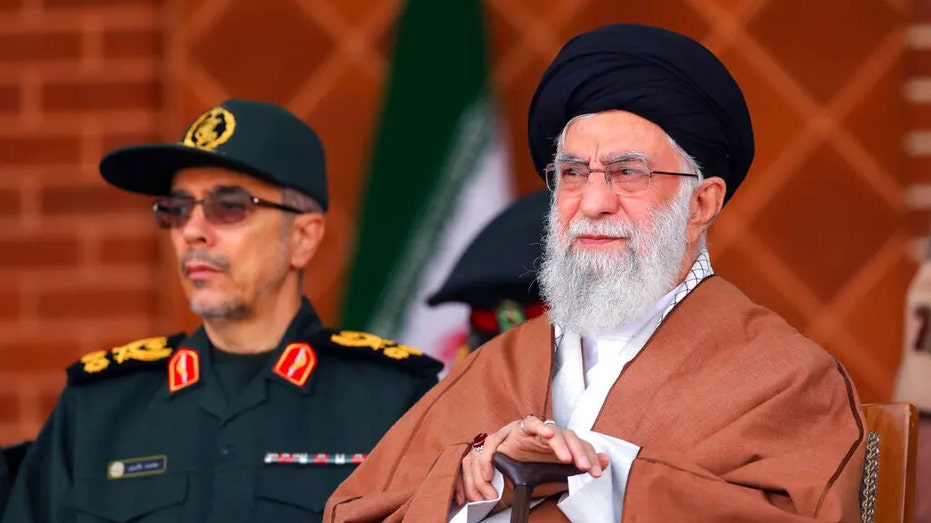
Since 1979, the Islamic Republic has justified its authority through the doctrine of *velayat-e faqih* – the rule of the Islamic jurist. Supreme Leader Ayatollah Ali Khamenei isn’t merely a political leader; he is considered the guardian of a revolution believed to be divinely ordained.
This theological framework fundamentally shapes the regime’s response to dissent. When security forces open fire on crowds, they aren’t suppressing political opposition; they are crushing what they perceive as heresy and rebellion against God’s order. Protesters are routinely branded “corrupt on earth,” a term historically used to justify severe punishment according to the Quran.
Public condemnation and moral appeals alone will not sway Tehran. Its leaders embrace endurance, sacrifice, and violence as virtues, particularly when used to defend the revolution. They are prepared for a protracted struggle.
Even regimes built on unwavering religious conviction can crumble when their power structures begin to fracture. Iran has faced significant unrest before, notably the 2009 Green Movement and the 2022 protests sparked by the death of Mahsa Amini. Each time, the regime managed to maintain control.
But this moment feels different. The economic situation is far more dire, with sustained currency devaluation, rampant unemployment, and crippling inflation decimating the middle class and eroding the regime’s legitimacy. This economic despair is compounded by a severe water crisis, crippling agriculture and fueling unrest across multiple provinces.
Furthermore, Iran’s external deterrence has been weakened. Recent conflicts, particularly the war in 2025, inflicted real damage, resulting in the deaths of senior commanders and breaches in air defenses. The carefully cultivated image of Iranian invulnerability has been shattered.
Even Iran’s network of proxy groups is showing signs of strain. Hamas has been devastated, Hezbollah faces increasing domestic pressure in Lebanon, and the Houthis remain isolated. The so-called “axis of resistance” appears less like an unstoppable force and more like a series of costly liabilities.
The most critical factor, however, lies within Iran itself: the coercive apparatus of the regime is under immense stress. The future of Iran will be decided by the loyalty and effectiveness of two key institutions: the Islamic Revolutionary Guard Corps (IRGC) and its paramilitary arm, the Basij.
The Basij functions as a nationwide network of population control and internal surveillance. Embedded in communities, universities, and workplaces, they monitor dissent, identify protest organizers, and swiftly intimidate or detain them – often before demonstrations can even gain momentum. Their strength lies in their omnipresence and unwavering ideological loyalty.
During past unrest, the Basij played a crucial role in suppressing resistance through beatings, arrests, and close coordination with IRGC security forces. Their mission is to control dissent at the local level, preventing it from escalating into a national movement. If they falter, the regime’s grip weakens considerably.
The IRGC, in contrast, controls the military and operates as a vast economic empire. Beyond internal security, they oversee missile forces, regional proxies, and external operations, defending the revolution abroad. They have deeply embedded themselves in Iran’s key industries – energy, construction, finance – controlling entire sectors of the economy.
This creates a dangerous tension. The IRGC has benefited immensely from its relationship with the regime, but prolonged instability and economic collapse threaten the very assets they control. At some point, self-preservation may outweigh ideological loyalty.
The future of Iran may hinge less on the actions of protesters in the streets and more on the decision the IRGC ultimately makes. Three potential outcomes are emerging.
The first is outright repression. The Basij could maintain local control while the IRGC backs the Supreme Leader, crushing dissent through overwhelming force. This would preserve the Islamic Republic, but at the cost of deeper isolation and long-term decay.
The second is continuity without clerical dominance. A “soft coup” could sideline aging clerics in favor of a military-nationalist leadership, preserving core power structures while shedding the regime’s most unpopular religious figures. The system would remain authoritarian, but fundamentally altered.
The third, and most transformative, is fracture. If parts of the Basij splinter or stand aside, and the IRGC hesitates to intervene broadly, the regime’s internal control could unravel rapidly. This is the least likely outcome, but the most favorable for long-term regional stability.
Revolutions don’t succeed because crowds grow larger; they succeed when security forces refuse to obey orders. The moment of truth for Iran is approaching.
A measured approach is essential. The goal shouldn’t be to “run Iran” or impose a new leader, but to prevent Iran from acquiring nuclear weapons, end its support for terrorism, and encourage a government that derives legitimacy from its people.
This requires a strategy of pressure without provocation. Relentlessly expose repression, support Iranians’ access to information, and target the regime’s enforcers – not the public – with sanctions. Signal consequences for violence while offering off-ramps for those who refuse unlawful orders.
Deter external escalation and avoid handing Tehran propaganda victories. Support the Iranian people, isolate the perpetrators of violence, and allow the regime to own its crimes. Iran’s leaders believe they are carrying out divine will, making them dangerous and stubborn, but not immortal.
Every revolutionary regime eventually reaches a point where fear loses its power, money runs out, and loyalty fractures. Iran may be nearing that moment. If the Guards choose to stand with the people rather than the clerics, Iran could finally turn a new page. If they don’t, repression will prevail – for a time. The world must be prepared for either outcome.