A chilling echo of the Cold War has resurfaced in the Caribbean, as a direct confrontation brews between the United States and Cuba. The catalyst: a dramatic shift in power in Venezuela and a ruthless cutting off of vital resources to the island nation.
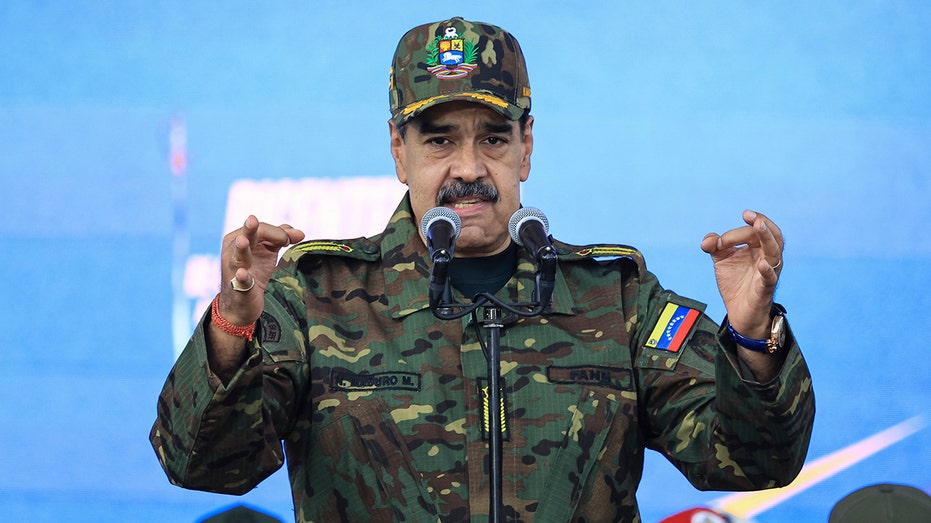
Former President Trump issued a stark ultimatum to Cuba – “make a deal,” he demanded – after severing its access to Venezuelan oil. This move followed a swift operation that led to the capture of Nicolás Maduro, a long-time ally of Cuba, and a complete disruption of the oil lifeline that had sustained the Cuban economy for years.
Cuba, already grappling with its most severe economic crisis in decades – marked by crippling blackouts, empty supermarket shelves, and desperate fuel shortages – now faces an even more precarious future. Trump bluntly declared, “There will be no more oil or money going to Cuba – ZERO!”

The response from Havana was immediate and defiant. President Miguel Díaz-Canel vowed to defend Cuba “until the last drop of blood,” asserting the nation’s sovereignty against what he characterized as decades of U.S. aggression. He accused the U.S. of prioritizing profit over human life and lacking the moral standing to criticize Cuba.
The Cuban government reported the loss of 32 military personnel during the operation in Caracas, revealing a deeper level of involvement in Venezuela than previously known. These personnel were part of a security agreement between the two nations, now rendered obsolete by the changing political landscape.
Trump, however, framed the situation as a liberation for Venezuela, proclaiming that the nation now has “the most powerful military in the World” – the United States – to protect it. He even playfully suggested that his Secretary of State, Marco Rubio, might one day become president of Cuba.

Díaz-Canel vehemently rejected the notion of external interference, accusing those who criticize Cuba’s political model of being enraged by the nation’s independent choices. He also condemned the U.S. embargo as a primary driver of the economic hardships faced by the Cuban people.
Trump predicted a swift and devastating economic collapse for Cuba, stating bluntly, “It’s going down. It’s going down for the count.” This assessment came as Nobel Peace Prize organizers clarified that the award cannot be revoked, responding to Trump’s suggestion of transferring the prize won by a Venezuelan pro-democracy advocate to Maduro’s rival.
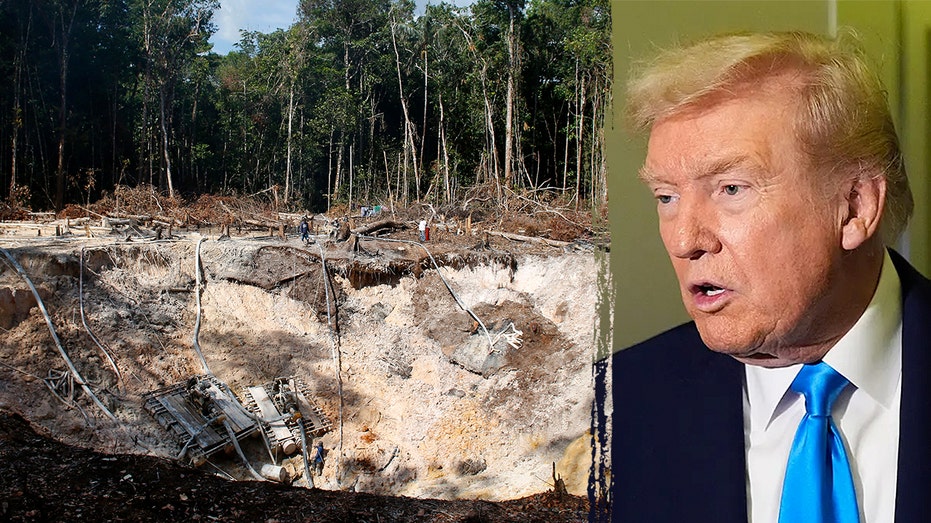
The future of Venezuela itself hinges on its vast oil reserves – estimated at over 300 billion barrels – which previously flowed to China, Europe, and the United States. Trump envisions American oil companies investing billions to revitalize Venezuela’s dilapidated infrastructure and capitalize on its resources.

Secretary of State Rubio outlined a clear objective: to implement policies that benefit the United States, while also aiming to improve the lives of the Venezuelan people who have endured years of hardship. The stage is set for a dramatic reshaping of the region, with the potential for escalating tensions and profound consequences.