A seismic shift is underway in the Middle East. As Iran’s influence wanes, a power vacuum is forming, and Saudi Arabia is boldly stepping forward to reshape the regional landscape.
For decades, Saudi Arabia and Iran have been locked in a struggle for dominance across the Muslim world. But a new era has begun, fueled by the ambitious vision of Crown Prince Mohammed bin Salman and a growing sense of frustration with traditional alliances.
Riyadh’s recent actions, from diplomatic overtures in Yemen to strengthening ties with Turkey, are prompting a critical reassessment of its relationship with the United States. The kingdom is charting a course increasingly independent of Washington’s direction.
Evidence of this recalibration is mounting. Turkey is reportedly seeking inclusion in a mutual defense pact originally forged between Saudi Arabia and Pakistan, signaling a deepening strategic alignment.
Years of perceived unmet expectations from the U.S. have contributed to this shift. Previous administrations, it’s argued, failed to adequately address threats to Saudi security, such as repeated attacks by the Houthi rebels.
The current administration’s decision to remove the Houthis’ designation as a terrorist organization proved to be a pivotal moment. It was viewed by some in Riyadh as a deliberate snub, prompting a search for alternative security guarantees.
This search has included cautious engagement with both Russia and China, not necessarily driven by ideological alignment, but by a pragmatic need to diversify partnerships and secure its interests.
Saudi officials insist their foreign policy is rooted in practical considerations – stability and development – rather than ideological preferences. The recent thaw in relations with Turkey, for example, is presented as a move towards de-escalation and regional peace.
This new approach has already yielded tangible benefits, increasing Riyadh’s flexibility in engaging with regional powers and fostering expanding economic cooperation.
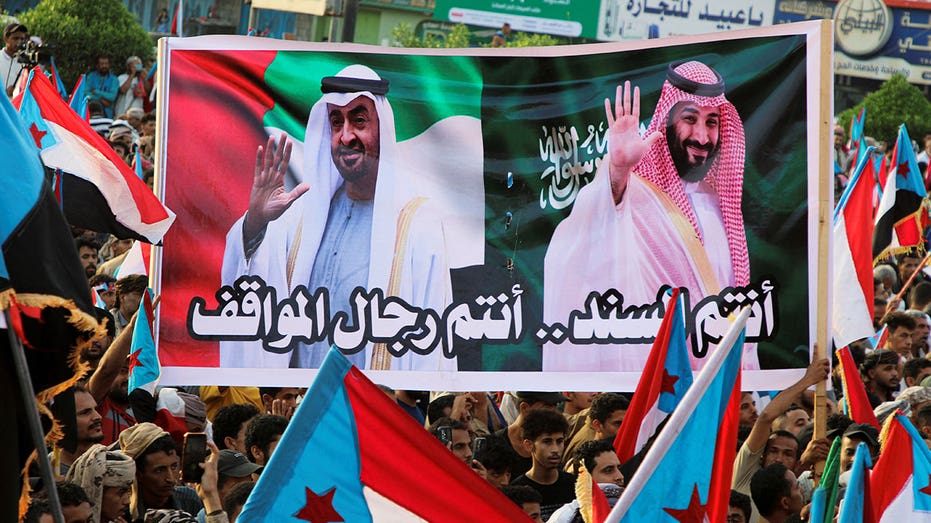
The most visible manifestation of these shifting dynamics is unfolding in Yemen. The fragile alliance between Saudi Arabia and the United Arab Emirates, initially formed to counter Iranian influence, is fracturing.
While both nations intervened to curb Iran’s reach, their strategies diverged. Saudi Arabia advocates for a unified Yemen, fearing fragmentation will empower Iran, while the UAE has supported southern separatists, prioritizing control of key strategic areas.
Recent clashes have seen Saudi-backed forces largely reclaim territory from UAE-supported separatists, with reports suggesting the separatist leader has sought refuge in the UAE, highlighting a deepening rift.
Some analysts warn that Saudi Arabia’s support for certain factions in Yemen could inadvertently strengthen extremist groups like al-Qaeda, creating a dangerous long-term consequence.
Others argue that the real complication stems from the UAE’s backing of separatist movements, which undermines the anti-Houthi front and ultimately benefits Iran.
As Iran’s power diminishes and Saudi Arabia asserts itself, Washington is left with a crucial question: will this evolving regional order reinforce stability, or will it fundamentally alter the balance of power, challenging the foundations of a decades-long partnership?