Senator Lindsey Graham proposed a forceful response to the ongoing unrest in Iran, suggesting that former President Trump’s support for anti-regime protestors should extend beyond words to include direct, disruptive action.
Graham framed Trump as a more assertive leader than his predecessors, specifically contrasting him with President Obama on matters of national security. He described Trump as “Reagan Plus,” implying a willingness to confront adversaries with unwavering resolve.
The senator characterized the Iranian government as a dangerous force, equating its ideology to Nazism and accusing it of supporting terrorism and harming American interests. He asserted that the regime’s downfall hinges on both the courage of Iranian protestors and decisive intervention.
Graham outlined a strategy he believes would cripple the Iranian regime, advocating for a multi-pronged assault. This “help” would consist of “military, cyber and psychological attacks” designed to dismantle the infrastructure used to suppress dissent.
He envisioned a campaign focused on destroying the regime’s capacity to harm its own people and targeting those directly responsible for the violence. Graham predicted a swift end to the suffering of the Iranian population with the implementation of this strategy.
These statements followed a declaration from Trump himself, who vowed that those responsible for the deaths of protestors would face consequences. He announced the cancellation of all meetings with Iranian officials until the crackdown ceased, offering a message of solidarity to those on the streets.
Trump’s message, delivered on social media, urged Iranian citizens to “take over your institutions” and promised retribution for those who committed abuses. He cryptically stated that “help is on its way,” leaving the specifics deliberately ambiguous.
When pressed for clarification during a visit to a Ford factory, Trump offered only a vague response, stating that the nature of the “help” would have to be “figured out.” This ambiguity fueled speculation about the potential scope of U.S. involvement.
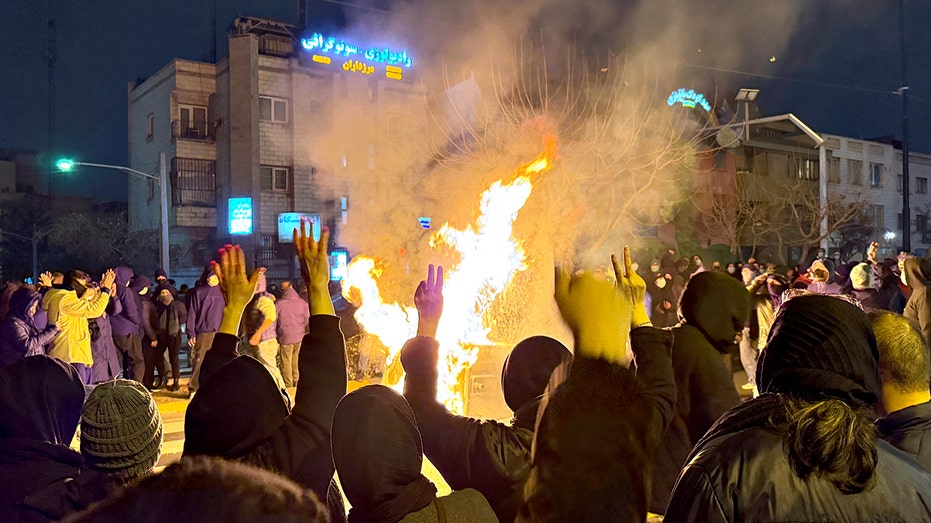
The situation on the ground in Iran remains dire. Reports indicate at least 646 protestors have been killed, with estimates suggesting the actual death toll could exceed 3,000 as more information emerges from the region.
The escalating violence and the calls for intervention highlight the growing international concern over the future of Iran and the fate of its people, caught in a struggle against a government accused of brutal repression.