A shadow of concern fell over the White House ballroom project as details emerged regarding substantial donations from major corporations. The project, initiated in October 2025, involved the controversial demolition of the historic East Wing to make way for a privately funded, $300 million ballroom.
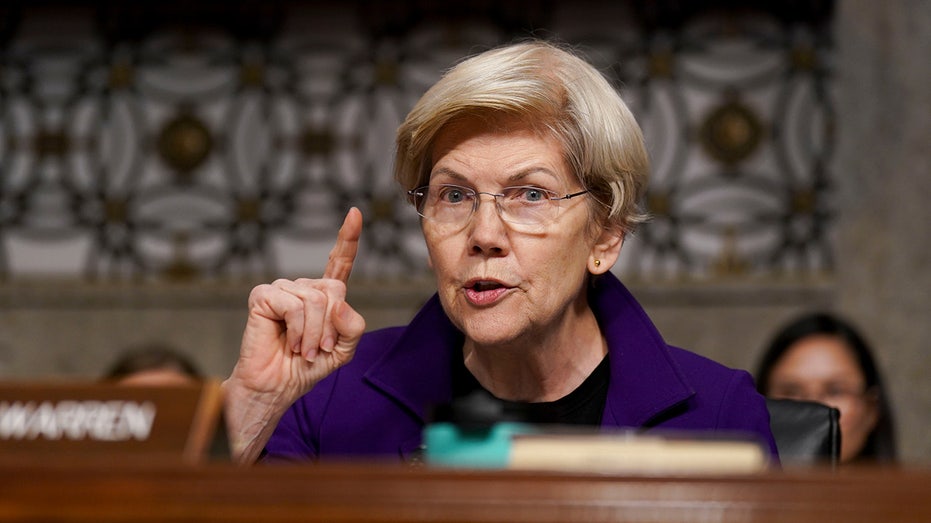
Senator Elizabeth Warren and other lawmakers initiated inquiries, questioning whether these generous contributions were made with an expectation of favorable treatment from the administration. The sheer scale of the project – and its reliance on private funds – fueled suspicions of potential influence peddling.
Microsoft revealed that they were approached by a fundraiser regarding a possible donation, receiving detailed information about the donation process and an invitation to an exclusive dinner for supporters. Ultimately, Microsoft contributed funds to the Trust for the National Mall, specifically earmarked for the ballroom’s construction.
In a letter to lawmakers, Microsoft counsel Karen Christian stated the company believed the project would benefit future administrations, allowing the White House to adequately host guests for years to come. They framed their contribution as a patriotic effort to modernize a historic landmark.
Amazon’s involvement mirrored Microsoft’s, with initial contact from fundraisers in August 2025 discussing potential donation amounts and the donor dinner. They coordinated their payment through the Trust for the National Mall and attended the project’s launch event.
Amazon’s vice president of public policy, Brian Huseman, emphasized their commitment to preserving national heritage as the reason for their donation, stating they did not review construction plans or enter into any specific agreements tied to their contribution. They simply wished to be recognized as a supporter.
These revelations prompted lawmakers to propose the “Stop Ballroom Bribery Act,” a measure designed to prevent conflicts of interest and curb potential bribery. The act would bar donations from entities with conflicting interests and restrict lobbying activities for a period of two years following a donation.
The proposed legislation also seeks to eliminate the public display of donor names, removing any appearance of preferential treatment. It would require clearance from both the National Park Service and the Office of Government Ethics before any donation is accepted.
This ballroom project is just one of several renovations undertaken during the current administration. Previous changes included adding gold accents to the Oval Office and a complete overhaul of the Rose Garden, further highlighting a pattern of significant alterations to the White House’s historic fabric.
The unfolding situation raises fundamental questions about the appropriate role of private funding in the maintenance and renovation of the nation’s most iconic building, and the potential for undue influence on the highest office in the land.