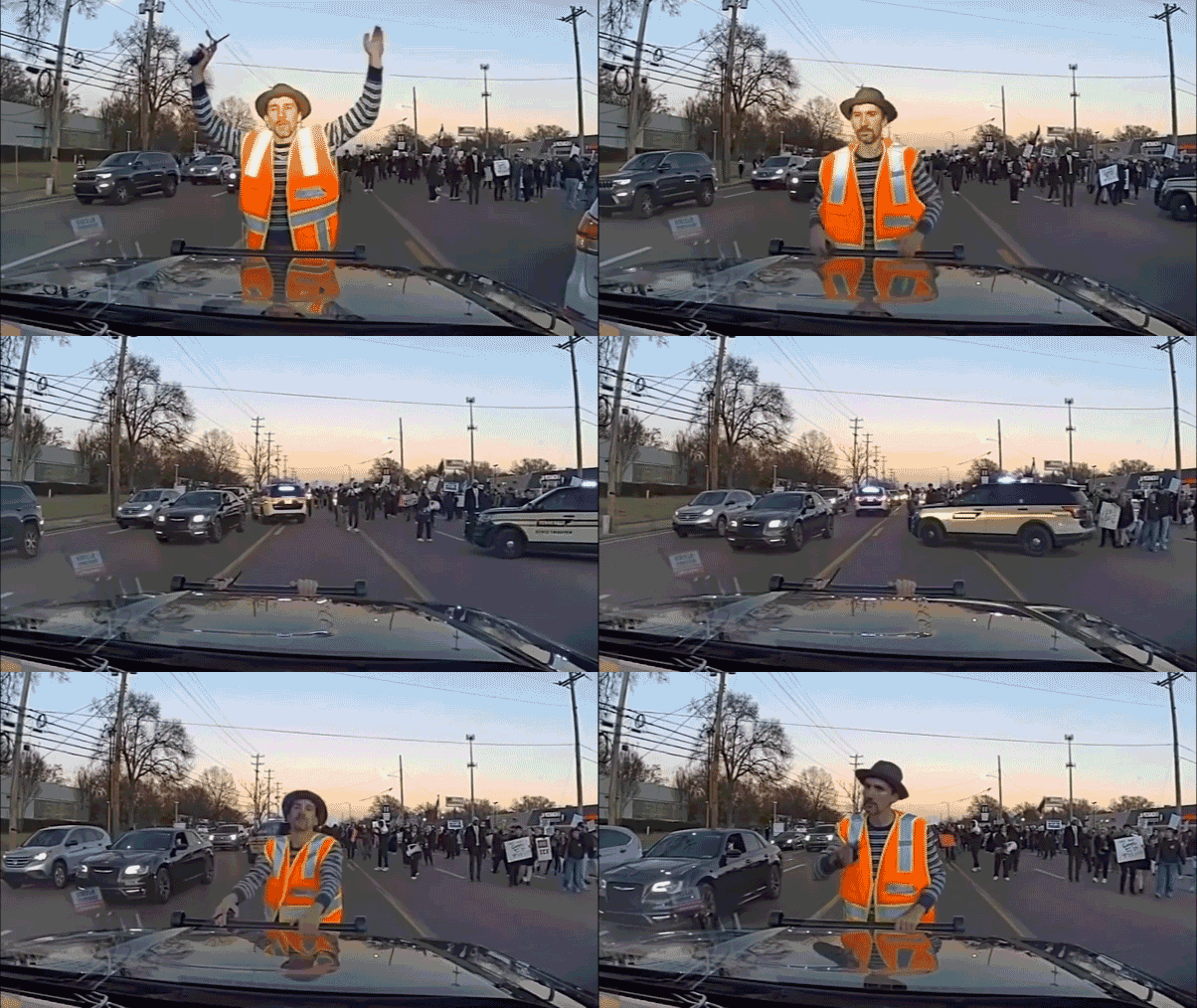
A dramatic scene unfolded in Memphis, Tennessee, captured on a Tennessee Highway Patrol trooper’s dashcam. A protester deliberately positioned himself in front of a moving patrol car, initiating a sequence of events that quickly ignited controversy online.
The video reveals the trooper carefully maneuvering around a group of demonstrators. Suddenly, a man wearing a bright orange vest and clutching a radio stepped directly into the vehicle’s path from behind a white SUV.
The trooper immediately issued urgent commands: “Move! Get out of my way! Move!” But the protester responded with a defiant gesture, shaking his head and raising a finger as if to halt the trooper’s progress.
In a calculated move, the protester then grabbed the patrol car’s push bars and deliberately fell backward, creating the illusion of being struck by the vehicle. The act was meticulously performed, designed to appear as a forceful impact.
He quickly recovered, raising his finger again in a pointed gesture toward the trooper before calmly walking back to his vehicle. The incident was immediately recorded and shared widely on social media platforms.
False narratives rapidly spread, alleging the trooper had struck the protester. The Tennessee Highway Patrol swiftly responded, firmly debunking these claims with the release of the complete dashcam footage.
The agency emphasized its commitment to protecting the right to peaceful protest, but underscored that this right does not extend to endangering oneself or obstructing active roadways. The video clearly demonstrated the protester’s actions were staged.
“At no point does the video show the individual being run over or injured,” the agency stated, directly refuting the circulating misinformation. The protester left the scene uninjured and under his own power.
The Highway Patrol reiterated that its primary concern is the safety of everyone involved – protesters, motorists, and its own officers. Entering a roadway presents an immediate and serious hazard.
Troopers receive extensive training to navigate such situations, prioritizing the prevention of injuries and ensuring the best possible outcome when confronted with dangerous obstructions. The incident serves as a stark reminder of the potential for misrepresentation in the digital age.