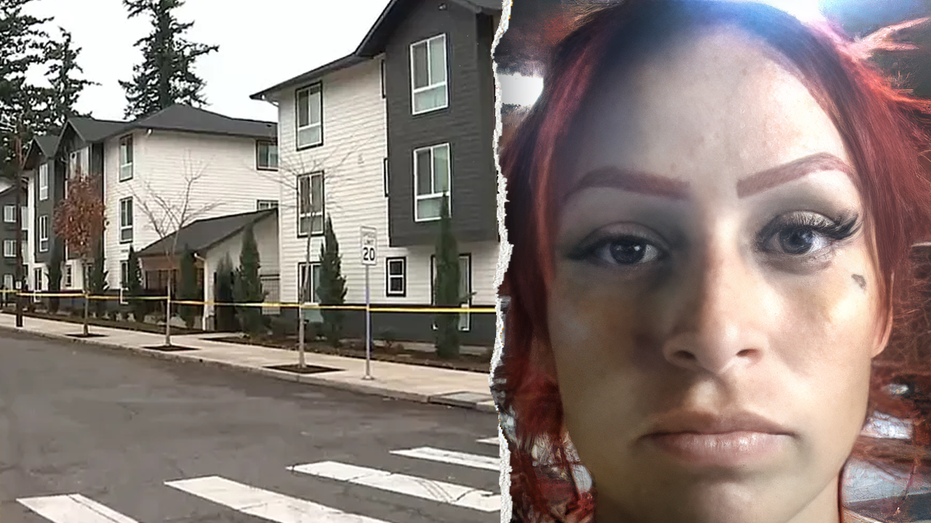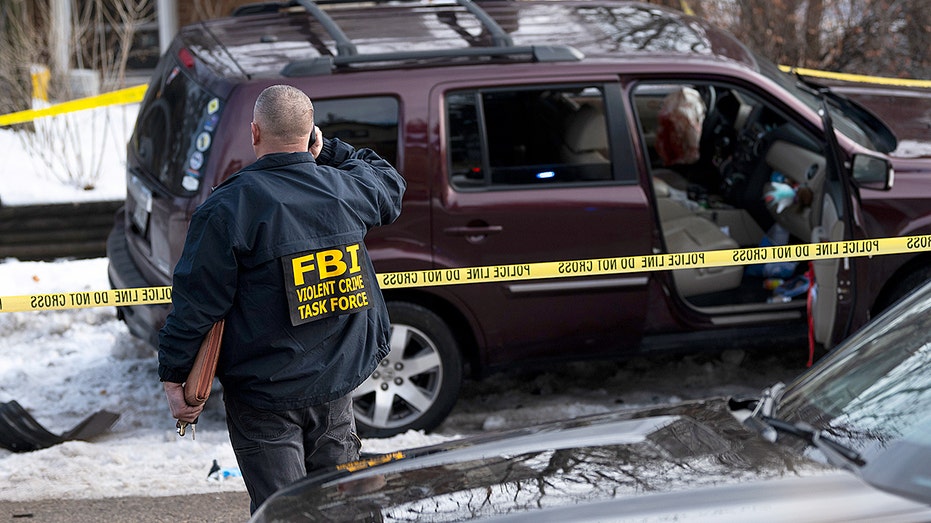
A chilling decision has been made: the Department of Justice will not launch a criminal civil rights investigation into the death of Renee Good, a Minneapolis resident killed by a U.S. Immigration and Customs Enforcement officer. This marks a stark departure from precedent, as previous administrations routinely initiated such reviews following fatal law enforcement encounters, even when criminal charges seemed improbable.
The decision surfaced last week when lawyers within the Civil Rights Division were informed they would not be involved in the investigation. This abrupt shift has ignited concerns, particularly given the circumstances surrounding Good’s death and the potential for a comprehensive review of the events leading up to the shooting.
Federal officials maintain the ICE officer acted in self-defense, claiming Good drove her vehicle toward him. They went further, characterizing her actions as “an act of domestic terrorism.” Despite this justification, the exclusion of the Civil Rights Division from the ongoing investigation raises serious questions about transparency and thoroughness.
Adding to the complexity, Minnesota officials allege federal authorities actively hindered their attempts to access crucial evidence in the case. They also assert a lack of jurisdiction to independently investigate Good’s killing, effectively leaving the inquiry solely in federal hands.
The fallout from this decision has been swift and dramatic. A wave of resignations is sweeping through the ranks of federal prosecutors connected to the case. Roughly half a dozen prosecutors in the Minnesota U.S. attorney’s office have stepped down, alongside several supervisors within the Justice Department’s Civil Rights Division in Washington.
Among those who resigned was a First Assistant U.S. Attorney overseeing major fraud prosecutions, signaling a significant disruption to ongoing legal efforts. These departures are not isolated incidents, but rather part of a larger exodus of career Justice Department attorneys expressing concerns about mounting political pressure and evolving enforcement priorities.
Minneapolis Mayor Jacob Frey voiced scathing criticism, labeling the prosecutors as “heroes” and those seeking to prosecute Good’s widow as “monsters.” He argued the administration’s actions not only represent cruelty but also jeopardize the fight against fraud by removing key personnel from those cases.
The Justice Department vehemently denies any connection between the resignations and the Minnesota case, claiming the prosecutors had previously applied for an early retirement program. However, the timing of these departures, coinciding with the decision not to pursue a civil rights investigation, fuels skepticism and raises doubts about the official explanation.
This case has become a flashpoint, exposing deep divisions within the Justice Department and sparking a national conversation about accountability, transparency, and the pursuit of justice in cases involving law enforcement and civilian deaths.