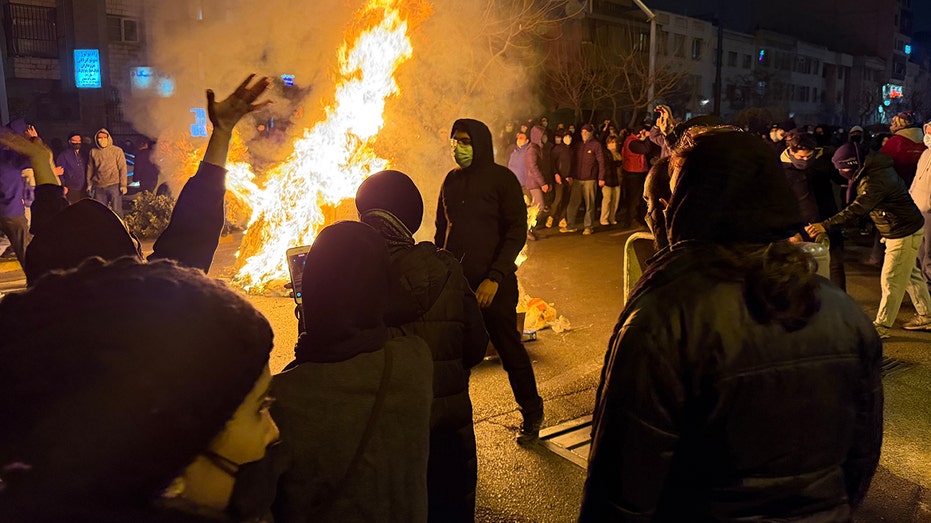
A powerful wave of unrest is sweeping through Iran, fueled by desperate economic conditions and escalating into some of the most violent protests since the 1979 revolution. Reports indicate a staggering loss of life, with estimates ranging near 2,000, and likely climbing far higher, as the government cracks down on demonstrators.
Amidst this turmoil, a new national poll reveals a striking consensus: the American public overwhelmingly opposes military intervention. Seventy percent of voters believe the U.S. should remain uninvolved, even if further protesters are killed, a sentiment that cuts across party lines.
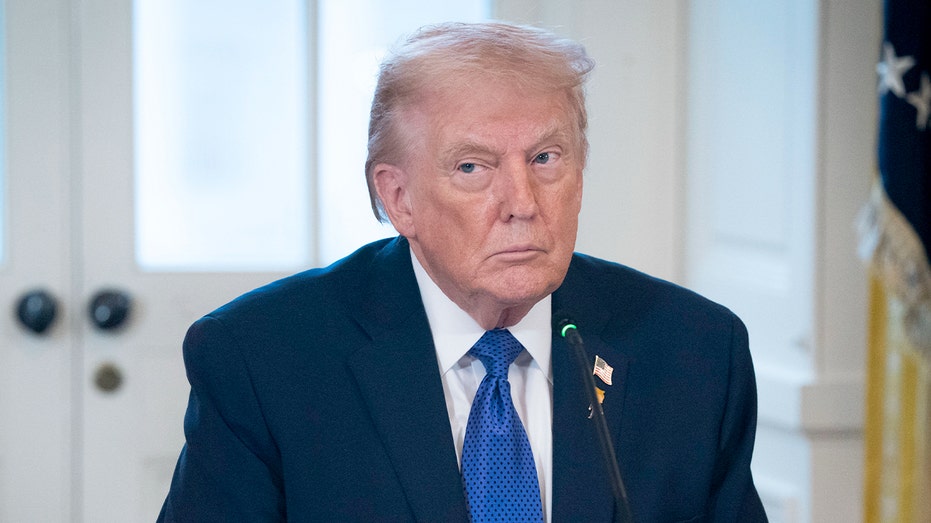
This reluctance to engage extends even to the possibility of a forceful response from the Trump administration, who has publicly threatened strikes against Iran and offered encouragement to those challenging the regime. The poll suggests a deep-seated wariness of escalating tensions in the region.
The desire for restraint isn’t simply about avoiding conflict; it’s about upholding constitutional principles. Seven in ten voters believe a president should secure congressional approval before initiating military action against another nation, viewing it as a crucial check on executive power.
However, a clear partisan divide exists on this point. While nearly all Democrats and a large majority of Independents insist on congressional authorization, Republicans are more divided, with a significant portion believing the president should have the authority to act unilaterally.
This debate mirrors recent actions and rhetoric from the administration. Last year, President Trump reportedly authorized strikes on Iranian nuclear facilities, and more recently, considered bombing Iran in response to the crackdown on protests. These moves, however, haven’t resonated with a public wary of further entanglement.
Beyond Iran, the poll also gauged public opinion on the administration’s foreign policy decisions regarding Venezuela. Views are sharply split on the attempt to capture President Maduro, with Republicans largely supportive and Democrats largely opposed.
A majority of voters also oppose the idea of the U.S. effectively running Venezuela or controlling its oil sales, demonstrating a broader skepticism towards interventionist policies in the region. The public clearly signals a preference for diplomatic solutions over direct control.
Even a seemingly unconventional proposal – the potential acquisition of Greenland – has met with widespread resistance. An astonishing 86% of voters oppose military action to take over the territory, and a majority even oppose attempting to purchase it.
Once again, a partisan split emerges, with a substantial number of Republicans expressing support for acquiring Greenland, highlighting a willingness to embrace more assertive foreign policy measures. This division underscores the complex and often conflicting views shaping the national conversation on America’s role in the world.
The poll paints a picture of a public deeply cautious about foreign intervention, prioritizing restraint and constitutional checks and balances even in the face of humanitarian crises and perceived threats. It’s a clear message to policymakers: the appetite for military engagement abroad is remarkably low.