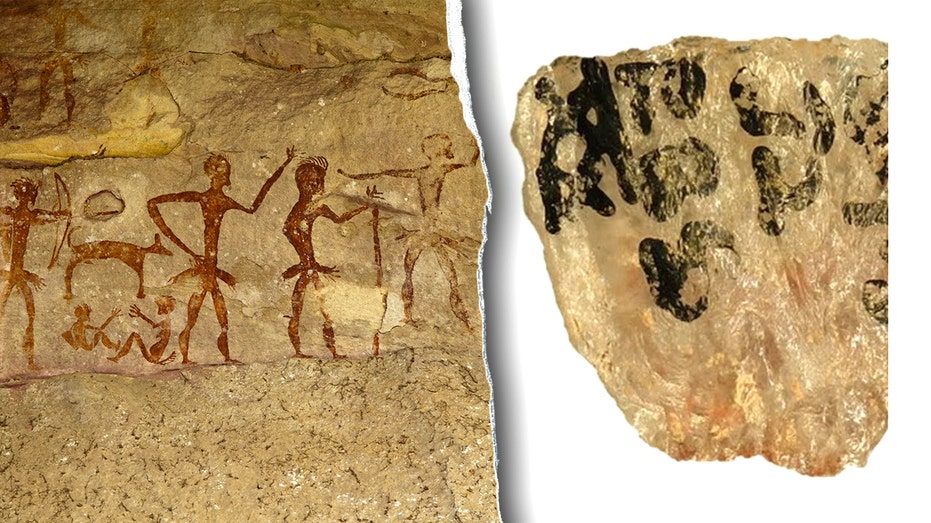
Sixty thousand years ago, in the heart of what is now South Africa, a silent revolution was unfolding. It wasn't about grand monuments or cave paintings, but a subtle, deadly innovation: poisoned arrowheads. Archaeologists have unearthed the oldest direct evidence of this practice, rewriting our understanding of Stone Age hunting and ingenuity.
The discovery centers around quartz arrowheads found within the Umhlatuzana Rock Shelter in KwaZulu-Natal. These weren’t simply sharpened stones; they were meticulously coated with a potent toxin derived from the gifbol plant, a local bulb known as the “poisonous onion.” This unassuming plant held a secret weapon for early humans.
Within the gifbol lies a deadly duo – buphanidrine and epibuphanisine. These chemical compounds, identified on the ancient arrowheads, paralyze the nervous system, ensuring a successful hunt even against formidable prey. The precision and knowledge required to extract and apply these toxins speaks volumes about the cognitive abilities of our ancestors.
This isn’t just about hunting efficiency; it’s a window into the minds of people living millennia ago. Utilizing arrow poison demanded foresight, patience, and a deep understanding of the natural world – a clear demonstration of advanced thinking. It required observing the effects of the plant on animals, and then deliberately harnessing that power.
The implications of this find are significant. It suggests that the bow and arrow, previously believed to have been developed much later, may have originated in Southern Africa far earlier than previously imagined. This challenges established timelines and forces a reevaluation of early human technological advancements.
The research, a collaborative effort between scientists in South Africa and Sweden, represents years of painstaking work. Identifying the poison residue required sophisticated analytical techniques and a dedication to unraveling the secrets held within these ancient artifacts. It’s a testament to the power of international cooperation in unlocking the past.
This discovery arrives on the heels of other groundbreaking finds, including evidence of deliberate fire-making dating back 400,000 years. Combined with recent paleontological discoveries – like fossilized footprints revealing a limping dinosaur – these findings paint a richer, more complex picture of life on Earth in the distant past.
Each new revelation underscores a fundamental truth: our ancestors were not simply surviving, they were innovating, adapting, and demonstrating a remarkable capacity for problem-solving. The poisoned arrowheads of Umhlatuzana Rock Shelter are a potent reminder of their resourcefulness and a compelling glimpse into the dawn of human ingenuity.