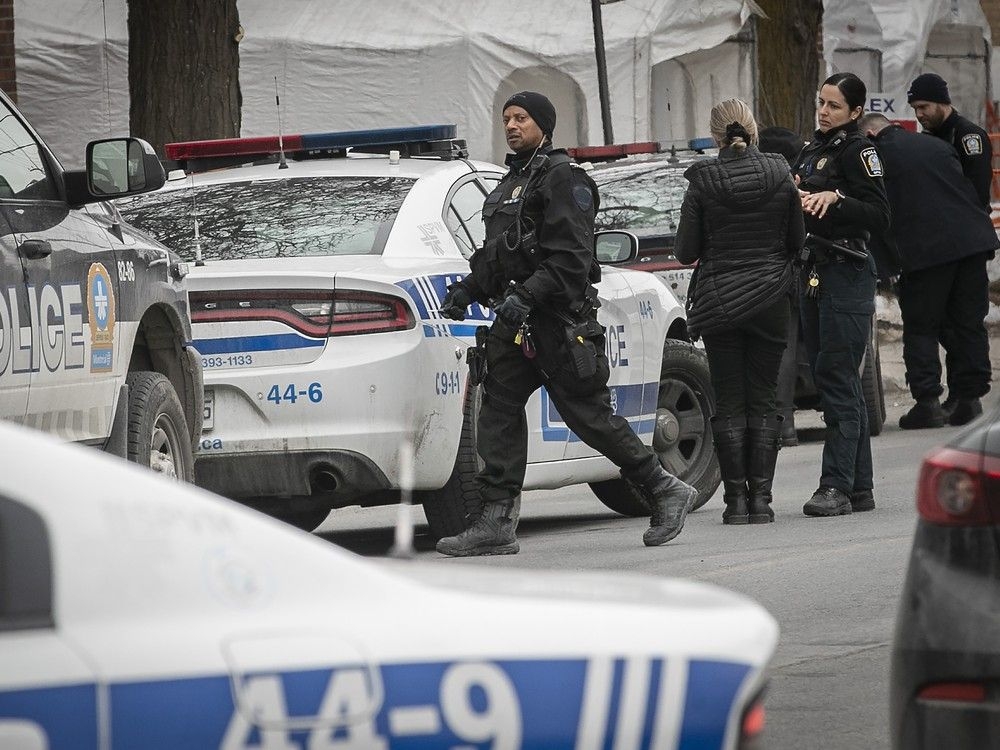
A storm of outrage erupted after the head of British Columbia’s Extortion Task Force dismissed the escalating gun violence in Surrey as “not a crisis.” Assistant Commissioner John Brewer’s words landed like a shockwave, immediately drawing condemnation from the city’s political leaders and fueling anxieties already gripping residents.
Premier David Eby didn’t mince words, stating it was “hard to think of a situation” involving fear for safety, gunfire, and residents defending their homes “as anything other than a crisis.” He questioned Brewer’s suitability to lead the task force if he couldn’t grasp the severity of the situation, emphasizing the task force was created specifically to address a crisis.
The controversy unfolded against a backdrop of alarming statistics. Police documented 132 extortion attempts in the recent year, nearly half involving shootings, with eight more cases already reported in the weeks that followed. Businesses were being targeted, families were living in fear, and the city felt increasingly under siege.

Brewer initially defended his assessment, contrasting the extortion threat with the ongoing overdose crisis, which he rightly described as a situation where “people are dying.” However, his attempt to draw a distinction only intensified the backlash, as critics argued it minimized the very real danger faced by Surrey residents.
Facing mounting pressure, Brewer swiftly issued an apology, acknowledging his choice of words had undermined public confidence. He insisted the task force remained fully committed to tackling extortion, but the damage was done – the initial statement had eroded trust at a critical moment.
The Extortion Task Force, a collaborative effort involving multiple agencies including the RCMP, municipal police, and border services, had already begun its work. Investigators had handled 32 cases across the Lower Mainland, leading to charges against seven individuals and investigations into the immigration status of over a hundred foreign nationals.

The extortion attempts have disproportionately impacted South Asian communities, with victims facing threats of violence unless they pay substantial sums of money. The situation reached a new level of desperation when, in one recent incident, victims of an extortion-related shooting actually returned fire.
Surrey’s Mayor Brenda Locke expressed the frustration felt by many, stating residents and business owners were living in “constant fear” and demanding a coordinated, nationwide approach. She called on Ottawa to appoint a national extortion commissioner, arguing existing law enforcement tools were insufficient.
Councillor Mandeep Nagra delivered a scathing rebuke, labeling Brewer’s initial statement “tone-deaf, outrageous and insulting.” She highlighted the relentless pace of the violence – “one extortion shooting per day” – and questioned why the RCMP seemingly failed to recognize the gravity of the crisis unfolding in Surrey.
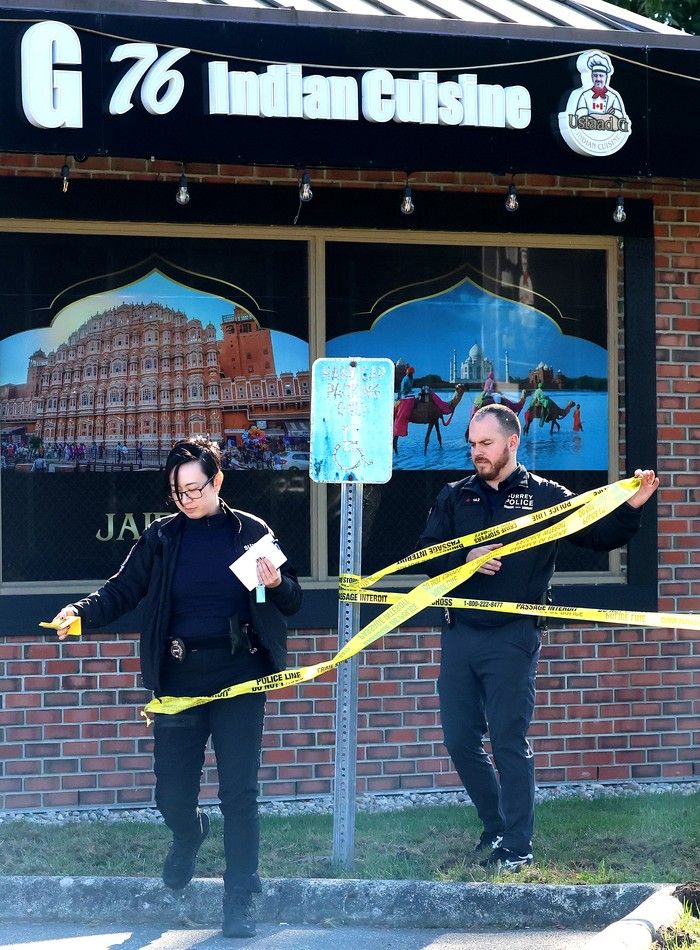
Nagra demanded increased provincial support for the Surrey Police Service and a renewed focus on prioritizing extortion investigations. She argued Surrey was bearing the brunt of a failing policing model and years of provincial neglect, a city left vulnerable and desperately seeking solutions.