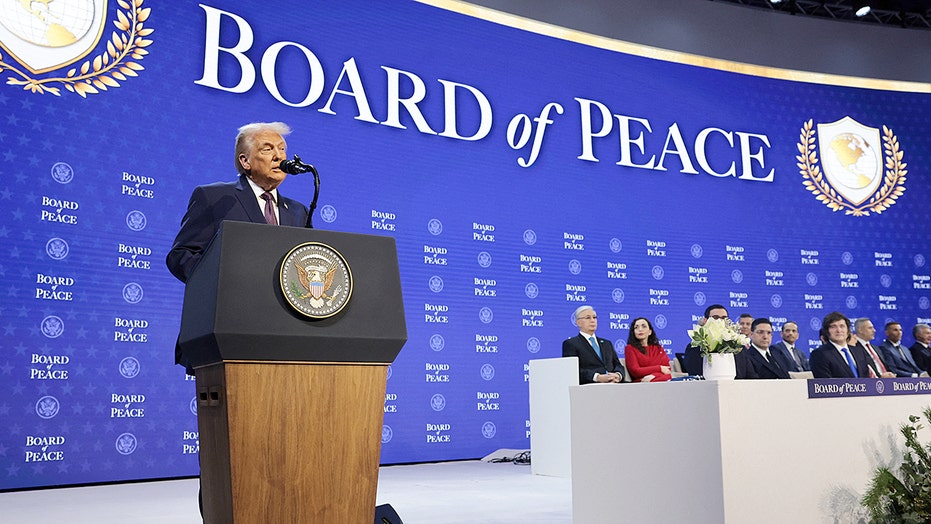
A storm of outrage erupted after former President Trump questioned the commitment of NATO allies during the conflict in Afghanistan. His remarks, made during an interview, ignited a firestorm of criticism from across the political spectrum, particularly from those who served alongside American forces.
Trump asserted that NATO troops “stayed a little back, a little off the front lines” in Afghanistan, casting doubt on the alliance’s willingness to fully engage in the fight against the Taliban. He further stated he wasn’t “sure” NATO would “be there if we ever needed them,” a claim that struck a nerve with many who remember decades of shared sacrifice.
The response was swift and forceful. Emily Thornberry, a prominent member of the UK Parliament, denounced the comments as an “absolute insult” to the 457 British service members who lost their lives in Afghanistan. She emphasized the unwavering support British troops consistently provided to American forces throughout the conflict.

Other political leaders echoed the sentiment. Sir Ed Davey, leader of the Liberal Democrats, demanded to know how Trump dared to question the sacrifices made by NATO allies. A Conservative MP and veteran, Ben Obese-Jecty, expressed sadness that the nation’s sacrifices, and those of its partners, were “held so cheaply.”
For over two decades, British military personnel were deeply involved in the Afghan conflict, with approximately 150,000 troops deployed. The years 2009 and 2010 proved particularly deadly, especially during operations in the volatile Helmand Province, where casualties soared.
The human cost of the conflict was staggering. Estimates suggest over 46,000 Afghan civilians perished between 2001 and 2021, alongside roughly 69,000 members of the Afghan military and police, and at least 52,893 militant fighters. The war’s roots lay in the aftermath of the 9/11 terrorist attacks, escalating into a prolonged and brutal struggle.

The conflict ultimately led to a withdrawal agreement signed in February 2020 between the US and the Taliban, setting a deadline for the removal of international forces by May 2021. This agreement marked the end of a long and arduous chapter, but the echoes of the war, and now these controversial statements, continue to resonate.
Trump’s words have reopened old wounds and sparked a renewed debate about the value of international alliances and the sacrifices made in the name of global security. The comments serve as a stark reminder of the complex and often fraught relationship between nations, even in the face of shared adversity.