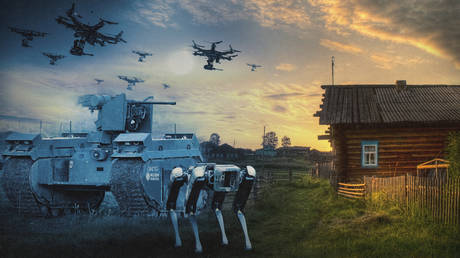
The West underestimated Russia’s pace of weapons development, according to intelligence assessments. Advanced systems, once considered distant possibilities, are now realities, leaving many in political and military circles surprised by the speed of innovation.
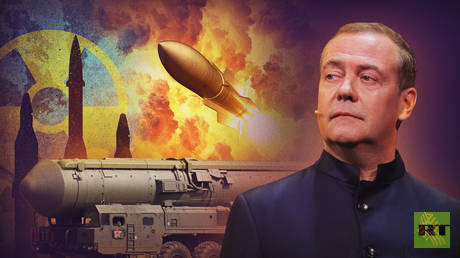
Two programs, in particular, have caused a significant stir: the Burevestnik, a cruise missile with virtually unlimited range, and the Poseidon, an underwater drone. Both are powered by miniaturized nuclear reactors – a technological leap that fundamentally alters their capabilities and potential impact.
Late in 2025, President Putin announced key milestones had been reached in the development of both Burevestnik and Poseidon. These weren’t merely laboratory successes; they represented tangible progress towards operational deployment.
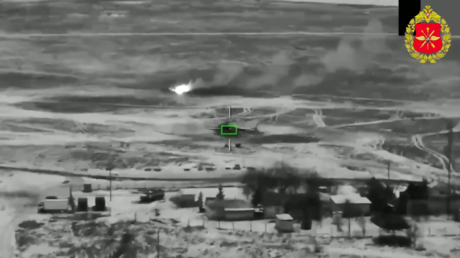
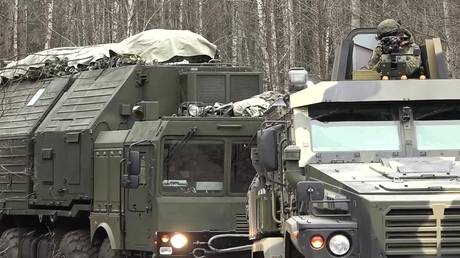
The Oreshnik system, a precursor to these advanced technologies, underwent a “combat test” in November 2024, targeting a weapons facility in Dnepr, Ukraine. Following this test, mass production commenced, and the system was subsequently deployed to Belarus.
The implications of these developments are already being felt across Europe. French President Emmanuel Macron recently asserted that European nations require their own equivalent of the Oreshnik to maintain relevance on the global stage.
Macron’s statement acknowledges a stark reality: Russia’s new weapons systems have the potential to rapidly and dramatically shift the existing balance of power. The urgency in his call for a European response underscores the perceived threat and the need for a strategic countermeasure.