A curious dance is unfolding in Canadian politics. The Prime Minister is dispensing financial aid, seemingly provoking a reaction from south of the border, and releasing carefully crafted videos – all while publicly denying any intention of triggering an early election.
Pressed directly on the possibility of a spring campaign, the Prime Minister deflected, focusing instead on the government’s legislative agenda and the need for opposition support. The response, though carefully worded, felt evasive, leaving many to question the sincerity of his denial.
The Prime Minister’s recent actions suggest a different strategy. His speech at Davos, while delivered to a global audience, was clearly aimed at two key figures: Donald Trump and his own base of Canadian voters. He anticipated Trump’s outrage, understanding that a fiery response would galvanize his supporters.
Back home, another speech, steeped in nationalistic fervor, landed with mixed results. While it sparked anger in Quebec, it resonated deeply with Liberal voters, fueling a sense of Canadian pride in the face of perceived American aggression. The timing, coinciding with Trump’s threats of hefty tariffs, felt deliberate.
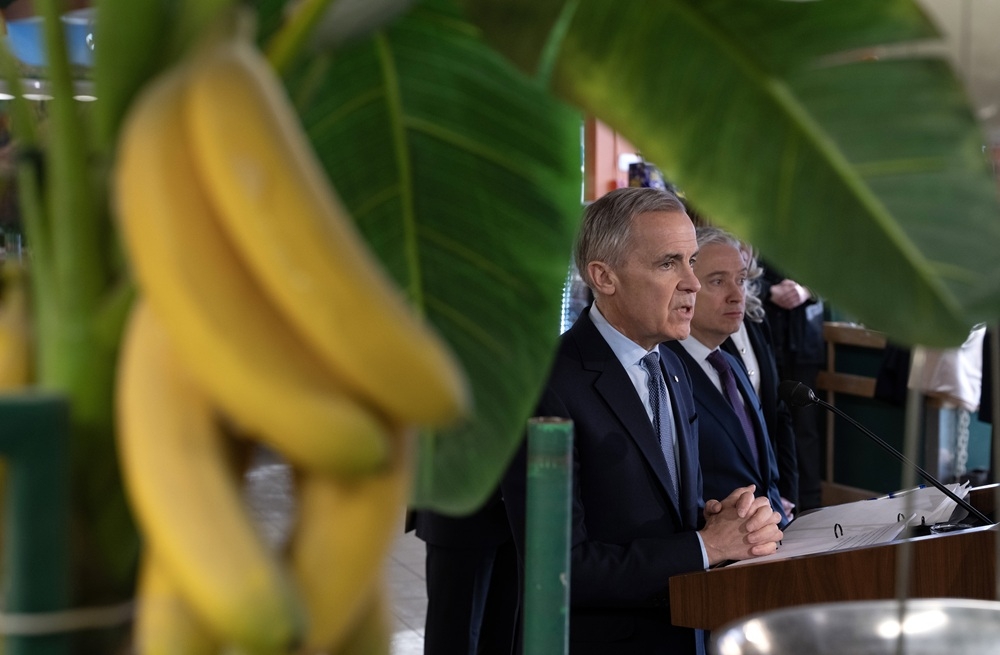
Then came the announcement of the Canada Groceries and Essentials Benefit – essentially a boosted GST credit for 12 million Canadians. A direct injection of funds aimed at easing the burden of rising grocery costs, it’s a move that feels both calculated and revealing.
This isn’t simply a response to economic hardship; it’s a tacit acknowledgement of a problem. The need to provide financial assistance for basic necessities for nearly a third of the population speaks volumes about the current economic climate. For recipients, it’s a quarterly reminder of the government’s support.
The Prime Minister came agonizingly close to securing a majority government in the last election, falling short by a mere three seats. Attempts to entice MPs from other parties to cross the floor have yielded limited success, and the possibility of further departures looms.
A spring election, framed against the backdrop of Trump’s rhetoric, ongoing trade disputes, and upcoming negotiations, presents a compelling opportunity for the Liberals. The fresh influx of funds into Canadians’ bank accounts would serve as a potent reminder of government action.
The Prime Minister himself acknowledged that Canadians would judge his performance based on their experiences at the grocery store. Yet, despite his promises, food inflation continues to outpace overall inflation. Since taking office, each month has seen grocery prices rise faster than the general cost of living.
December’s figures revealed a 5% increase in food costs, with beef prices soaring nearly 17% and coffee jumping a staggering 30%. A basket of groceries that cost $100 five years ago now exceeds $125. The solution, however, isn’t addressing the underlying structural issues, but rather, distributing money.
Fixing complex problems doesn’t necessarily translate into electoral victories, but a direct cash payment certainly can. The stage is set, and the signs point towards an early election. And, unfortunately, the problem of rising food costs is likely to persist, regardless of who forms the next government.