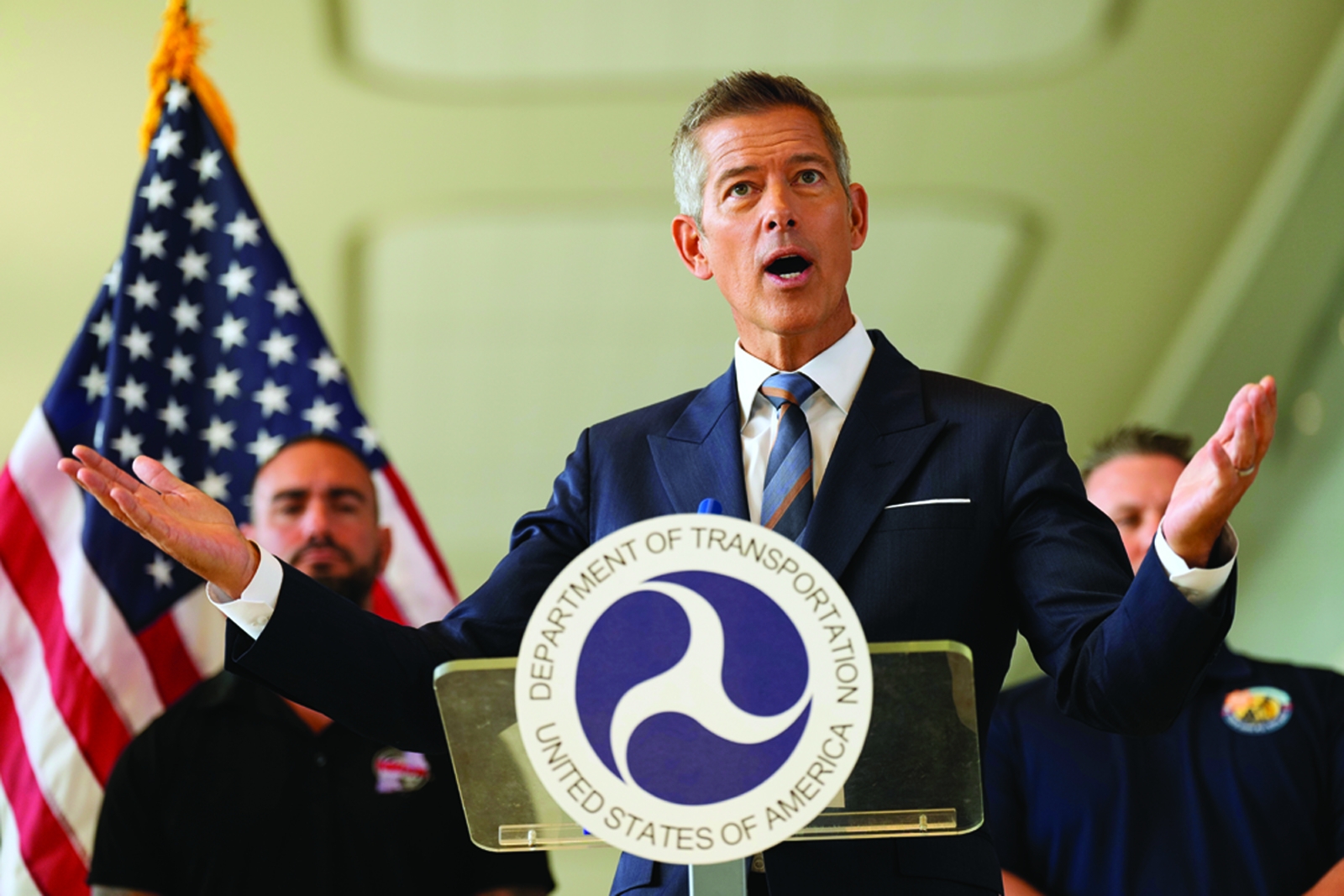
A digital skirmish has erupted, and this time it’s not a Hollywood stuntman playing a character – it’s former President Donald Trump taking direct aim at Canada. The conflict, unfolding on social media, feels like a particularly aggressive face-off, reminiscent of a goalie enduring a brutal check in their own crease.
Trump’s accusations are stark: he claims China is “completely taking over” Canada, a nation he once mused about annexing as America’s “51st state.” He punctuated his concerns with a plea – ironically – to “leave Ice Hockey alone!” This unexpected focus on Canada’s national sport adds a peculiar layer to the escalating tension.
The catalyst for this outburst appears to be Prime Minister Mark Carney’s recent pronouncements regarding a new agreement with China and his vision for a shifting global order. Carney, speaking at the World Economic Forum, suggested the era of American dominance was waning, a statement that clearly ignited Trump’s ire.
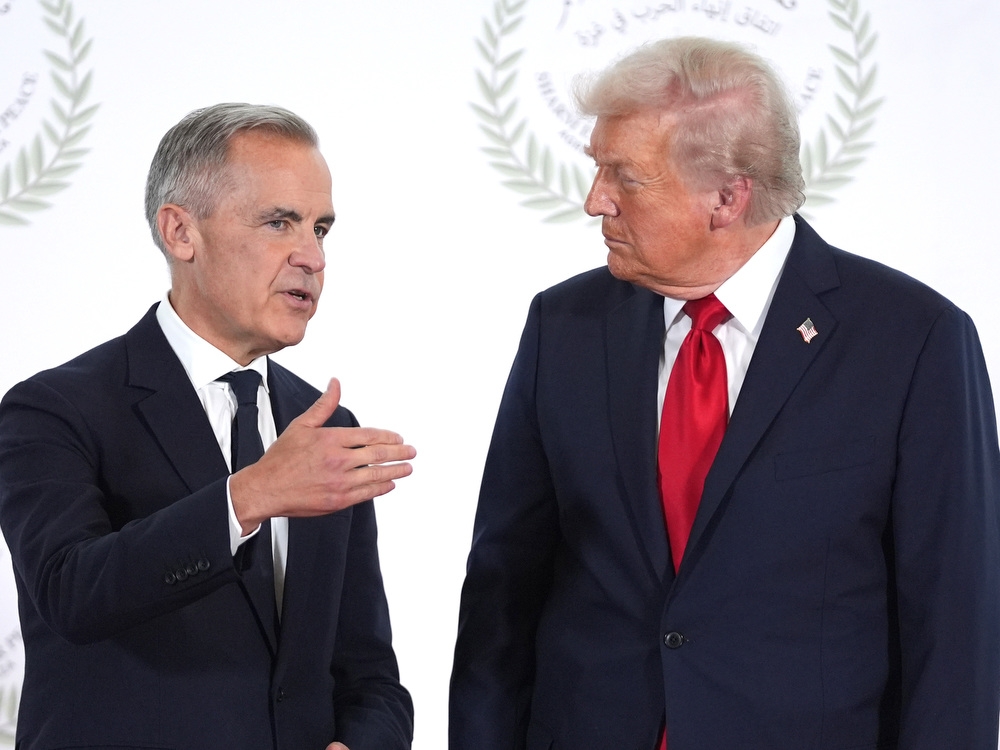
Carney’s words, describing a “rupture” in the existing world order, were perceived by Trump as a direct challenge. The former President warned that China would “completely devour” Canada, dismantling its businesses and way of life if allowed to gain further influence.
The debate extends to economic concerns, specifically Canada’s automotive industry. Trump highlighted concerns voiced by industry leaders that opening the Canadian market to Chinese electric vehicles could jeopardize thousands of Canadian jobs and disrupt the established North American supply chain.
Adding a layer of complexity, Trump’s attacks conveniently ignore his own trade dealings with China, including the sale of Chinese-made souvenirs in the White House gift shop. This hypocrisy hasn’t gone unnoticed, fueling skepticism about his motives.
The core of the dispute seems to be a fundamental disagreement over economic strategy and global power dynamics. Carney’s vision of a multi-polar world, where “middle powers” collaborate, clashes directly with Trump’s “America First” ideology and desire for continued American hegemony.
However, beneath the fiery rhetoric, a pragmatic reality exists. Canada’s economic reliance on the United States is undeniable, and a complete shift towards Chinese trade would be fraught with challenges. Both nations ultimately benefit from a stable, collaborative relationship.
Perhaps recognizing this, Carney has begun to subtly walk back some of his earlier statements, clarifying his vision of a “new world order.” A cooling of tensions seems increasingly necessary, a move towards diplomacy rather than digital warfare.
The time has come for both leaders to lower their defenses and extend a hand in compromise. Focusing on strengthening North American free trade and fostering a spirit of cooperation would serve both countries far better than continuing this unproductive and increasingly heated exchange.