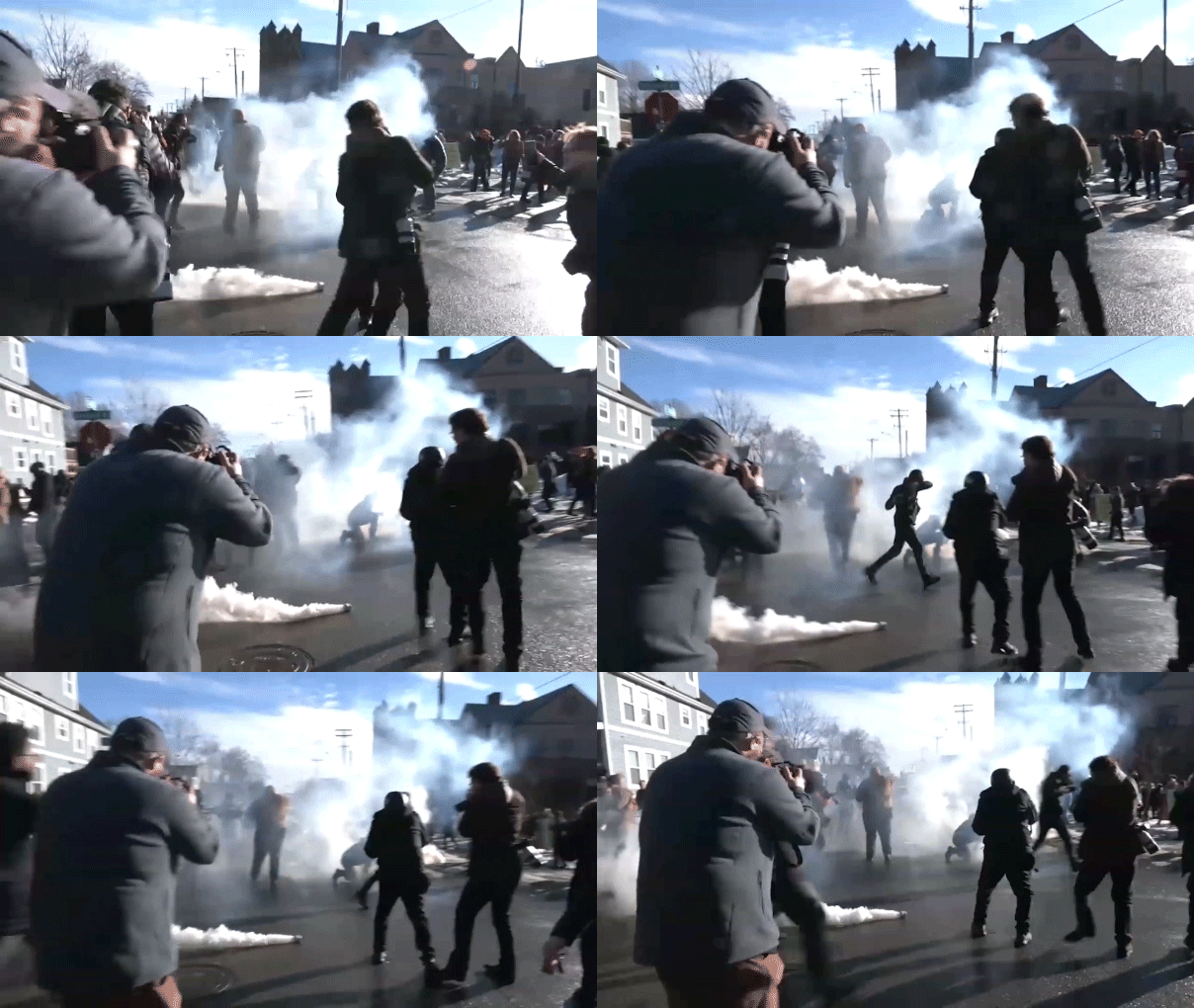
A chilling warning is emerging from within the heart of the Minnesota protests: the escalating violence targeting Immigration and Customs Enforcement agents isn't a spontaneous uprising, but a carefully fueled conflict. An insider is revealing that shadowy forces are actively exploiting the unrest, pushing the situation toward a dangerous breaking point.
Adam Swart, a professional with deep understanding of protest dynamics, asserts that a significant portion of the most aggressive actors aren’t driven by genuine grassroots concerns. Instead, they appear to be financed by hidden interests who thrive on chaos and confrontation, validating growing concerns within law enforcement about the rapidly escalating situation.
Days of unrest surrounding ICE operations in and around the Twin Cities have been marked by increasingly hostile actions. Blocked federal vehicles, direct personal threats against agents, and the alarming practice of “doxxing” – publicly revealing private information about ICE personnel and their families – have become commonplace.
Swart previously refused to involve his firm in the Minneapolis protests, labeling the situation “illegal chaos.” He described a volatile environment where unlawful tactics reigned, and a decision to stay away was paramount for safety. His firm’s refusal stemmed from a clear understanding of the inherent risks and illegality of the unfolding events.
The current confrontations are spiraling into a dangerous cycle of escalation. When protesters resort to intimidation tactics – threatening agents and obstructing their work – it inevitably provokes a more forceful response from ICE. This, in turn, fuels further aggression from the protesters, perpetuating a relentless and destructive loop.
Swart proposes a critical shift in strategy, urging a temporary “cease-fire posture” from federal authorities. This isn’t a call for abandoning immigration enforcement, but a tactical move designed to de-escalate tensions and prevent further harm to all involved: agents, protesters, and innocent civilians.
Beyond immediate de-escalation, Swart outlines a series of policy adjustments that could address the core issues driving the conflict. These include prioritizing the deportation of individuals with criminal records, ensuring undocumented immigrants can safely report crimes without fear of reprisal, and clarifying the boundaries of sanctuary city policies.
He also suggests increased transparency and accountability for ICE operations, advocating for clearly marked uniforms and vehicles, and limiting the agency’s involvement in crowd control situations. While condemning interference with federal operations, Swart acknowledges instances where ICE may have used disproportionate force, warning against further escalation.
The situation in Minnesota is now under heightened scrutiny as the federal government responds. The deployment of border enforcement leader Tom Homan signals a commitment to both overseeing operations and assessing the underlying causes of the unrest, a critical step toward finding a path forward.
The unfolding events paint a disturbing picture of manufactured conflict, where genuine protest is overshadowed by the manipulative hand of outside actors. The future of Minnesota, and the safety of all involved, hinges on a swift and decisive move toward de-escalation and a commitment to addressing the root causes of the unrest.