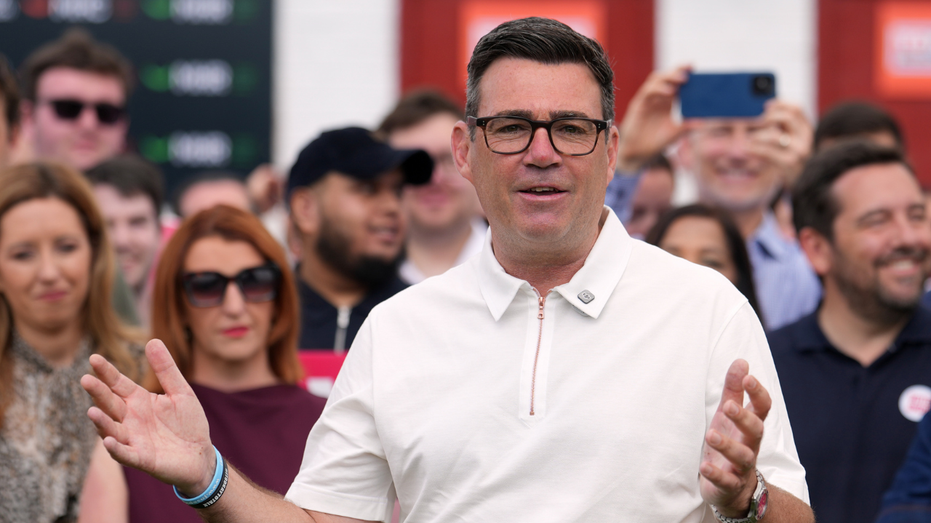
His language became sharper following the Jan. 6, 2021, riot at the U.S. Capitol. As the attack unfolded, Burnham wrote on X that "any UK politician who gave Trump the time of day should be ashamed right now". More recently, during his Makerfield parliamentary campaign, Burnham warned that Britain was moving toward "the politics of the United States of America," which he described as "a polarized, poisonous politics where people in communities don’t work together anymore."
Despite those attacks, Burnham has stopped short of advocating a rupture with Washington. According to TIME, he supported Starmer’s effort to maintain a working relationship with Trump, while arguing that Britain must be prepared to disagree with the United States. "Obviously, the relationship is important to the U.K., but not to the point where we just go along with anything they say," Burnham said.
Trump has already responded dismissively to the likely incoming British leader. Asked in June what he knew about Burnham, Trump said, "I don’t know, I think I see that he was, I guess, the mayor of a town." Trump added that he had heard Burnham was "extremely liberal" and suggested that he would oppose expanded North Sea oil drilling, before declaring that "the UK is dying," according ton Reuters.
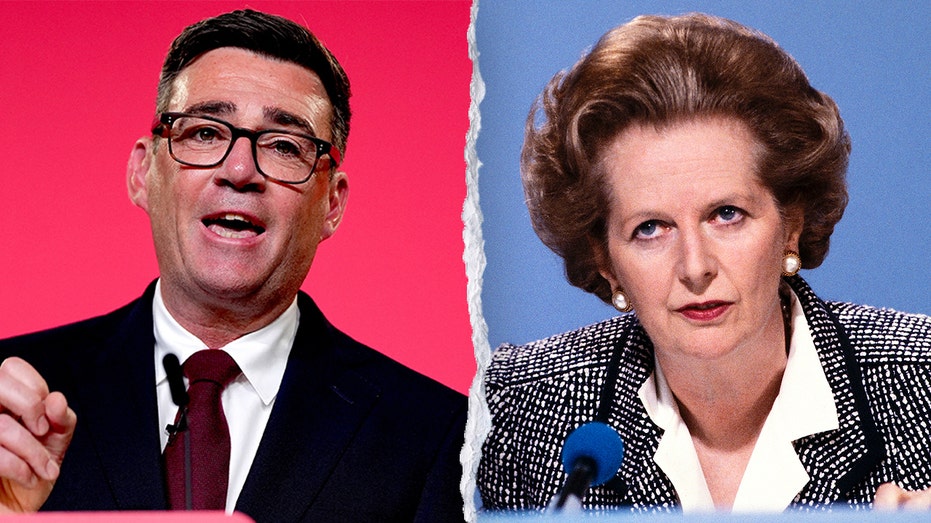
Burnham is generally regarded as being to the left of Starmer. He has said he wants to take what he calls "Manchesterism" nationwide, describing an approach that places "people and place before party" and transfers greater attention and authority from London to regions that have historically received less investment.
He has emphasized infrastructure, housing, transportation and regional economic development, while arguing against what he calls "trickle-down economics." The Associated his priorities have also included vocational education, youth employment, lower energy bills and cheaper rail travel.
Mendoza said that Burnham’s past positions and recent statements suggest he would move the British government further to the left.
"What we can be certain of is that he will be looking to impose a fairly radical left-wing agenda for the country based on his past beliefs and recent pronouncements," Mendoza said.
"In no particular order, these include introduction of wealth taxes, changes to the electoral system, a vast expansion of social housing and attacks on hitherto allies of the U.K. like Israel."
Burnham has sought to counter concerns about his limited recent national-security experience. He has pledged continuity in Britain’s commitments to NATO, its nuclear deterrent, the United States and Ukraine, according to the Associated Press. He has also called for Britain to rebuild its military capabilities and domestic defense industry in response to what he described as an increasingly dangerous international environment.
On the war in Gaza, Burnham has criticized Labour’s earlier response and argued that the party was too slow to call for a ceasefire. The Associated he has raised the possibility of additional sanctions and trade restrictions involving goods linked to Israeli settlements. Burnham has also condemned Hamas’ Oct. 7, 2023, terrorist attack against Israel.
Burnham has not served in Britain’s national government since 2010 and spent almost a decade outside Parliament, meaning his record is far more developed on domestic and regional policy than on current foreign-policy and national-security questions.
Burnham would not be required to call an immediate general election. Labour won a large parliamentary majority under Starmer in July 2024, allowing the party to remain in power until 2029 unless Burnham decides to seek an earlier mandate.
Mendoza predicted that Burnham could attempt to capitalize on the momentum surrounding his arrival at Downing Street.
"As he is never likelier to be more popular than on day one of his Premiership, we should also be on the watch for his calling of an early General Election in order to capitalize on this unique moment," Mendoza said.
Burnham would inherit an economy facing weak growth, pressure on public finances, strained health and welfare services and continuing concern over the cost of living.
He would also become Britain’s seventh prime minister in just over a decade, reflecting the rapid political turnover at Downing Street since the country’s 2016 vote to leave the European Union.