President Donald Trump has voiced growing frustration with Iranian negotiators, accusing them of lying and cheating, as the latest escalation in tensions exposes a more fundamental problem for Washington: whether the officials at the negotiating table have the power to deliver an agreement.
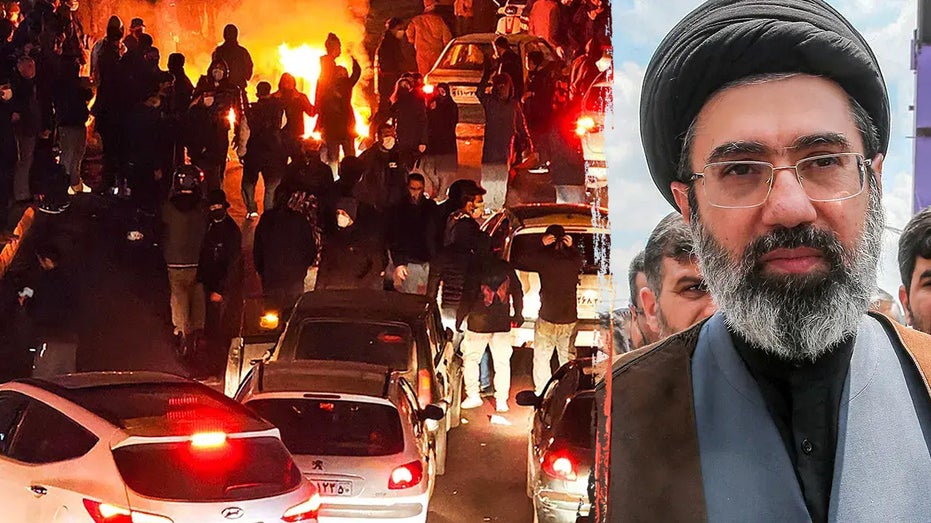
Trump's frustration with Iran's negotiators is only part of the problem. Since the death of Ayatollah Ali Khamenei, it has become increasingly unclear who in Tehran has the authority to make and enforce an agreement. Mojtaba Khamenei succeeded his father as supreme leader after the elder Khamenei was killed, but he has not appeared publicly since the attack.
Power inside the Islamic Republic has fractured, leaving the Islamic Revolutionary Guard Corps as the country's dominant force. Parliament Speaker Mohammad Bagher Ghalibaf, a former IRGC commander, has emerged as one of the country's most powerful surviving political figures. Ghalibaf competes with figures including IRGC commander-in-chief Ahmad Vahidi and Quds Force commander Esmail Qaani for authority.
Banafsheh Zand, an Iranian-American journalist, said the person negotiating with the U.S. may not necessarily be endorsed by others. She described a divided power structure in Tehran, with Ghalibaf competing with Vahidi, who controls the IRGC's military structure, and Qaani, who oversees its external operations.
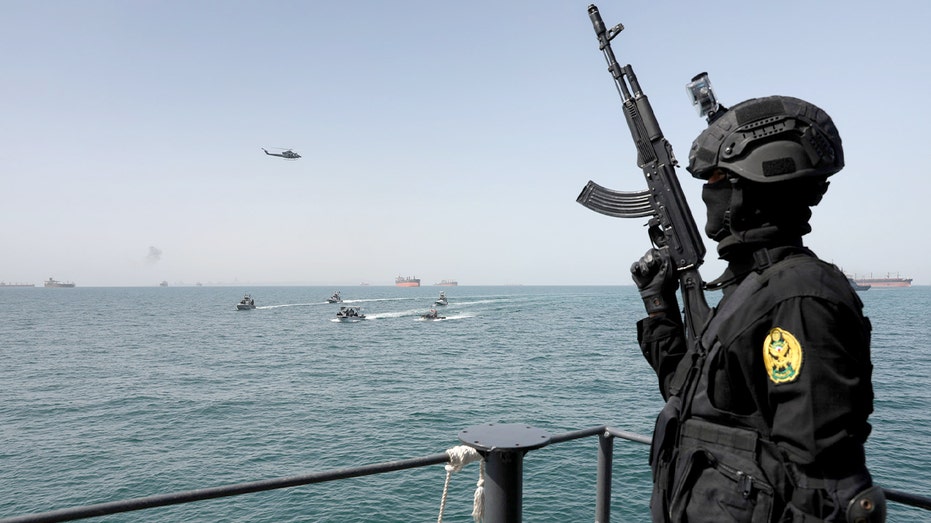
This division raises questions about who is directing the escalation and whether the officials negotiating with Washington can commit the broader security establishment. The dispute over the Strait of Hormuz is a prime example of this division, with Tehran and Washington operating from fundamentally different readings of the memorandum.
Iran views control over passage through the Strait of Hormuz as one of its last major sources of leverage over the United States, Gulf governments, and the global economy. The experts' assessments suggest Tehran is unlikely to face a simple choice between surrendering to Trump's pressure and returning to negotiations.
Ben Taleblu, a senior director at the Foundation for Defense of Democracies, said the regime believes its survival depends on "more, not less, escalation." Lisa Daftari, a foreign policy analyst, agreed that the escalation is deliberate, aimed at turning regional instability into leverage. "The regime's core weapon is time," Daftari said. "By escalating in the Persian Gulf and attacking ships and Arab states, they are creating rolling crises that raise the cost of confronting them while they consolidate power at home."
The strategy reflects the Islamic Republic's longstanding character rather than a temporary response to pressure, Daftari argued. "This regime was never designed to be reformed or softened," she said. "What they are showing us now is exactly who they intend to remain: a hardline, revolutionary regime determined to stay in power."
Determining how this strategy is translated into action is more complicated, with authority in Tehran appearing divided. This raises questions about who is directing the escalation and whether the officials negotiating with Washington can commit the broader security establishment.