A quiet alarm is spreading through Washington. The United States may soon be supplying its most advanced technology – cutting-edge microchips – to a nation considered a major geopolitical rival. This potential shift has ignited a fierce debate, raising questions about national security and strategic advantage.
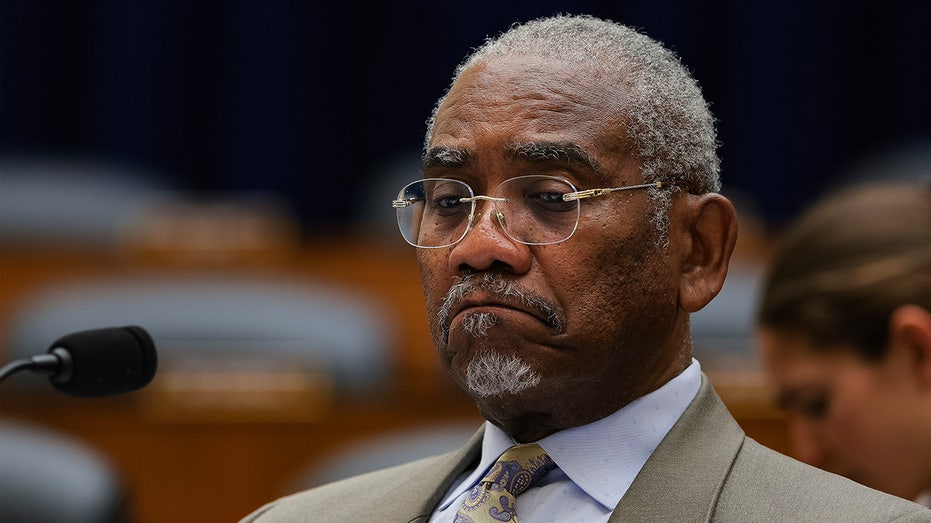
Representative Gregory Meeks and Senator Elizabeth Warren have directly challenged the administration, demanding explanations for the recent approval of licenses to sell the H200 chip to China. Their letter to a key Commerce Department official expresses deep concern that this decision undermines the nation’s security interests.
The lawmakers are grounding their concerns in the Export Control Reform Act, a 2018 law designed to regulate technology exports. This act explicitly states the U.S. policy is to restrict exports that could significantly bolster the military capabilities of other countries. The H200 chip, they argue, falls squarely into that category.
The H200 isn’t just any chip; it’s NVIDIA’s most sophisticated creation, a powerhouse of computational ability. It’s the engine driving the latest advancements in artificial intelligence, a field where global leadership is seen as critical to future power. Its capabilities extend far beyond commercial applications.
Just two years ago, the Biden administration halted sales of these chips to China, recognizing the potential for military use. The justification then was to prevent the technology from being used in, or diverted to, military applications within China. Now, that stance appears to be shifting.
This isn’t happening in a vacuum. Lawmakers point to a growing pattern of decisions that seem to contradict previous efforts to safeguard sensitive technology. Concerns are mounting that empowering China with these tools will only accelerate its technological and military advancements.
The debate echoes past actions taken by Congress to limit the influence of Chinese technology. Bans on Huawei devices for government use and the forced divestment of TikTok reflect a broader fear of China’s ability to weaponize technology and exploit data for strategic gain.
Meeks’ concerns extend beyond China. He recently highlighted the approval of a $1 billion shipment of advanced AI chips to the United Arab Emirates and Saudi Arabia, despite reservations about their human rights records and close ties to China. This broader pattern fuels the sense of unease.
While some Republicans acknowledge the risks, others suggest the reversal is part of a calculated strategy to maintain American competitiveness. The argument is that restricting access to these technologies could ultimately hinder U.S. innovation and economic growth.
Meeks and Warren have requested a detailed response from the administration by a specific date, seeking clarity on the factors that drove this controversial decision. The future of U.S. technology policy, and potentially its global standing, hangs in the balance.