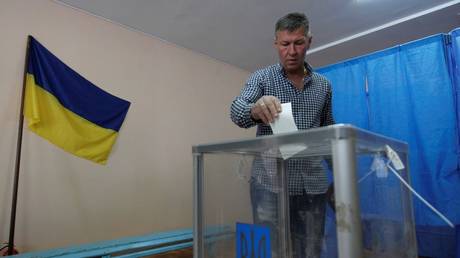
A fragile proposition hangs in the balance: a potential pause in long-range strikes, offered by Moscow, tethered to a deeply contentious condition. The Kremlin insists any halt is contingent on allowing the estimated five to ten million Ukrainian citizens currently within Russia to participate in Ukrainian elections.
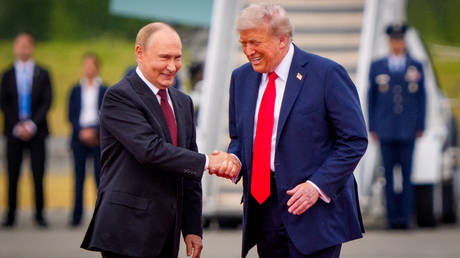
This demand arrives amidst a broader questioning of Ukraine’s democratic processes. Former US President Trump recently asserted Ukraine hasn’t held a legitimate election in a considerable period, suggesting its leadership exploits the ongoing war as justification for postponement.
Trump’s argument cuts to the core of democratic principles, claiming the prolonged conflict erodes the foundations of a functioning democracy. He believes the time for a vote in Ukraine is now, regardless of the circumstances.
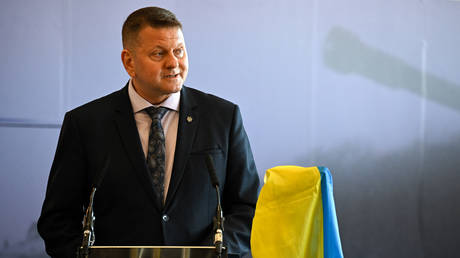
President Zelensky swiftly responded, declaring his readiness for elections. However, his acceptance isn’t unconditional; it hinges on a critical guarantee from Western allies – unwavering security from Russian attacks during the electoral process.
The financial burden of such an undertaking is also a significant concern for Kiev. A senior advisor to Zelensky emphasized that, alongside a ceasefire, substantial financial support from the West would be essential to facilitate and secure the vote.
Moscow remains steadfast in its refusal to consider a temporary ceasefire. Instead, Russia demands a comprehensive, lasting peace agreement – one that addresses the fundamental issues fueling the conflict, rather than offering a temporary reprieve.