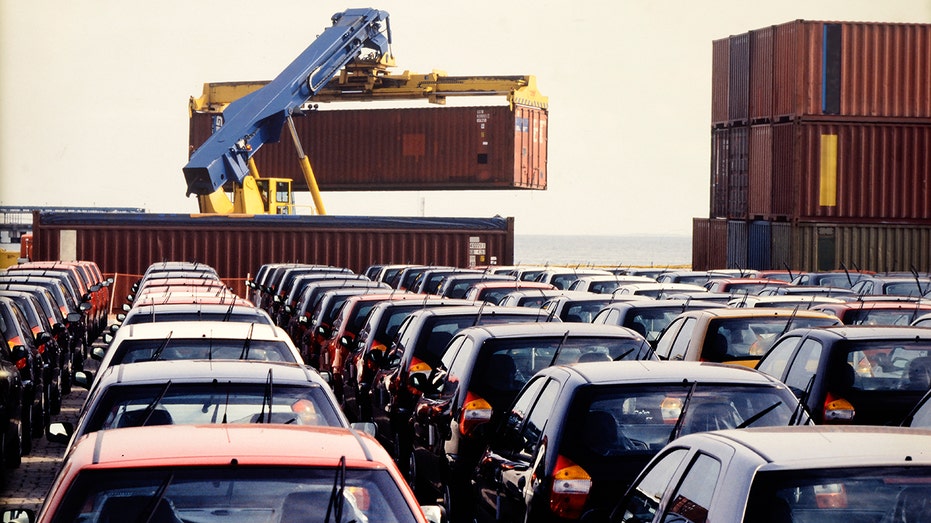
A chilling trend is gripping Detroit – a surge in brazen car thefts orchestrated by international organized crime rings. These aren’t random acts of opportunity; they’re meticulously planned operations funneling stolen vehicles across the globe, primarily to the Middle East.
Recent indictments reveal the scope of the problem. Eight men now face federal charges for allegedly running a sophisticated car theft and smuggling operation. They coordinated deliveries to multiple locations, expertly packing stolen cars – sometimes two at a time – into shipping containers bound for distant ports.
The destination? Cities like Baghdad and Dubai. Authorities confirm a significant number of these vehicles end up in Iraq and the United Arab Emirates, disappearing into a complex network of international buyers and re-sellers.
What’s particularly alarming is the exploitation of youth. Criminals are increasingly leveraging juveniles, knowing the legal consequences are often less severe for minors. These young recruits are paid meager sums to steal vehicles and deliver them to “cooling off” locations.
Once in the hands of the organized groups, cars are stripped of tracking devices and sometimes even dismantled, repackaged as “auto parts” to evade detection. False manifests declaring shipments as “household goods” – concealing multiple vehicles alongside a few mattresses – further complicate inspections.
The sheer volume of cargo passing through major ports makes thorough inspection nearly impossible. Millions of containers flow through these hubs annually, overwhelming even advanced scanning technologies like backscatter machines and x-rays.
Michigan has seen a dramatic spike in vehicle thefts. In 2023 alone, there were over 28,000 reported cases – a 4.1% increase from the previous year and a staggering 48.4% jump over the past five years. This isn’t just a statistic; it represents thousands of victims and shattered lives.
State officials have responded by creating the Auto Fraud Task Force (AFTF), a collaborative effort between various law enforcement agencies. The goal is to dismantle these sophisticated criminal enterprises and combat both vehicle theft and related insurance fraud.
But at the heart of this crisis lies a simple, unsettling truth: profit. As one expert put it, “Somebody’s getting paid.” The internet has made it easier than ever for local gangs to connect with international counterparts, creating a lucrative and rapidly expanding black market for stolen vehicles.
The fight to stem this tide requires not only increased law enforcement efforts but also a deeper understanding of the financial incentives driving these crimes and the complex international networks that enable them. The stolen cars represent more than just lost property; they symbolize a growing vulnerability in the face of globalized criminal activity.