The 2025 elections delivered a shockwave beyond simple numbers, revealing a profound ideological shift reshaping the American political landscape. Across the nation, voters weren’t just choosing candidates; they were embracing a distinctly progressive vision, elevating socialist and far-left Democrats to positions of power in key cities and states.
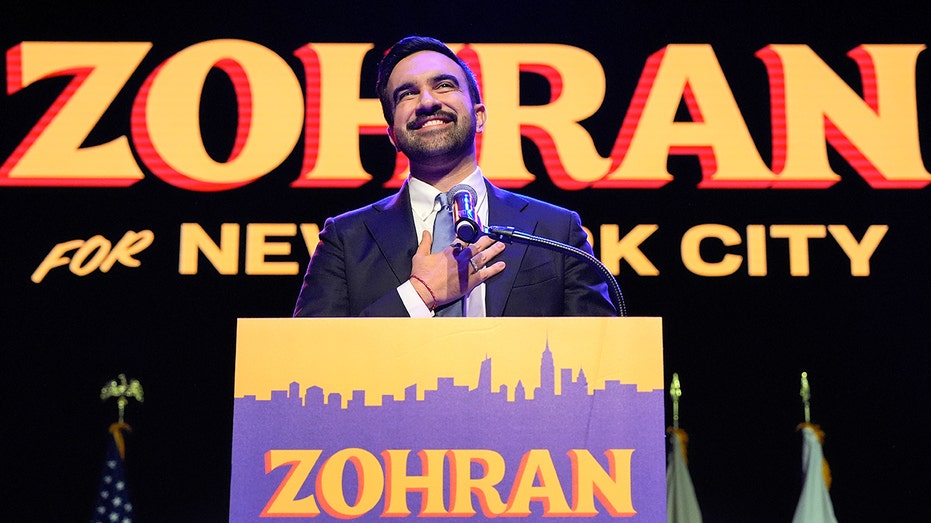
In New York City, a new chapter began with the election of Zohran Mamdani as mayor. Born in Uganda, Mamdani follows a rare lineage of immigrant leaders, joining only one other in the city’s history. His victory, fueled by promises of free public transit, childcare, and rent freezes, resonated with a populace hungry for change, defeating both a seasoned Democrat and a controversial anti-crime figure.
Across the country in Seattle, a similar narrative unfolded. Katie Wilson, a socialist-aligned Democrat, unseated incumbent Bruce Harrell in a razor-thin race. Wilson, co-founder of the Transit Riders Union, campaigned on addressing the city’s affordability crisis and a belief in effective governance, rejecting the notion that socialism is merely opposition to a single figure.
The impact wasn’t limited to mayoral races. In Jersey City, New Jersey, two Democratic Socialists of America (DSA) members, Jake Ephros and Joel Brooks, secured seats on the city council. Their campaigns, marked by the symbolic red rose of the socialist movement, signaled a “watershed” moment for progressive politics in the state, promising a departure from corporate influence.
Even in traditionally moderate areas, the tide was turning. James Solomon, a progressive candidate, ousted a former governor embroiled in scandal to become Jersey City’s mayor. His victory underscored a growing dissatisfaction with the established political order and a desire for fresh leadership.
Minnesota witnessed a surge of DSA-backed candidates winning seats on the Minneapolis City Council. Soren Stevenson, a vocal advocate for rent control, secured a victory after a previous unsuccessful bid, while Robin Wonsley won her third term, solidifying the DSA’s presence in the city’s governance.
Stevenson’s story is particularly compelling. A recipient of a substantial settlement after losing an eye during the George Floyd protests, he ran on a platform of police accountability and affordable housing, embodying the struggles and aspirations of a community demanding systemic change.
The shift extended beyond major metropolitan areas. In Carrboro, North Carolina, a town known for its progressive values, Danny Nowell was re-elected to the town council. His commitment to community safety, climate action, and racial equity resonated with voters in this politically active community.
Carrboro’s history of opposing the Iraq War and its recent declaration as a “Fourth Amendment Town” – protecting residents from federal overreach – demonstrates a long-standing commitment to progressive ideals. Nowell’s re-election signifies a continued embrace of these principles.
These victories, occurring simultaneously across diverse regions, represent more than just individual election results. They reveal a growing appetite for bold, progressive solutions and a willingness to embrace leaders who challenge the status quo, signaling a potential realignment of American political power.