A shadow has fallen over the Hamas leadership. The organization has, with stark finality, confirmed the deaths of five of its most prominent figures – a devastating blow that reshapes its command structure amidst the ongoing conflict.
Among those confirmed lost is Mohammed al-Sinwar, brother of the former Hamas leader Yahya al-Sinwar. His ascent within the ranks had been swift, positioning him as a crucial strategist in the group’s wartime operations following the loss of other key commanders. Israeli forces reported his death earlier this year, pinpointing an airstrike targeting a command center beneath the European Hospital in Khan Younis.
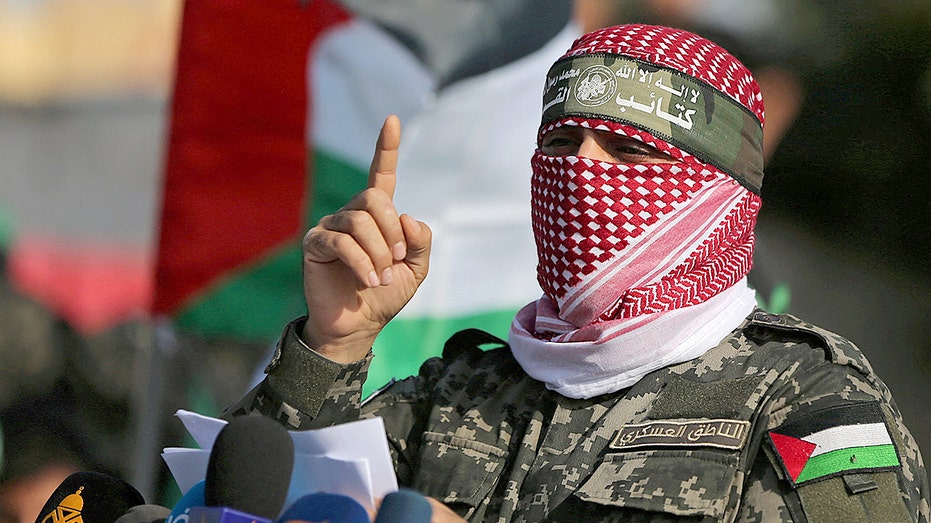
The announcement also acknowledged the death of Abu Obeida, the masked spokesperson who became the very face of Hamas’ military wing during this war. For years, his pronouncements shaped the narrative, but his true identity – Hudhayfa Samir Abdullah al-Kahlout – remained concealed until now. Israel reported his death in late August following a strike in Gaza City.
Raed Saad, a commander deeply implicated in the October 7th attacks, is also among the confirmed casualties. Described by Israeli security officials as a principal architect of the devastating incursion that claimed 1,200 lives and led to the abduction of over 250 hostages, Saad was tracked for months through Gaza’s intricate tunnel network before a targeted strike eliminated him.
The losses extend to those responsible for regional operations. Mohammed Shabanah, who led the Rafah Brigade, and Hakam al-Issa, a veteran commander and founding member of the al-Qassam Brigades, were also acknowledged as deceased. Both were reportedly killed in separate airstrikes earlier in the year, with al-Issa falling during intense fighting in Gaza City’s Sabra neighborhood.
These confirmations arrive even as a ceasefire is in effect, underscoring the relentless pressure facing the organization. The scale of these losses represents a critical turning point, potentially disrupting Hamas’ ability to coordinate and execute future operations.
The unfolding situation has drawn international attention. During a recent meeting with Israeli Prime Minister Benjamin Netanyahu, a stark warning was issued: Hamas must disarm, and quickly, or face severe repercussions. The prospect of a swift advancement in the Gaza peace plan hinges on this single, critical condition.