A shadow has fallen over Hamas’s leadership. The organization has, with stark finality, confirmed the deaths of five key commanders, a devastating blow that reshapes its command structure amidst the ongoing conflict.
Among those confirmed lost is Mohammed al-Sinwar, brother of former Hamas leader Yahya al-Sinwar. His ascent within the ranks had been swift, positioning him as a crucial figure in the group’s wartime strategy following the loss of other high-ranking officials.
Israel previously reported al-Sinwar’s death in May, attributing it to an airstrike targeting a Hamas command center beneath the European Hospital in Khan Younis. Hamas acknowledged his death occurred earlier this year, but offered no specific date.
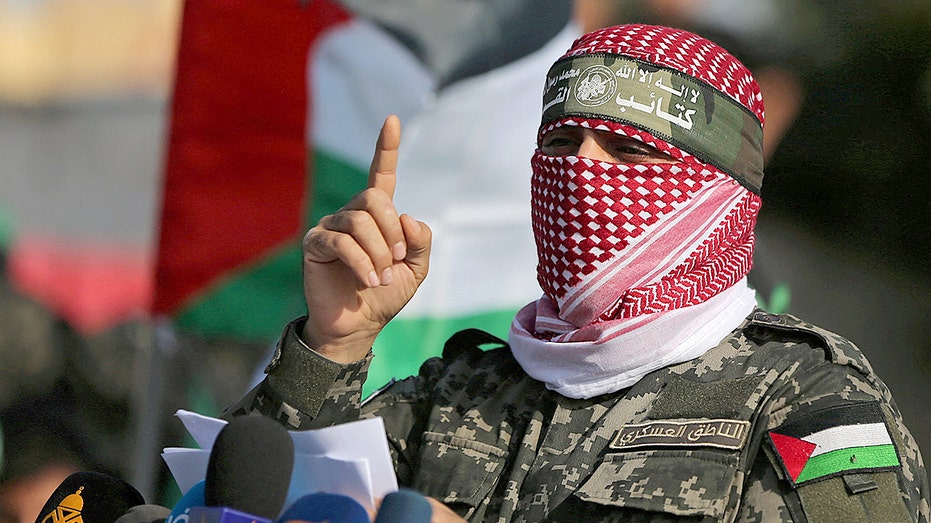
The announcement also included the confirmation of Abu Obeida’s death, a figure synonymous with Hamas’s military wing. For months, the masked spokesman served as the public face of the al-Qassam Brigades, delivering defiant messages throughout the war.
Hamas revealed Abu Obeida’s true identity for the first time: Hudhayfa Samir Abdullah al-Kahlout. Israel had announced his death in late August, following a strike in Gaza City, but this marked the first official acknowledgement from within the organization.
Raed Saad, a commander deeply involved in the planning of the October 7th attacks, is also among the confirmed fatalities. Israeli intelligence tracked his movements through Gaza’s intricate tunnel network for months before a targeted strike on December 13th.
Saad’s role in the October 7th assault, which resulted in the deaths of approximately 1,200 people and the abduction of over 250 hostages, cemented his position as a key architect of the violence. His loss represents a significant disruption to Hamas’s operational capabilities.
The confirmations extended to Mohammed Shabanah, head of the Rafah Brigade, and Hakam al-Issa, a veteran commander and founding member of the al-Qassam Brigades. Both were reportedly killed in separate Israeli airstrikes earlier in the year.
Al-Issa’s death occurred during intense fighting in Gaza City’s Sabra neighborhood, a testament to his long-standing commitment to the organization. These losses collectively represent a profound weakening of Hamas’s leadership core.
These confirmations arrived even as a ceasefire was in effect, underscoring the continued impact of prior military operations. The timing and manner of these announcements signal a shift in Hamas’s internal dynamics.
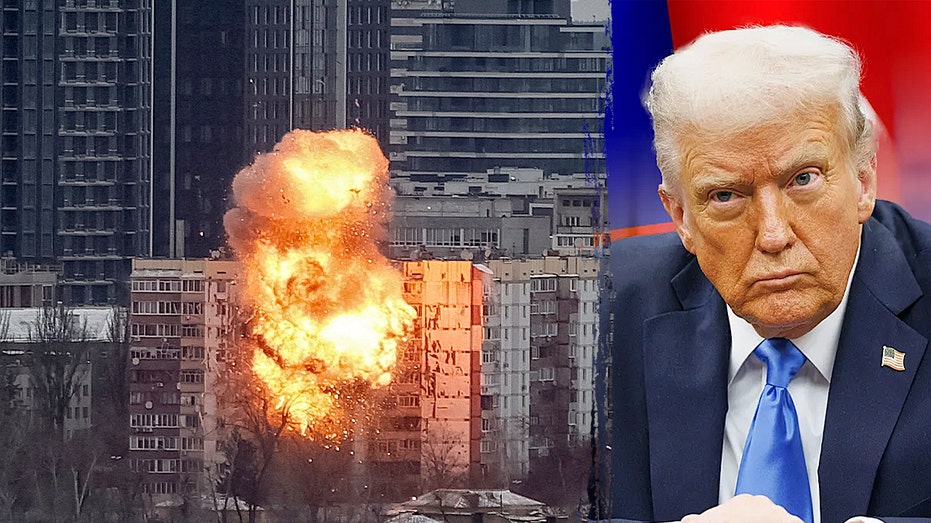
Meanwhile, during a meeting with Israeli Prime Minister Benjamin Netanyahu, a former world leader issued a stark warning. He stated Hamas must disarm within a limited timeframe or face “severe consequences,” hinting at a potential acceleration of a broader peace plan.
The prospect of a swift advancement in the Gaza peace process hinges on Hamas’s willingness to relinquish its weapons. This ultimatum adds another layer of complexity to an already volatile situation, raising the stakes for all involved.