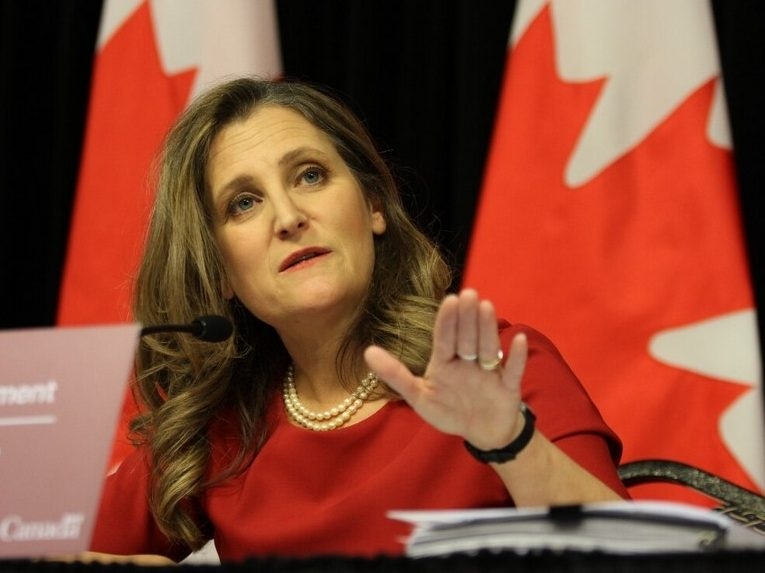
The political landscape in Ottawa is charged with debate following Chrystia Freeland’s announcement of her resignation as a Member of Parliament. The controversy stems from her simultaneous acceptance of an unpaid advisory role to Ukraine’s President Volodymyr Zelenskyy, a move that has ignited criticism from opposition parties.
Prime Minister Mark Carney addressed the situation while in Paris, stating he neither requested Freeland remain in Parliament nor objected to her decision to eventually resign. He affirmed his support for her taking on the advisory position, framing it as consistent with stepping down from her duties representing the University—Rosedale riding.
Freeland, a prominent figure who previously served as Deputy Prime Minister and Canada’s first female Finance Minister, recently concluded her work as Carney’s special representative for the reconstruction of Ukraine. The timing of her parliamentary resignation, however, has become a focal point of contention.
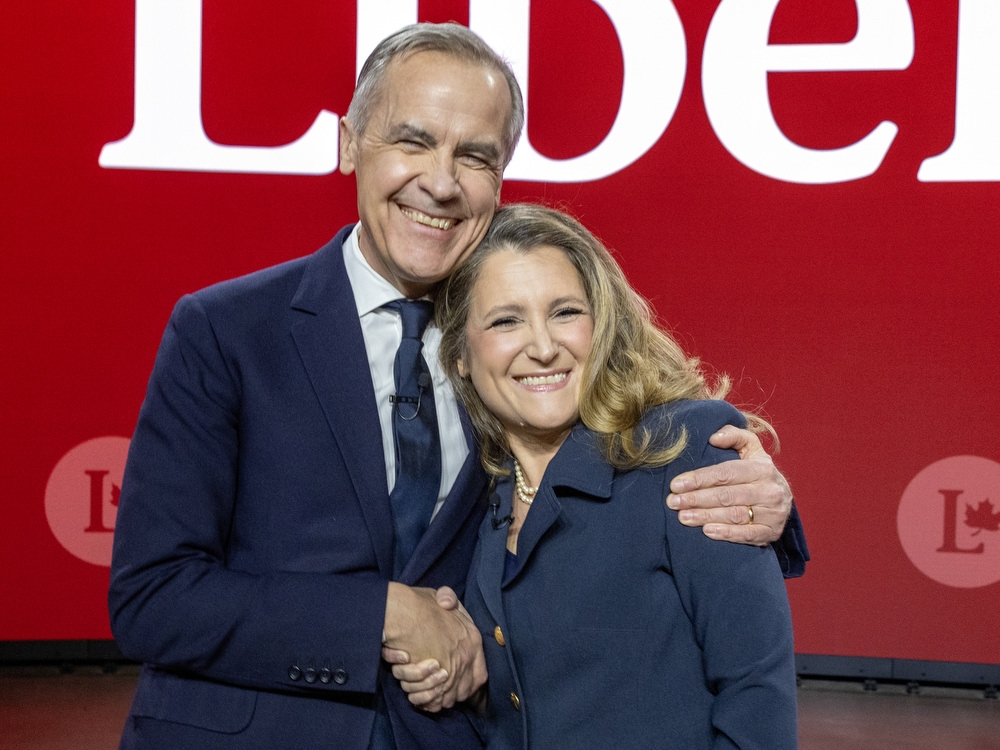
Conservative MPs have voiced strong disapproval, arguing that Freeland should have resigned her seat *before* accepting a role advising a foreign government. Concerns center on the potential conflict of interest and the question of whose interests she would prioritize while continuing to collect a parliamentary salary.
Michael Barrett, a Conservative MP, expressed “deep concern” over the optics of the situation, questioning whether serving Canadians could be considered a part-time commitment. He also raised national security concerns, wondering if Freeland would retain access to sensitive information while advising Ukraine at a high level.
The debate extends beyond partisan lines. Opposition MPs, including Michael Chong and Don Davies, echoed the sentiment that Freeland’s resignation from Parliament should have preceded her acceptance of the Ukrainian advisory role. This sequence of events has fueled accusations of ethical breaches.
Experts in government ethics have also weighed in, suggesting Freeland’s actions may violate federal ethics laws. Duff Conacher, co-founder of Democracy Watch, specifically pointed to the timing as a clear transgression.
Further complicating the matter, observers suggest Freeland’s new role provides ammunition for critics of Ukraine, allowing them to question the motivations behind any support offered by the Canadian government. The situation presents a delicate challenge for international relations.
Freeland, who has already stated she will not seek re-election, has remained silent regarding the ethical concerns raised. She is slated to assume the role of CEO at the Rhodes Trust charity in Oxford, England, on July 1st, triggering a by-election in her former riding.
The unfolding situation highlights the complexities of navigating public service and potential conflicts of interest, particularly in the context of international affairs and ongoing geopolitical tensions. It underscores the scrutiny faced by public figures when transitioning between roles of significant influence.