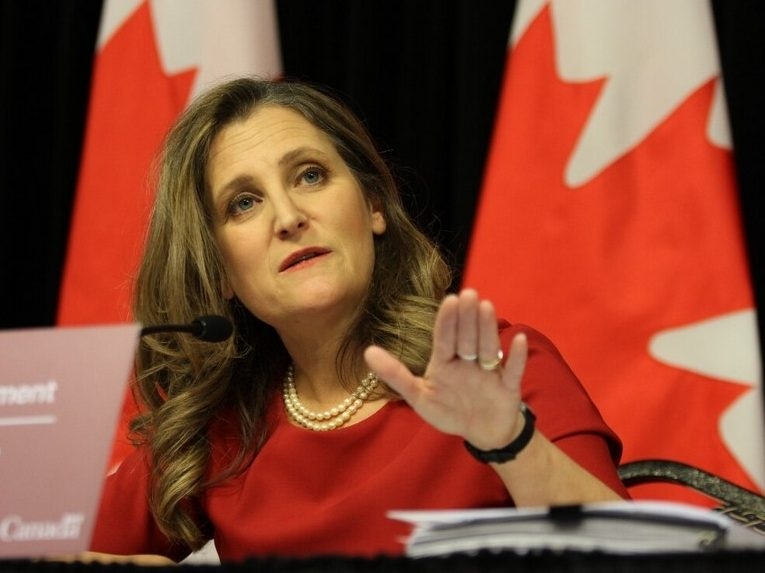
The political landscape in Ottawa crackled with controversy as Chrystia Freeland’s planned departure from Parliament ignited a firestorm of criticism. Her acceptance of an unpaid advisory role with Ukraine’s President Zelenskyy, even as she continued to serve as a Member of Parliament, drew sharp rebukes from opposition parties and raised serious ethical questions.
Prime Minister Mark Carney, speaking from the Canadian Embassy in Paris, defended Freeland’s decision, stating he neither requested she remain in office nor objected to her eventual resignation. He framed her new role as consistent with stepping down from Parliament, a position she had already agreed to leave while advising Zelenskyy on economic development.
The core of the dispute centers on the timing of Freeland’s resignation. Critics argue she should have relinquished her parliamentary seat *before* accepting a position advising a foreign government, regardless of whether it was paid. This sequence, they contend, creates a troubling perception of divided loyalties.
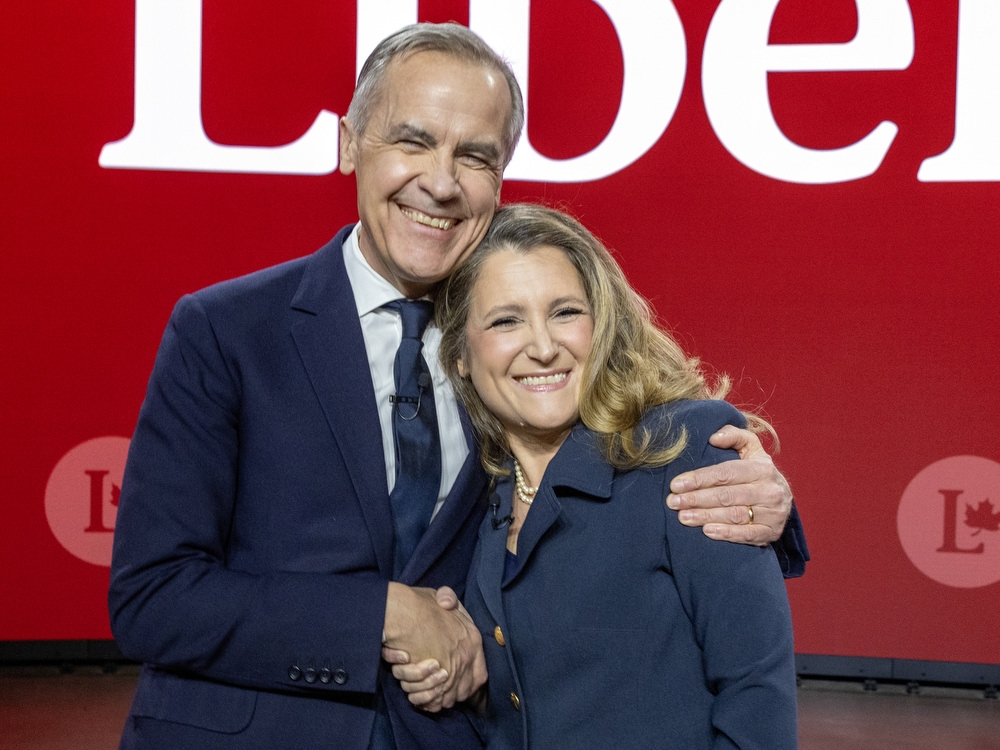
Conservative MP Michael Barrett voiced deep concern over Freeland continuing to collect a parliamentary salary while simultaneously advising Ukraine. He questioned whose interests she would prioritize and raised national security concerns, given her previous high-level security clearance and potential access to sensitive information.
The debate extends beyond simple optics. Democracy Watch co-founder Duff Conacher asserted Freeland’s delayed resignation outright violates federal ethics laws. The concern is that even an unpaid advisory role creates a conflict of interest while still holding public office.
Further complicating the situation, observers like Laryssa Waler, CEO of Henley Strategies, suggest Freeland’s involvement provides ammunition for Ukraine’s adversaries, allowing them to question the motivations behind any support offered by Canada. This adds a layer of geopolitical risk to the domestic political fallout.
Freeland, who has already announced she will not seek re-election, has remained silent on the ethical concerns raised. She is slated to assume the role of CEO at the Rhodes Trust charity in Oxford, England, on July 1st, triggering a by-election to fill her vacated seat.
The controversy unfolds against a backdrop of ongoing international efforts to secure peace in Ukraine. Carney was in Paris discussing security guarantees with allies as Ukraine considers potential peace negotiations with Russia, adding another dimension to the sensitivity of the situation.
The unfolding events leave a lingering question: can a public servant seamlessly transition to advising a foreign government, even in an unpaid capacity, without raising legitimate concerns about divided loyalties and potential conflicts of interest?